
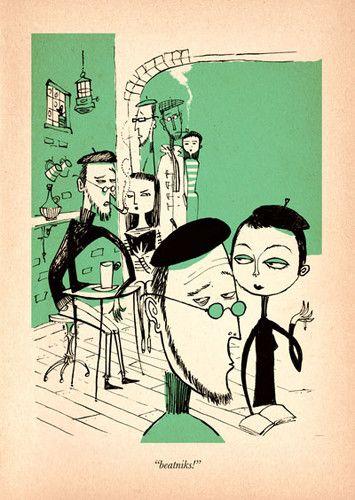
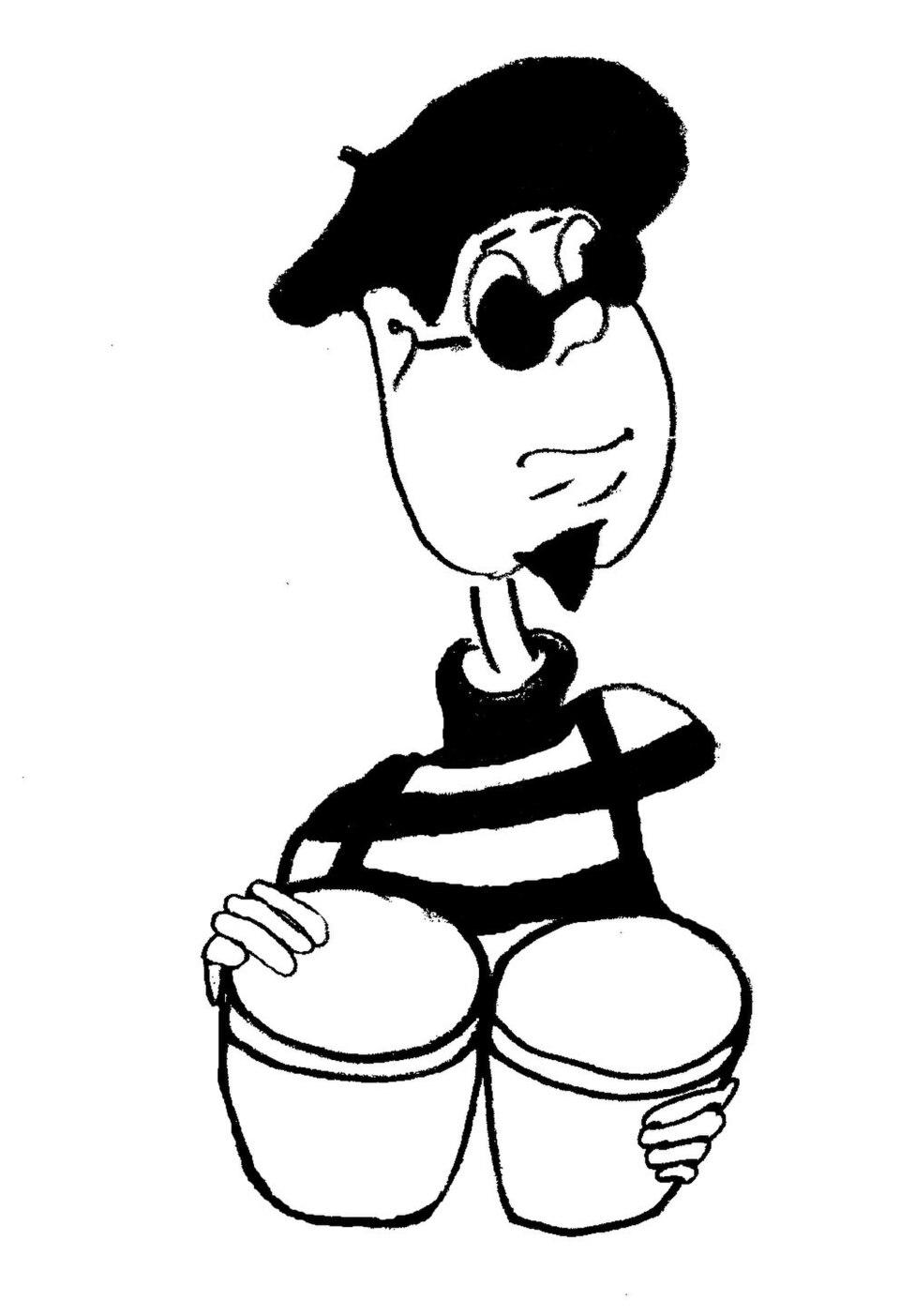
“Read this and become a cool cat, ya dig?” is something you might have heard at a poetry reading at a New York dive bar in 1959. Today, the same phrase sounds stereotypical and a little bit funny. The beatniks, as they came to be known through a term originally used rather disparagingly, were a bunch of countercultural young men and women who expressed themselves through literature, poetry, music and painting, often with themes of freedom, travel, creativity and spirituality. If you have any previous knowledge of the beatniks, then you probably imagine a man with a black beret, a pair of dark sunglasses (often worn indoors), a well-groomed goatee and a black turtleneck paired with black jeans. He’s probably attending a poetry reading in a dimly lit coffee shop together with his cohorts. While, yes, this is an overt cliché, as with many other clichés, there’s at least a kernel of truth. Behind the uniform stood an influential group of artists who wouldn’t just influence the arts, but also fashion, for generations to come.
But why? Why the uniform? Why the music? Why the poetry? The post-war years in America are often remembered as an era of extreme conservatism and conformity. Young men were leaving their suburban homes, getting in their American-made cars and going to their stable office jobs, wearing neatly pressed grey flannel suits. While this might seem like a dream to some, to others, it was a nightmare.
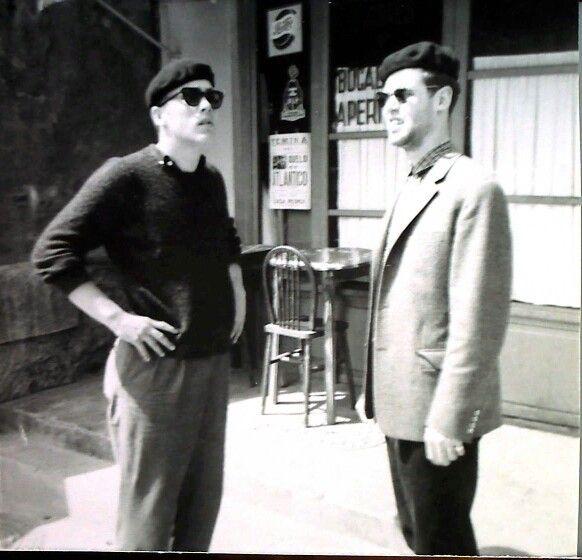
The Beats came to reject all of this, instead pursuing new experiences and freedom from the perceived security of the mid-century company-man lifestyle. Along with this came a way of dressing that might seem unremarkable to us in 2026, but stood in contrast to the more conventional expectations of 1950s America. Rather than adhering to a defined uniform, the Beats generally gravitated towards casual and functional clothing. The specific garments varied from person to person; there was no single Beat look, despite what the popular stereotype might suggest.
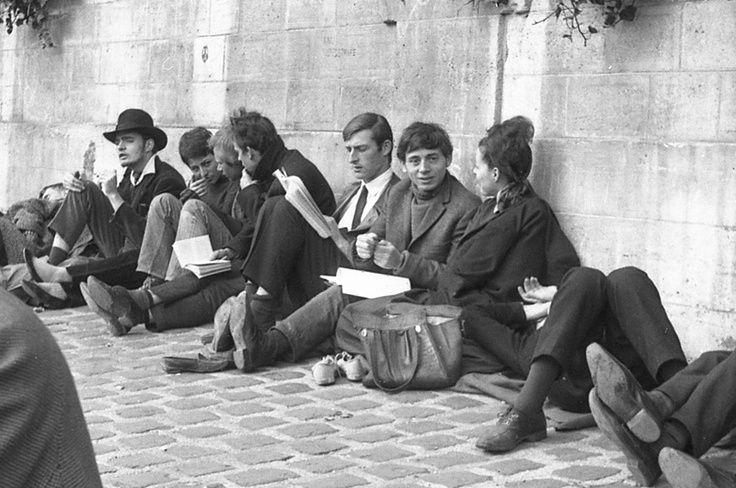
Picture a beatnik today and you’ll imagine the previously described black-turtleneck-wearing gentleman. In reality, many of the movement’s most influential people looked nothing like the stereotype that would later come to define them. Among the movement’s most influential voices were Jack Kerouac, Allen Ginsberg and William S. Burroughs. Interestingly, none of them were known to wear the Beat “uniform”. Rather, they all wore relatively typical clothing for the era. William S. Burroughs often appeared in surprisingly conventional suits and sports coats. Jack Kerouac came from a working-class family, so his style was considered more functional than fashionable. His wardrobe consisted of white T-shirts, short-sleeved shirts, jeans and loafers. Ginsberg, meanwhile, frequently dressed in ordinary shirts, jackets and knitwear.
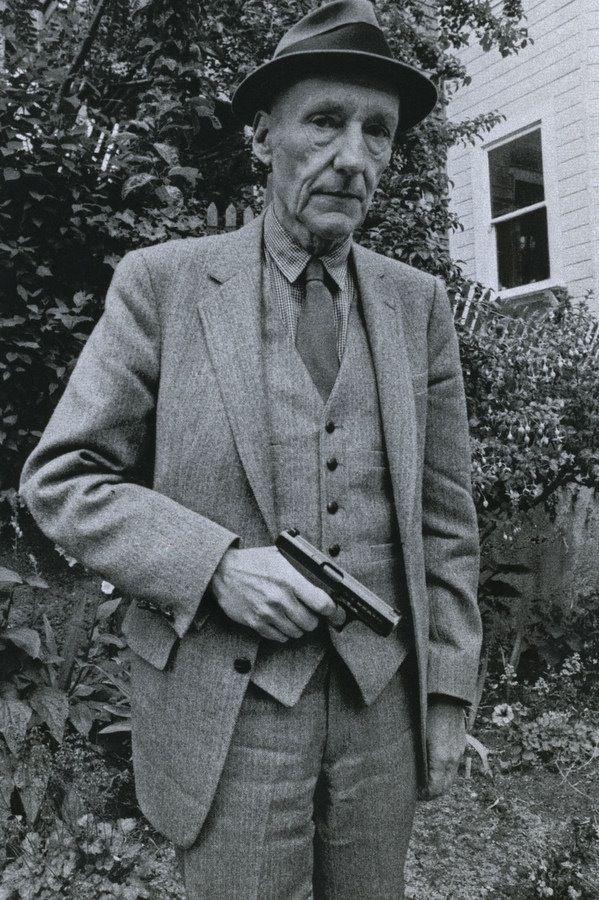
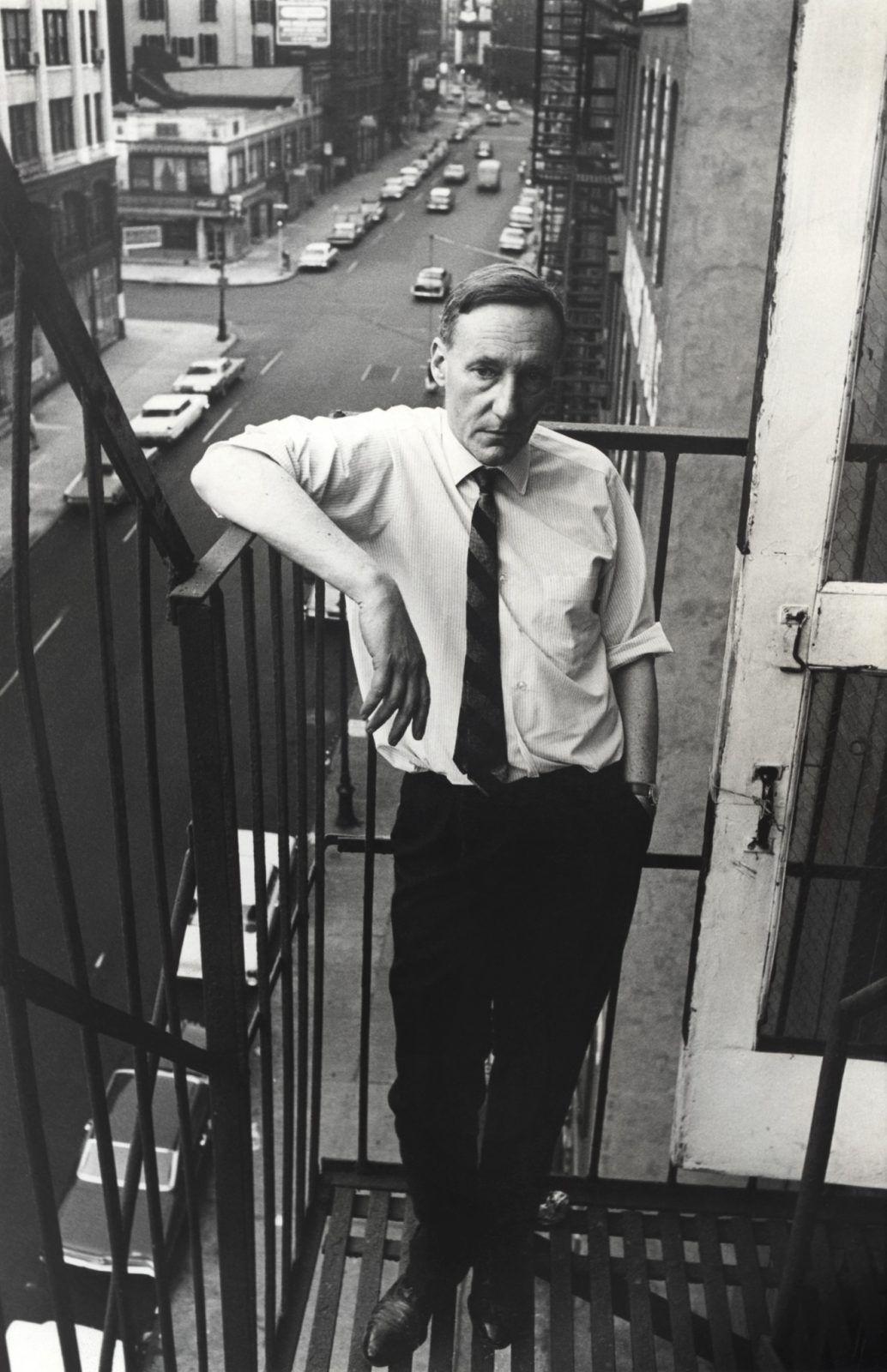
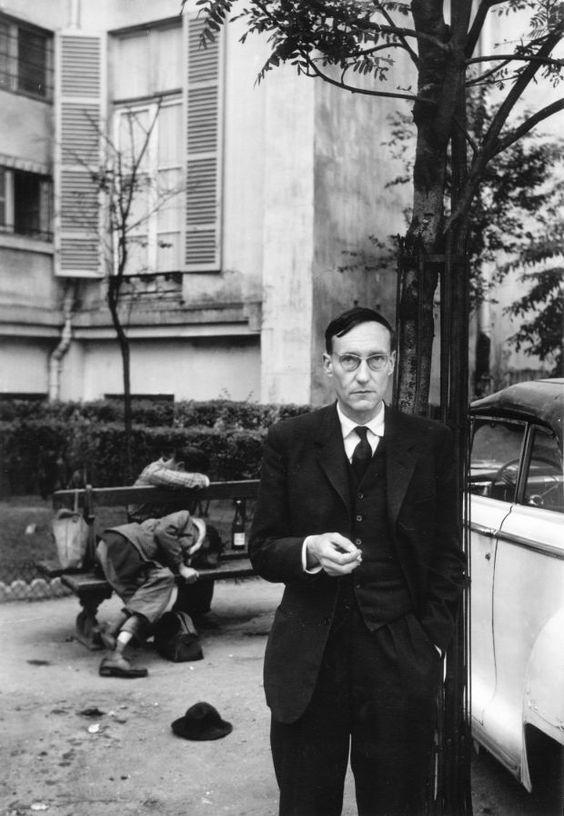
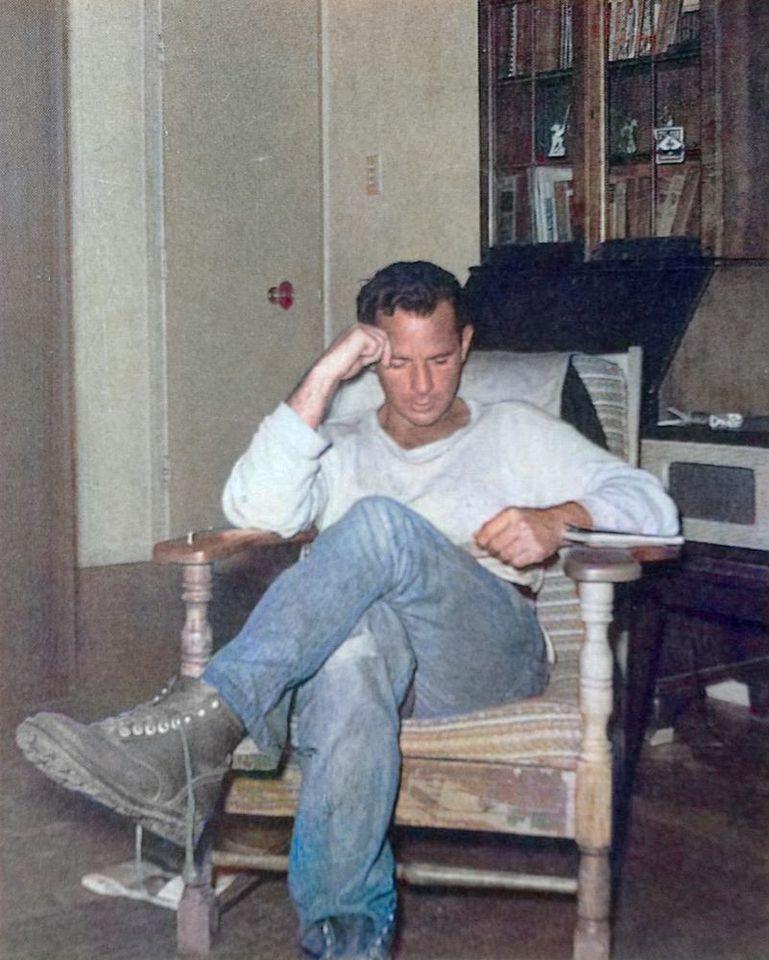
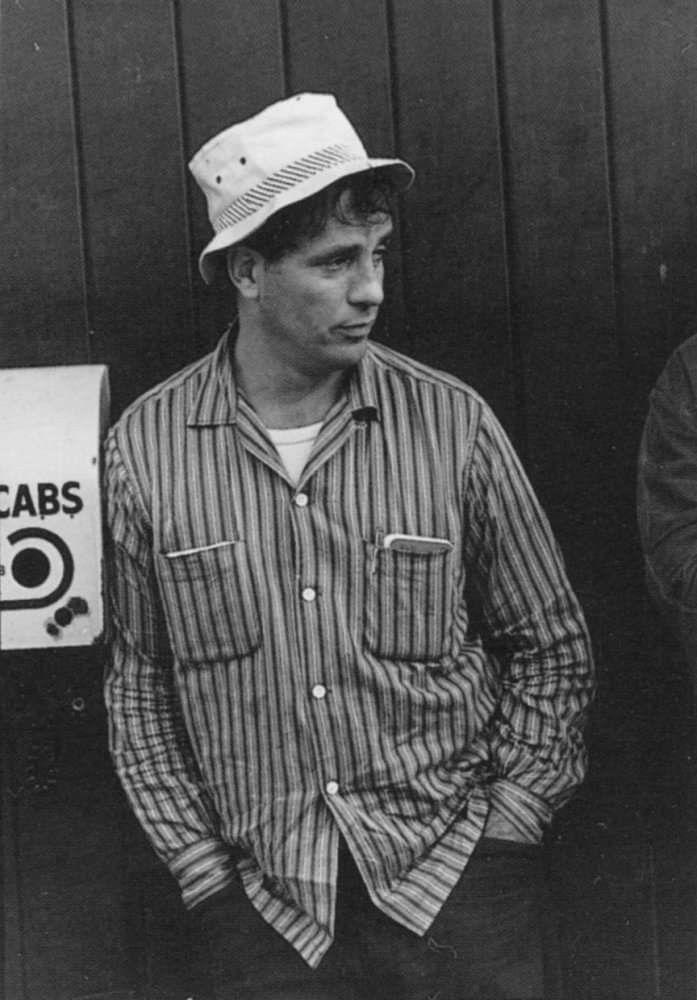
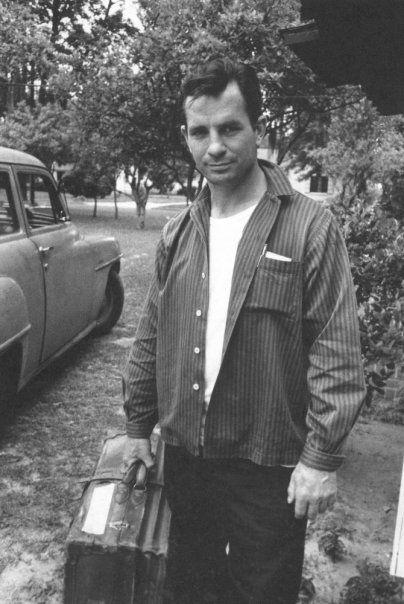
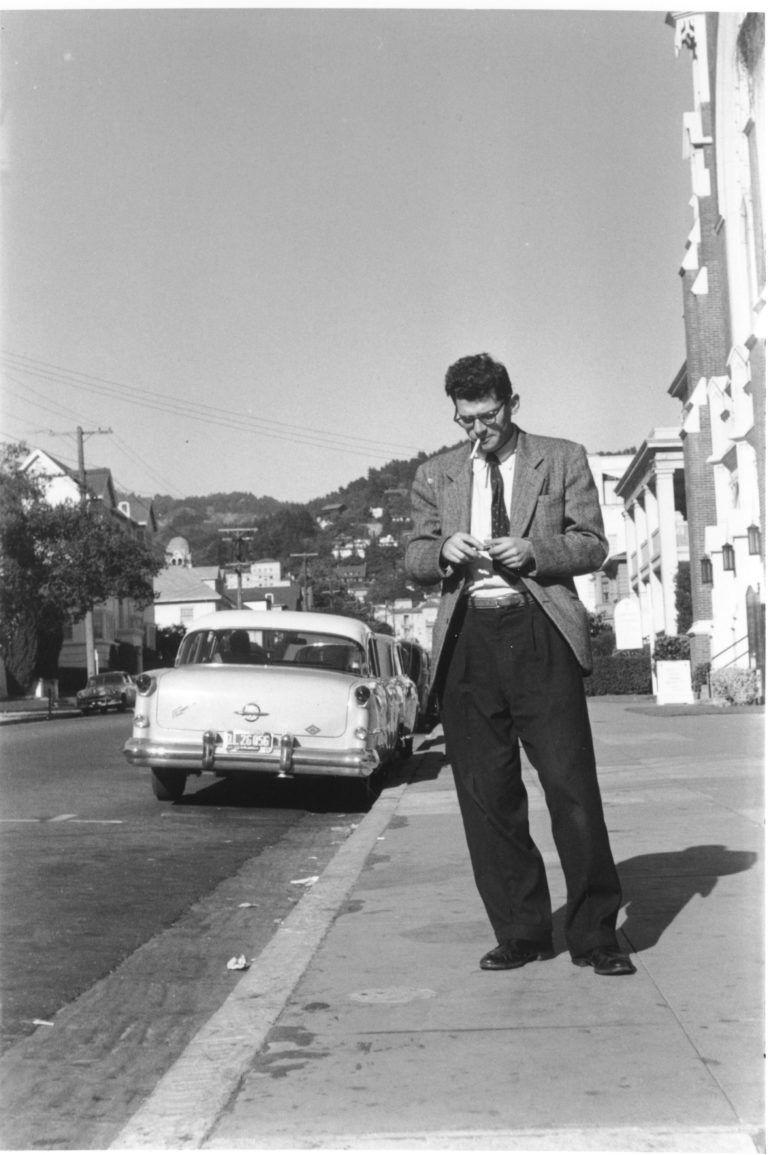
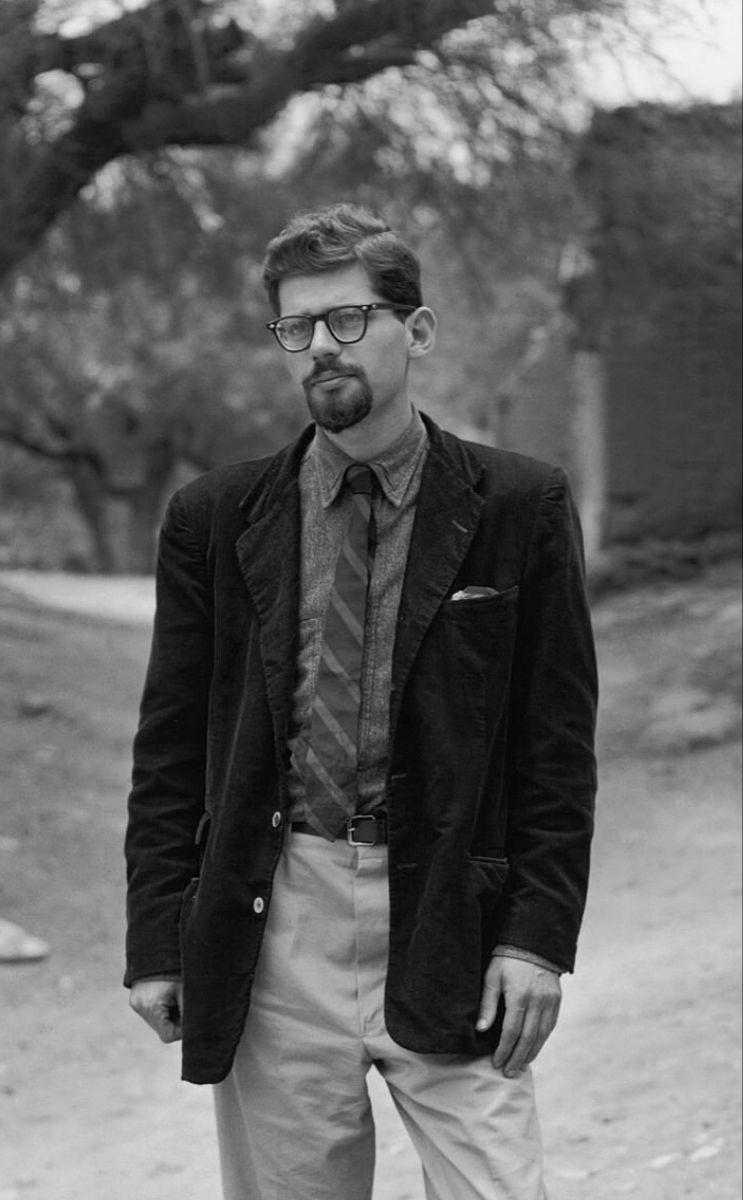
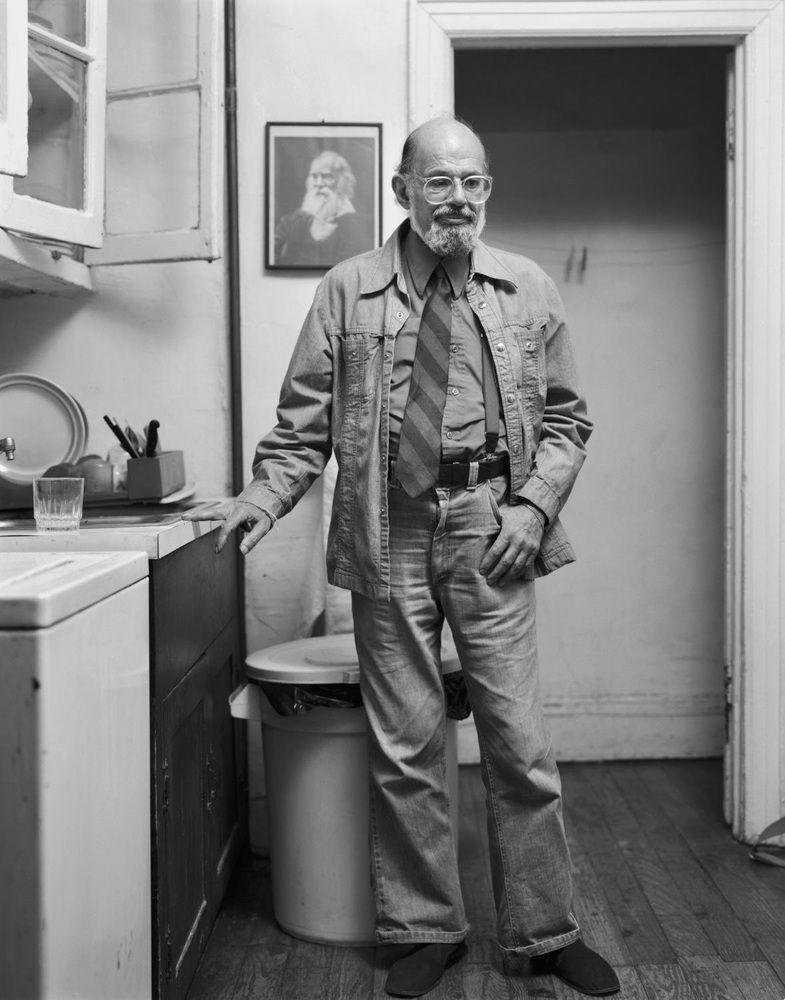
This clothing perhaps wouldn’t be considered practical in our everyday minds, but practicality is relative. They were novelists, poets and visual artists, moving in intellectual, bohemian and artistic circles. Their everyday lives didn’t necessarily require combat boots and workwear jackets, although they definitely could wear them if they wanted to. To them, a beat-up flannel suit could be just as practical, and just as Beat, provided they had the right attitude about it.
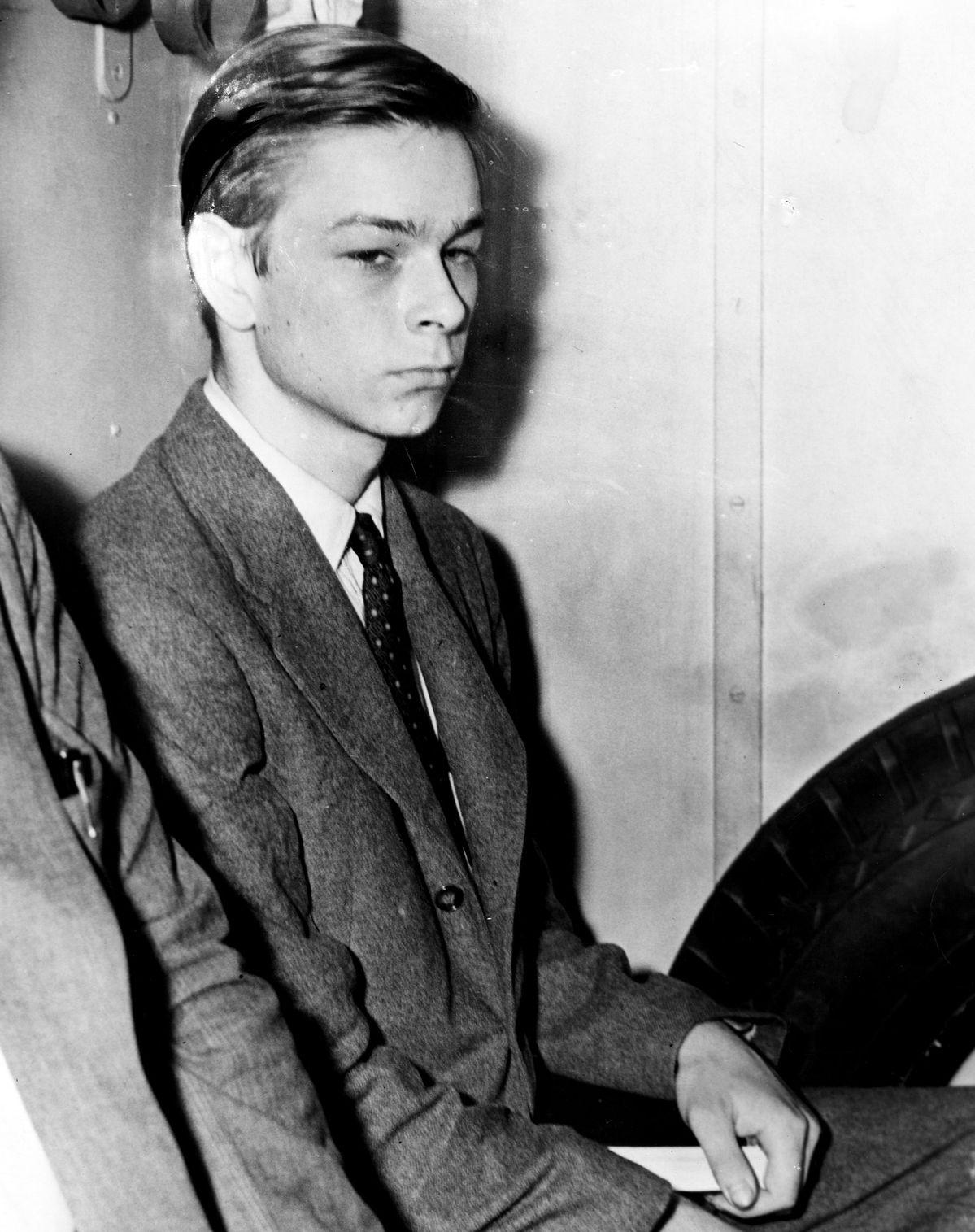
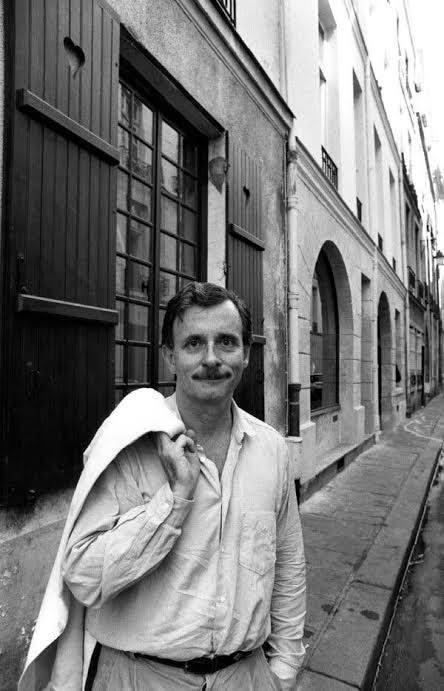
But if the Beats didn’t dress like stereotypical beatniks, where did the image come from? As the movement grew increasingly popular in the late 1950s, it also became more commercialised. Not necessarily by the Beats themselves, but by outside forces looking to make a buck off the trendy subculture. To sell the image, however, they first had to turn it into a product. And to make that product recognisable, it needed a uniform. The black turtleneck and beret were just edgy enough to seem rebellious, yet familiar enough to be marketable to the broader American public.
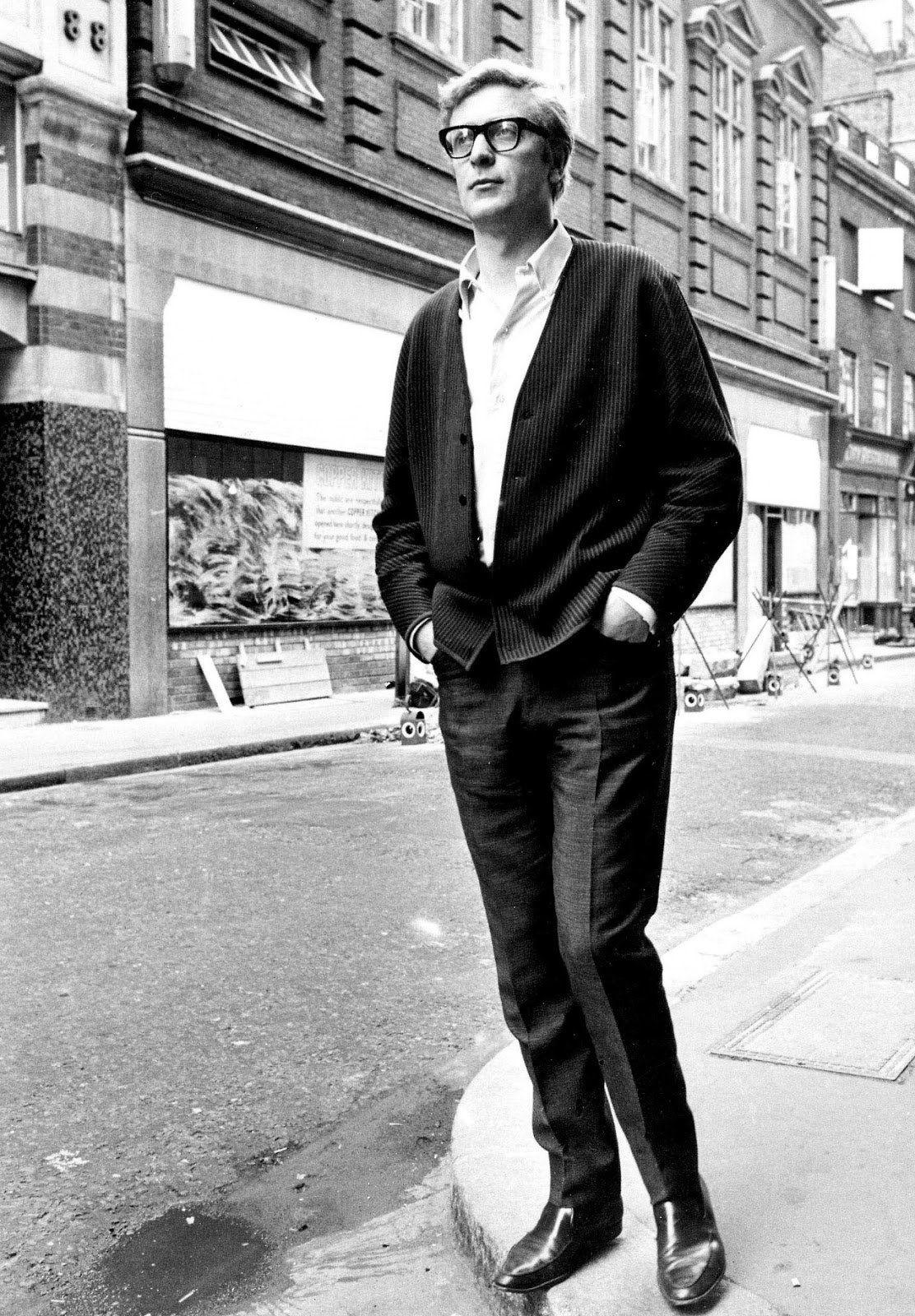
However, the image of the beatnik and their signature black turtleneck didn’t disappear when the Beat Generation faded from the spotlight. The look continued to be associated with artistic and intellectual circles, from the French existentialists and Andy Warhol’s New York art scene to, eventually, Steve Jobs. What had become a symbol of counterculture was now something of a uniform for the creative and intellectually inclined.
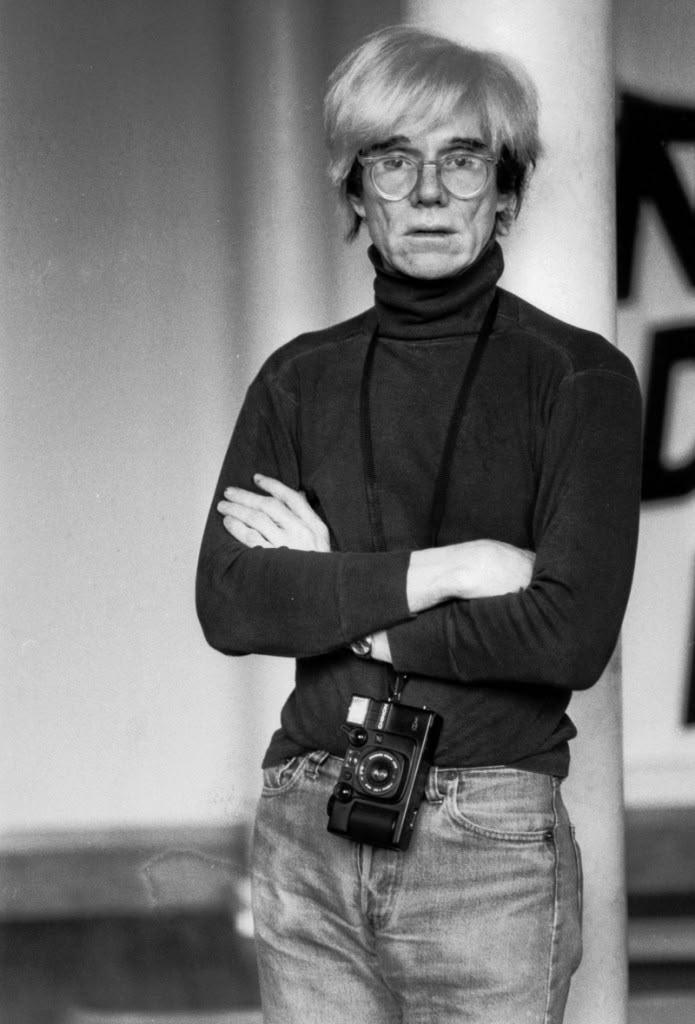
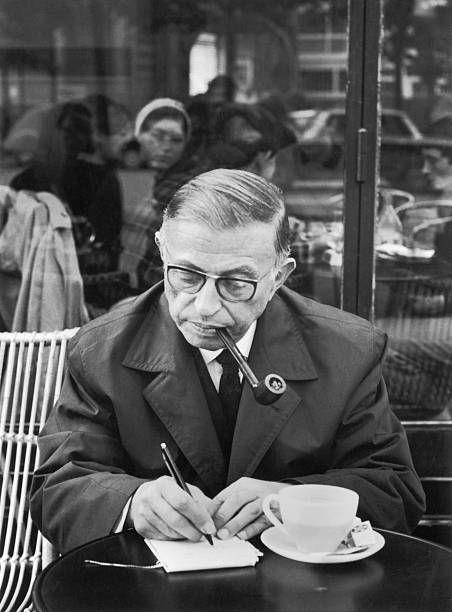

What’s the conclusion, then? Everything can be Beat and nothing is Beat at the same time?
Perhaps. The irony is that a generation which rejected conformity ended up being remembered for one of the most recognisable uniforms in fashion history. Jack Kerouac didn’t need a black turtleneck to be Beat. But somewhere along the way, the rest of us decided that he did.


Leave a Reply