
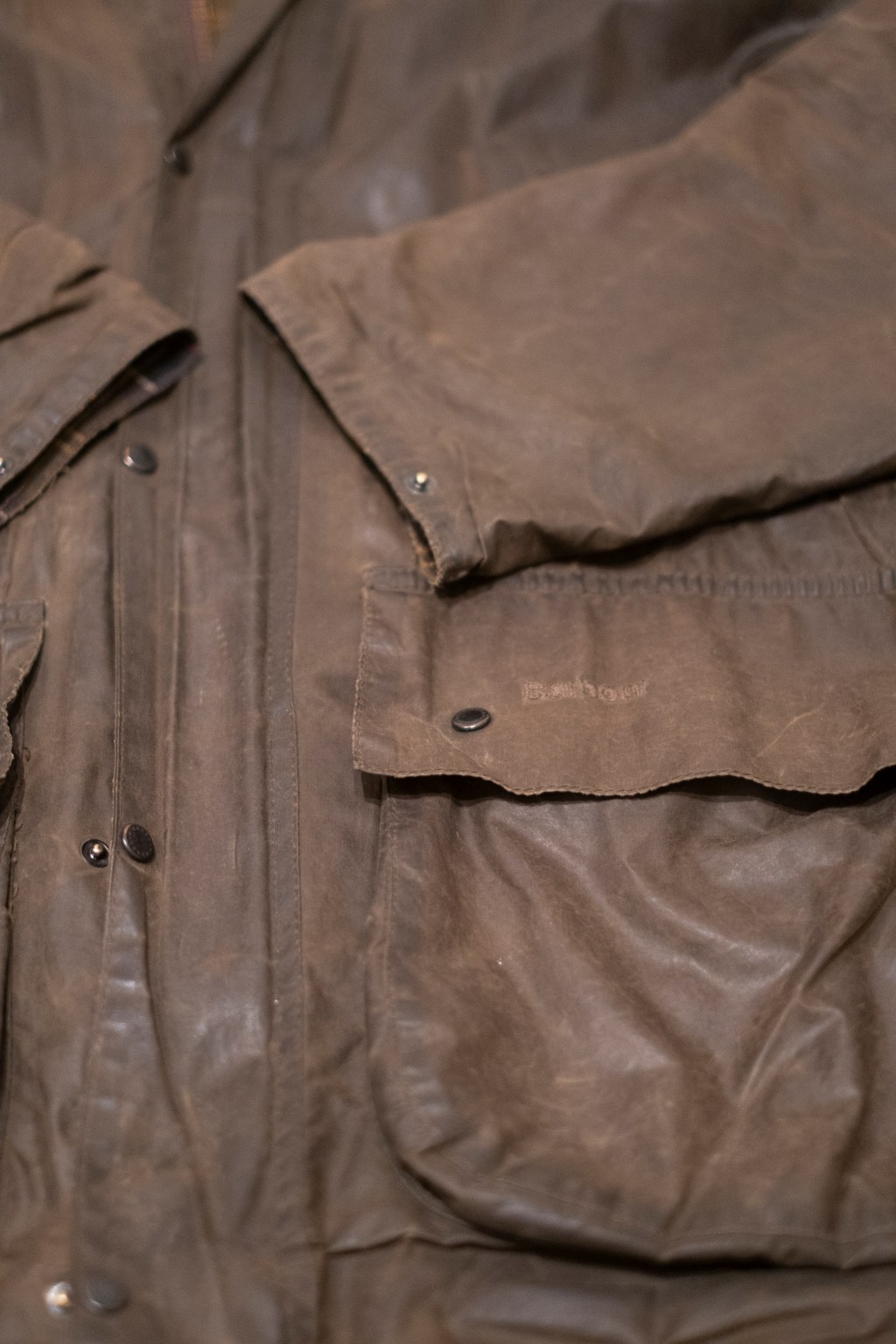
–Why good clothes often look better with age.
In the world of quality clothing, a few tears, some fading or even the occasional stain don’t automatically mean your garments are ready for the recycling bin. In fact, when a well-made piece starts showing signs of wear, it often looks better than it did when it was new.
The Nouveau Riche Approach to Clothing
Let’s start with a good reason why you don’t necessarily want all your clothes to look as though they’ve just been picked up from the shop.
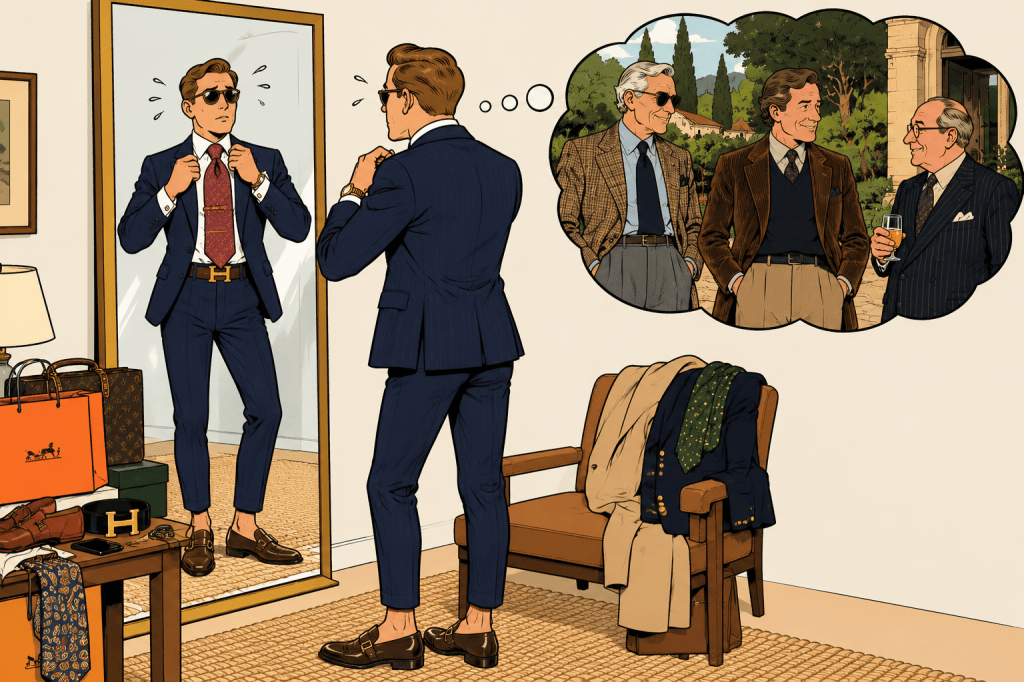
A common mistake among people who aren’t used to wearing quality clothing is the assumption that the more pristine a garment looks, the richer and more successful they’ll appear. Let’s put aside the ridiculousness of wanting to look rich and concentrate on the flaw in that assumption instead.
Looking as though you’re wearing your clothes for the very first time can give the impression that you care a little too much about your appearance. It’s as though you’ve just bought your first collection of fine clothing and are determined to keep everything looking brand new by not actually wearing it, but merely displaying it.
You can see why this approach is counterintuitive, right?
The Desired Look – Well Worn, Worn Well
So what are the advantages of buying quality clothing? One of the main reasons good clothes are worth paying more for is that they tend to age well.
As a novice, you might frown at the idea of wrinkled leather, a patched jacket, faded jeans, a linen suit that’s been slightly bleached by the sun or a pair of shoes with a few scuffs.
The difference between looking comfortably well-dressed and looking like a slob largely comes down to two things: quality and maintenance.
The Materials
Just because a garment comes with a high price tag doesn’t necessarily mean it’s high quality. It might look flashy when new, only to age like old milk because the materials are subpar.
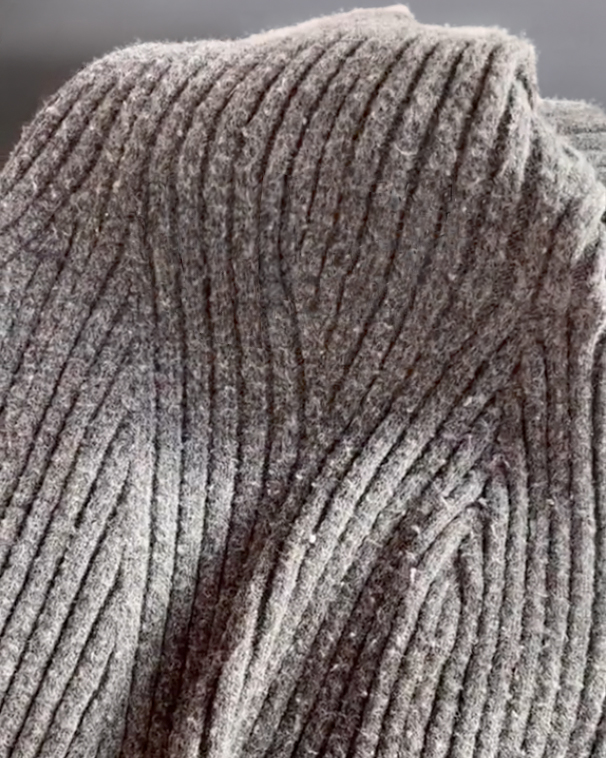
Quality materials, on the other hand, can develop a patina that actually improves their appearance.
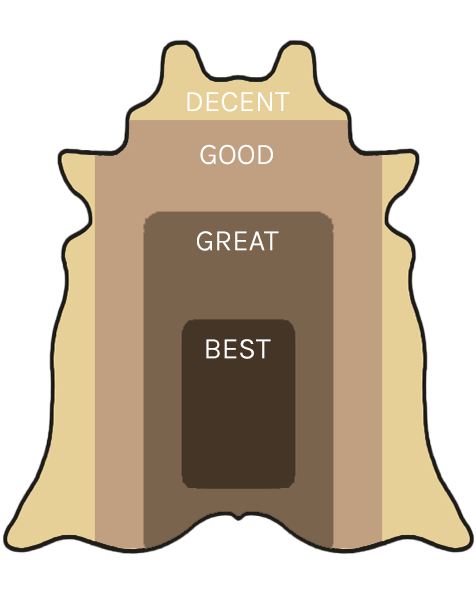
Take leather, for example. Good shoemakers carefully select hides for their strength, consistency and appearance. Shell cordovan, made from a dense layer of connective tissue found in a horse’s hindquarters, is particularly prized for its durability and the distinctive way it ages.
When it comes to clothing, natural fibres are often a good place to start. But there’s a considerable difference in quality even between fibres from the same plant or animal.
We won’t go into all the technicalities here, but certain characteristics can indicate quality, such as fibre length (longer is often better), the quality of the yarn, the weave and the finishing. Thread count can also be relevant, although a higher number doesn’t automatically mean a better fabric.
If you want to be confident you’re buying quality, choose a trusted platform or shop. Hint, hint.
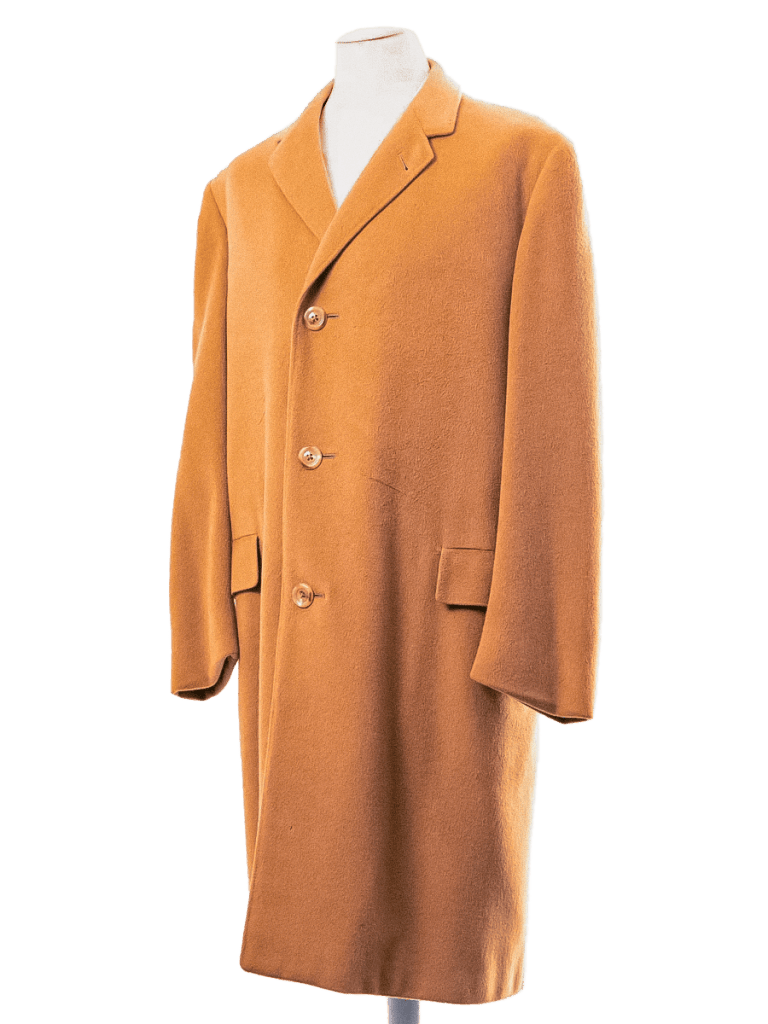
The Look
The reason we wear the clothes we do is, of course, closely connected to the aesthetic qualities we appreciate. We often say that when in doubt, look to the icons for inspiration. And that’s certainly true when it comes to the art of looking well worn without looking worn out.

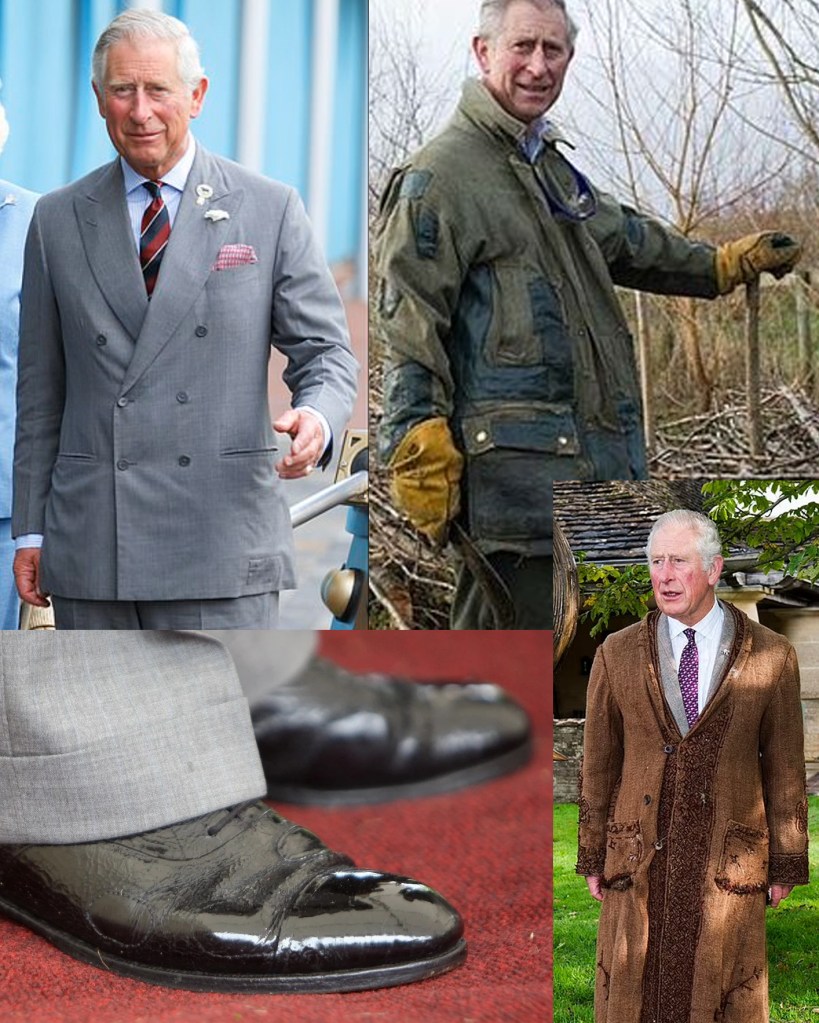

The Comfort of Familiarity
There’s something interesting about the way clothes change once we’ve stopped being conscious of wearing them. A new jacket might make us stand a little straighter, check our reflection more often or think twice before sitting down. Ten years later, the same jacket might be the first thing we reach for without giving it a thought.
By then, the fabric has softened, the pockets have acquired their own habits and the garment has adapted to the person wearing it. What might look like imperfections to someone else have become part of its character.
Perhaps that’s why some of the best-dressed men seem almost indifferent to their clothes. Not because they don’t care, but because they’ve had enough time to become comfortable in them.


Leave a Reply