
The Unsung Style Hero of La Nouvelle Vague
Jean-Pierre Léaud: The Sensitive Style Icon
Forget the macho swagger of Delon and Belmondo. Jean-Pierre Léaud offered another vision of French style. Softer, intellectual and effortless.
Usually, when iconic French actors of the 1960s and ’70s get brought up, it’s almost exclusively Alain Delon and, to some extent, Jean-Paul Belmondo. But one who I rarely see brought up is Jean-Pierre Léaud, who most famously starred as the titular Antoine Doinel in François Truffaut’s series The Adventures of Antoine Doinel.
The suite starts with The 400 Blows (1959), starring a 14-year-old Léaud, a film which is also credited with kicking off the French New Wave in cinema. This is followed by the short film Antoine et Colette (1962), which follows a 17-year-old Antoine, Stolen Kisses (1968), where he has just been discharged from military service; Bed and Board (1970), about his life as a newlywed, and finally Love on the Run (1979), where he ends up as a divorcé in his mid-30s.
Léaud also stars in Jean-Luc Godard’s Masculin Féminin (1966) and La Chinoise (1967), so he was truly the darling of the French New Wave. His appearances in these films will form the basis of this article’s mission to elevate Léaud and bring him into the light as a source of style inspiration. Luckily, as we’re entering autumn and winter, most of them seem to take place during the colder parts of the year.
Léaud later appeared as himself in Bernardo Bertolucci’s ode to cinema and the New Wave, The Dreamers (2003), during protests against the firing of Cinémathèque Française chief Henri Langlois by the French Minister of Culture.
The Young Antoine
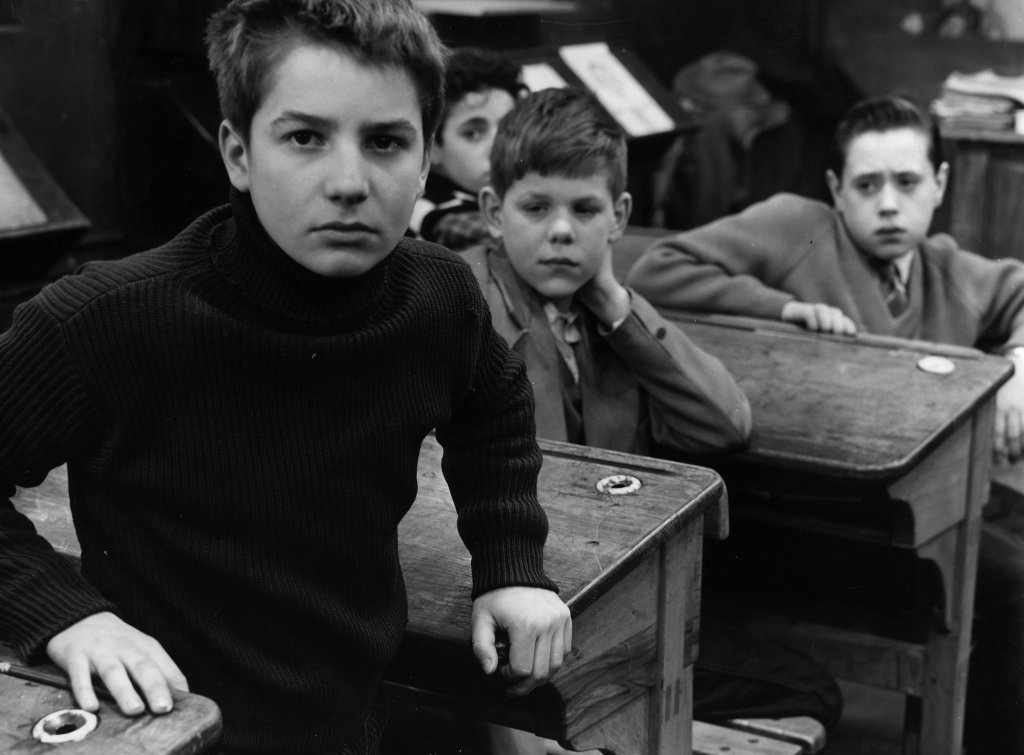
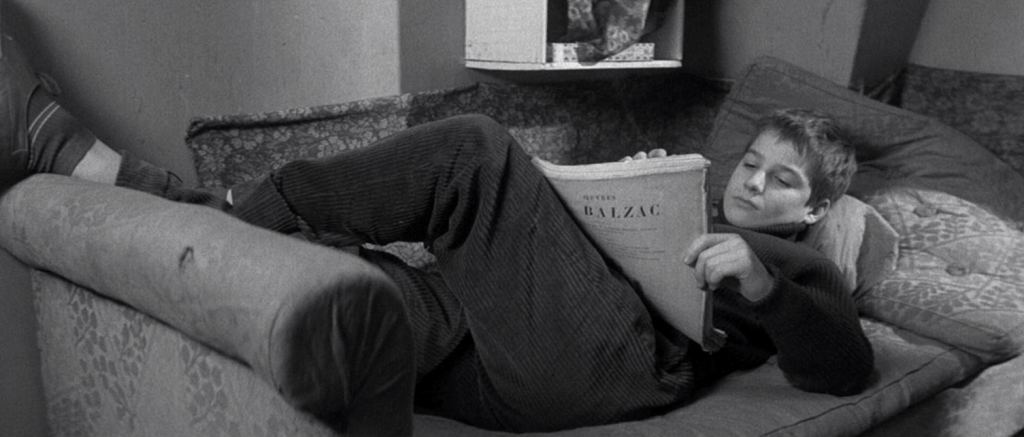
In The 400 Blows, we mostly see Léaud dressed in a dark, thick, ribbed turtleneck jumper and corduroy trousers. The perfect soft and comfortable autumn outfit, which would usually convey sophistication (especially if you, too, read a large book on Honoré de Balzac). In the film, though, the pieces are more likely chosen out of necessity for their warmth and durability in the cold old buildings of the Doinel family’s apartment and Antoine’s school.
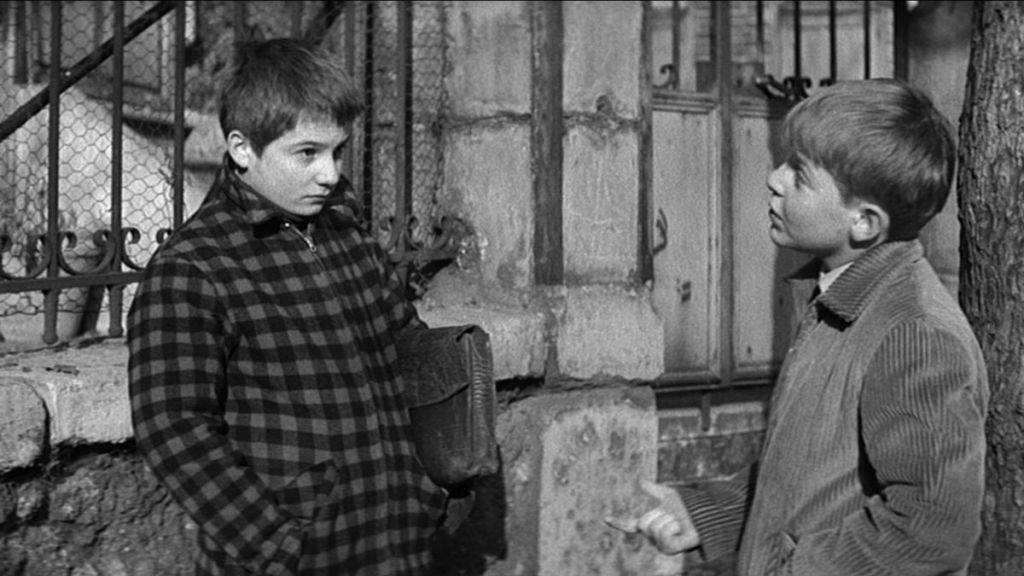
When Antoine steps out onto the Parisian streets, he adds a gingham-checked wool jacket with a perfect collar to flip up and protect his neck against the cold winds, and two front pockets to hide his hands in. Since the film is in black and white, we don’t really know the colour combination of this jacket, but it reminded me of the classic black-and-red gingham often seen in lumberjack shirts and jackets. His best friend René also wears a really cool corduroy jacket.
A Touch of Ivy
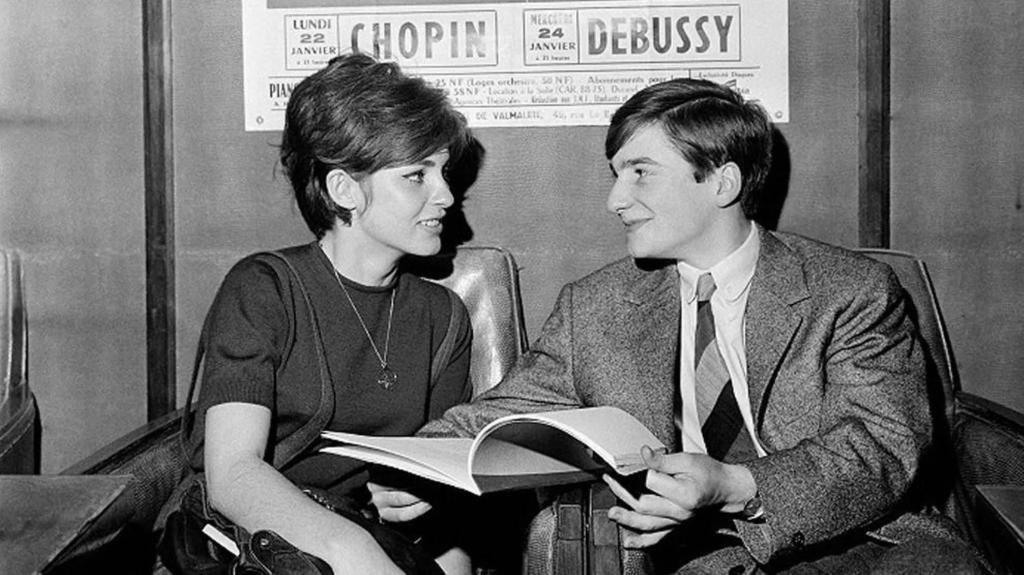
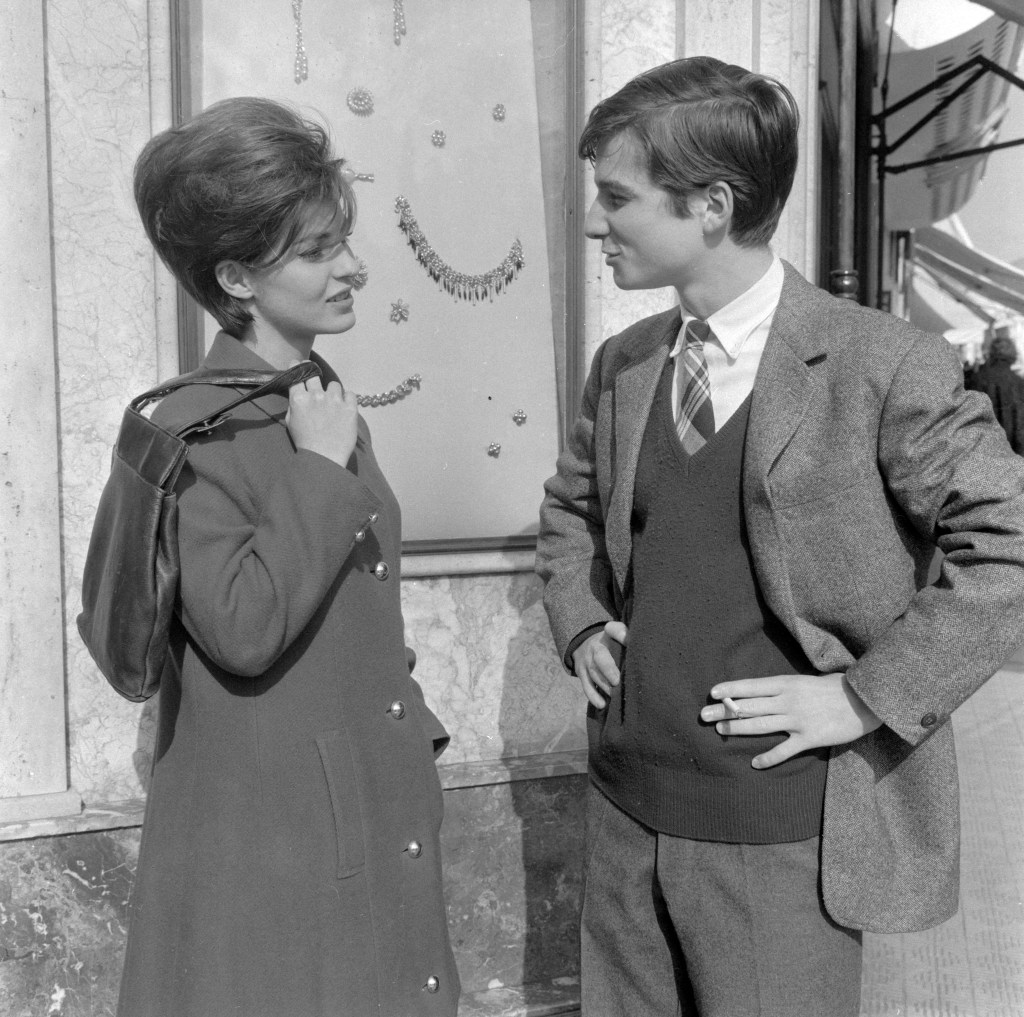
When we see Antoine again in Antoine et Colette, he wears quite an Ivy-looking outfit with what I’m guessing is a grey flannel jacket, a wide diagonally striped tie, a club collar button-down shirt and dark wool trousers.
The textures in this outfit are what I think really make it work. The tie looks like silk with a somewhat rougher surface, which makes it play really well with the texture of the flannel jacket. If it was just smooth and shiny, it would seem off and too formal for the rest of the outfit.
The star of the show here is definitely the shirt, in my opinion. The button-down club collar gives it an edge, making it stand out just the right amount, and at the time it would have given Antoine’s outfit a more youthful feeling. Appropriate for a 17-year-old who works and earns his own money and can start to dress more according to his own will rather than that of his parents and what they can afford.
The Deep V
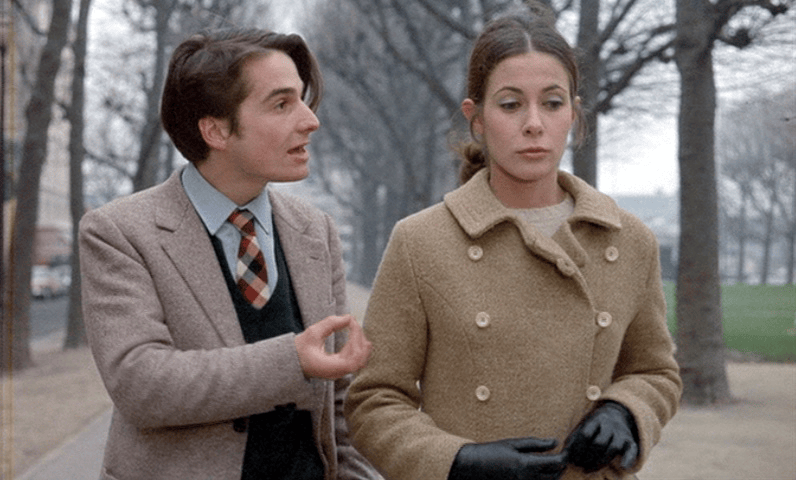
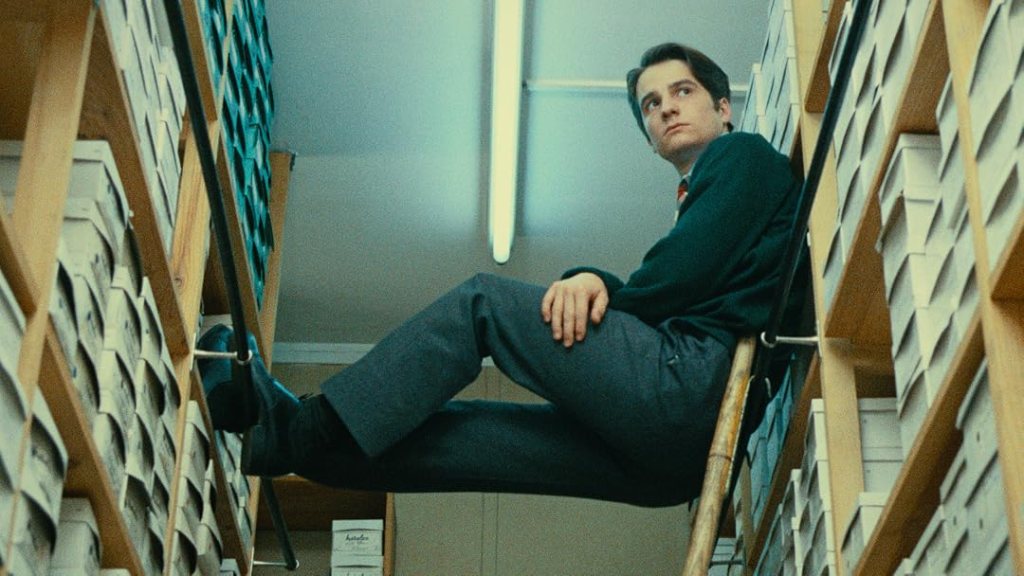
In Stolen Kisses, we get our first look at Antoine in colour and a better look at his clothes in another great autumnal get-up. What I’m particularly drawn to is the dark bottle-green V-neck jumper with a very deep V.
A big issue, in my opinion, with a lot of modern V-necks is that the V itself is cut way too high. This is an issue particularly when wearing a tie, because you pretty much only see the knot. With a deeper V, both the shirt and the tie get to take their rightful place in the outfit. The deep V also follows the jacket lapels, which creates more harmonious lines.
The dark green colour of the jumper, along with the great charcoal flannel trousers and black shoes, really anchors the outfit and forms a strong foundation for the lighter colours of the jacket, shirt and tie.
Into the Seventies
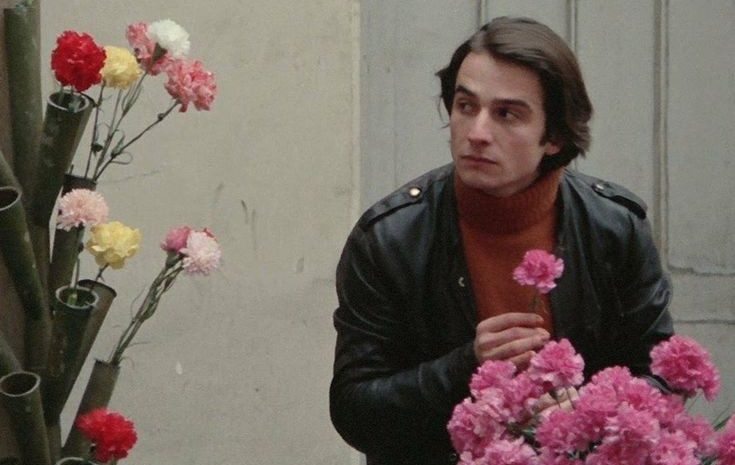
Moving on to Bed and Board, Antoine is seen in the courtyard of his building watering flowers in a fantastic rust-orange turtleneck in a brushed Shetland-type wool, with a black leather jacket on top and khaki flared corduroy trousers.
The leather jacket is collarless, with epaulettes and a snap-button closure. It’s a very similar outfit to what he wore in The 400 Blows, but with an updated and contemporary colour palette and silhouette for 1970.
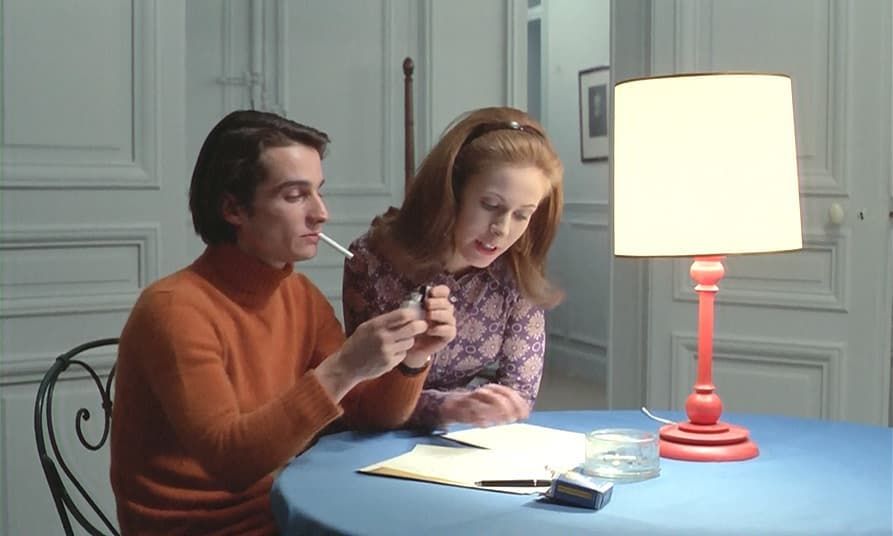
I feel like this outfit certainly cements the film as taking place in the 1970s, making it a great one to look to for inspiration since that period is having a moment in classic menswear. It’s also definitely one of the “cooler” and more casual outfits he wears in this series of films, so it’s perfect if you want to do something different from the shirt, jacket and tie looks.
The Young Intellectual
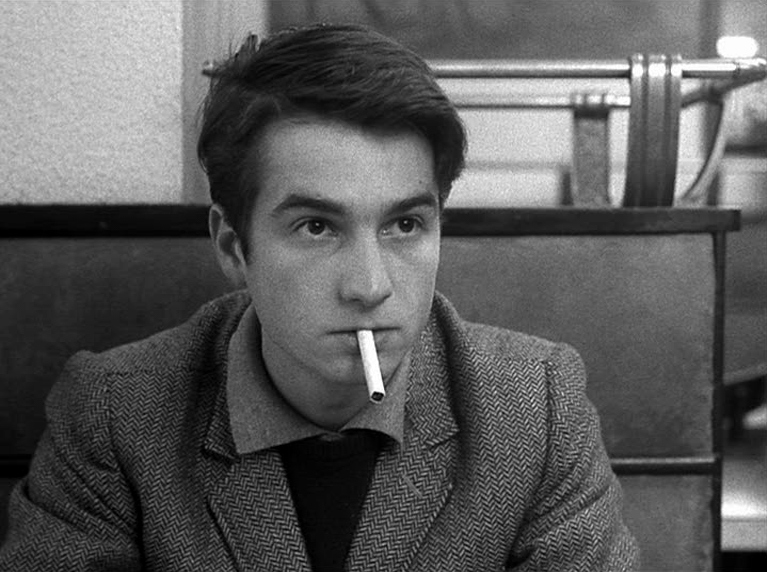
Now, getting away from The Adventures of Antoine Doinel and moving on to one of my favourite films of all time, Jean-Luc Godard’s Masculin Féminin.
In this film, Léaud plays a young man named Paul and wears pretty much the same outfit throughout the whole film: dark trousers, a black crewneck jumper, a soft polo shirt and a grey herringbone sport coat.
The dark colours, and the herringbone jacket especially, make it the perfect outfit for a young, Bach-loving intellectual trying to make sense of the rapidly changing and commercialised world around him.
I think this outfit is also a great example of how to wear tailoring casually and in a relaxed and informal way, which I love. It’s also a look imitated by Wes Anderson for Timothée Chalamet’s role as the revolutionary Zeffirelli in The French Dispatch.
Make It Your Own
As always, when it comes to looking at other people for inspiration, you don’t have to own the exact pieces seen in the photos. Look instead at the colours, materials and textures worn. That’s where the magic is. Then pick and choose what speaks to you and do your own thing with it.
To conclude, I find Jean-Pierre Léaud a great alternative style icon for those of us who never really identified with the more macho style icons of mid-century cinema and instead wanted something softer.
Truly an icon for the sensitive young man.
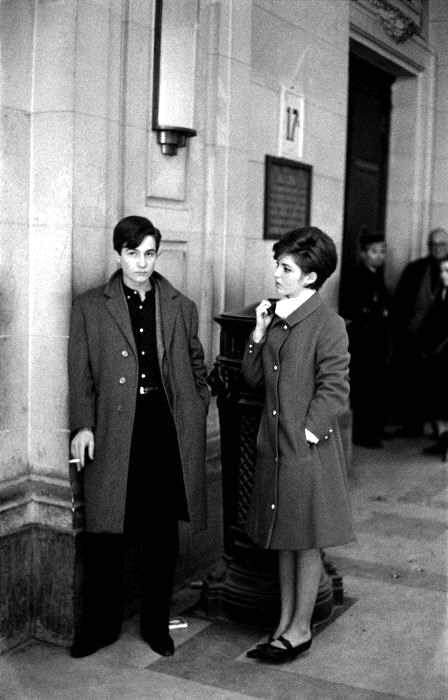
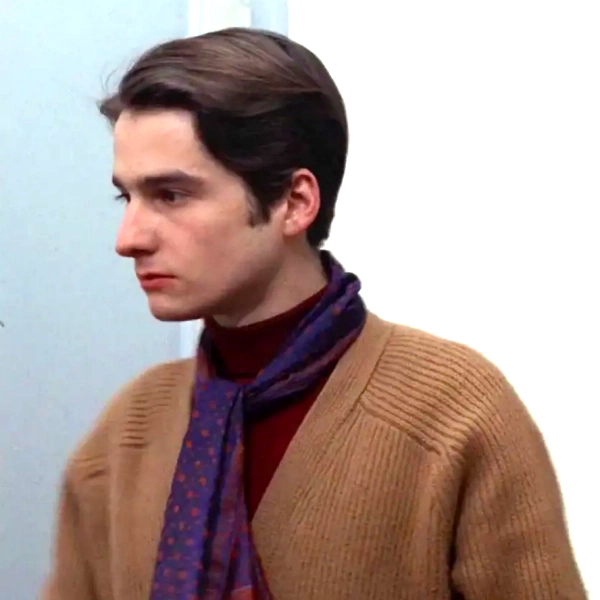
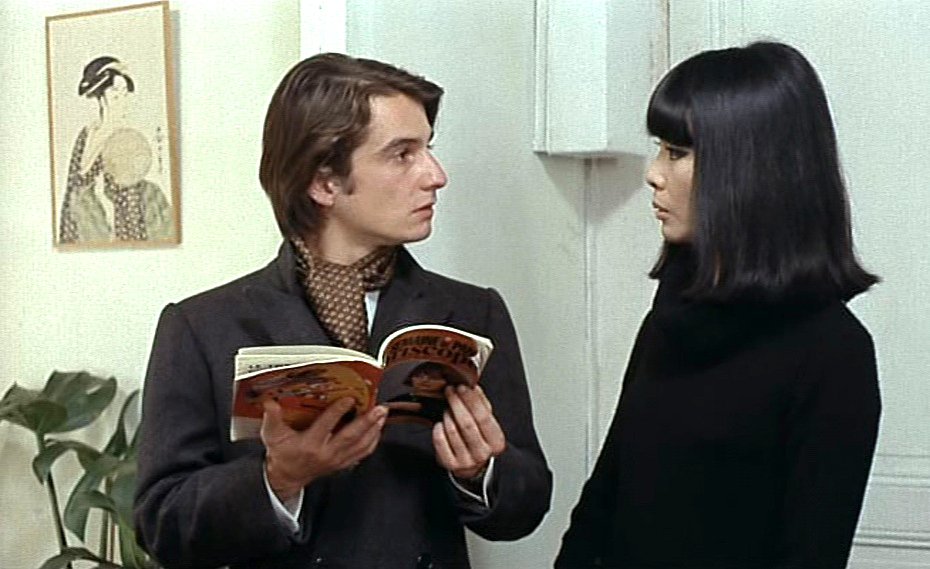
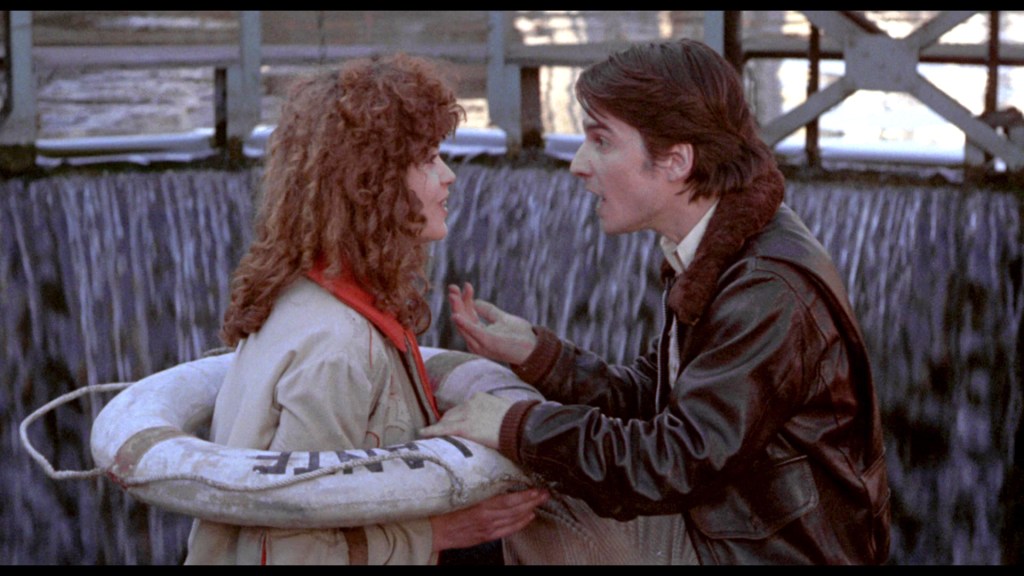
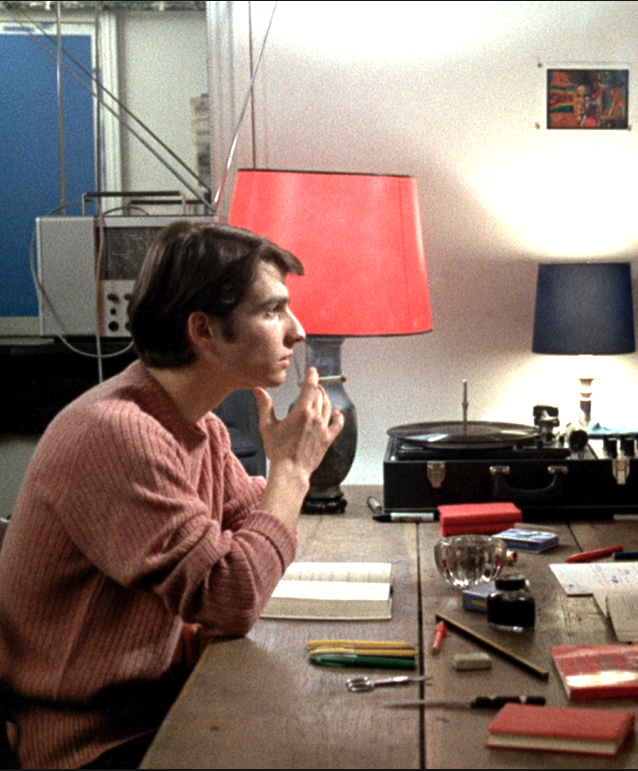
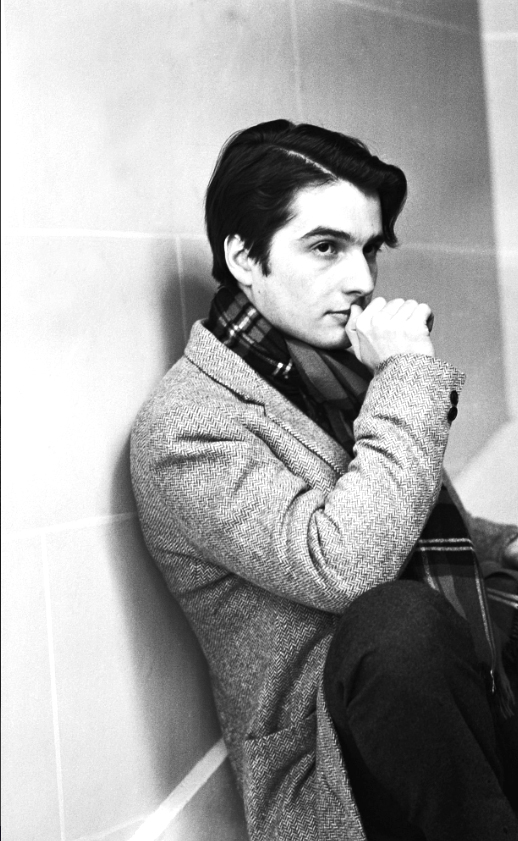
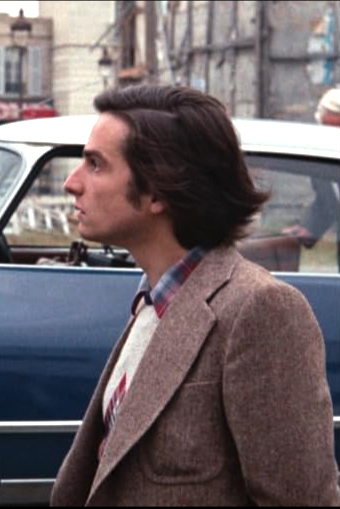
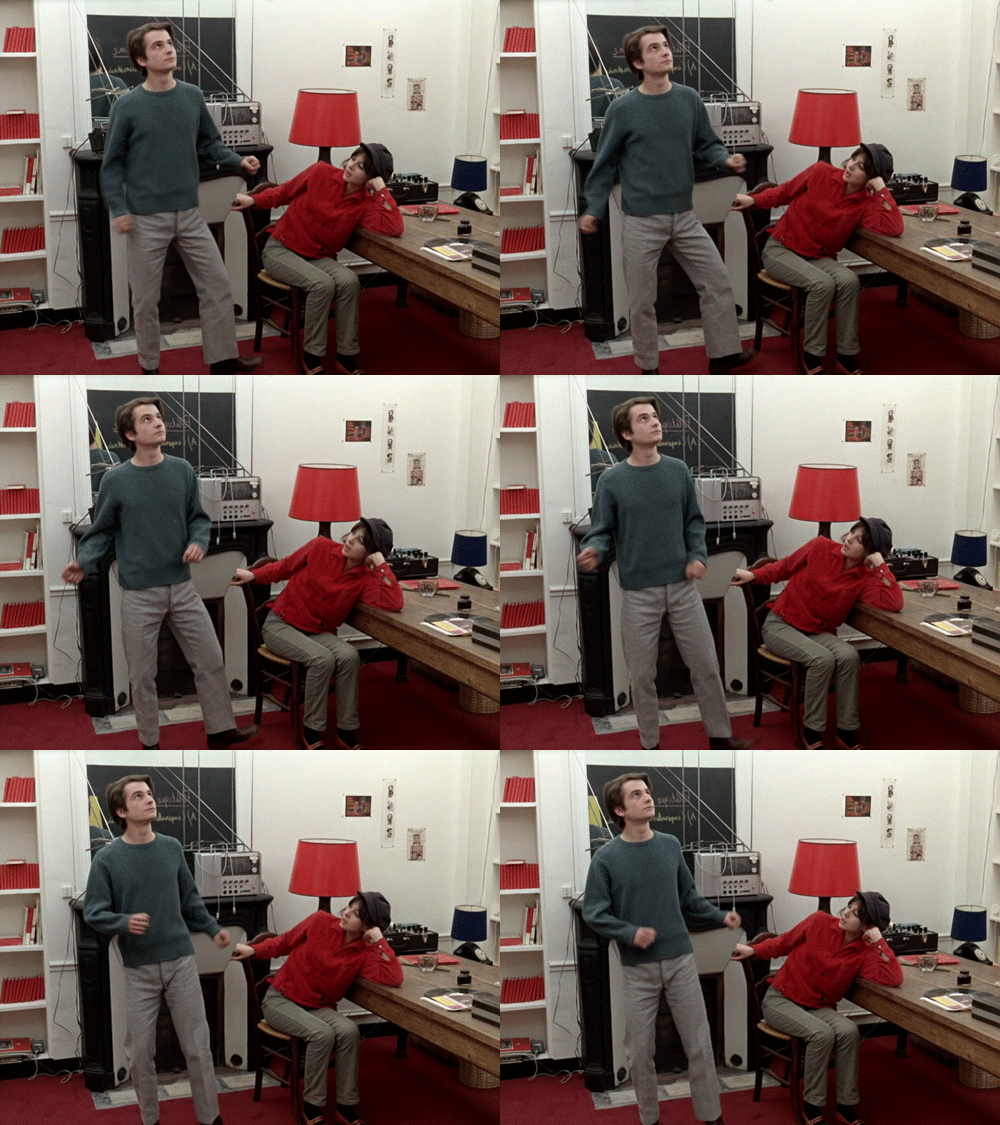
P.S. Down below you will find an assortment of other photos of Léaud not written about in the article. Look especially at the knitwear and silk scarves.


Leave a comment