
– The Fashions of the American Mafia
The Early Days
When Charles “Lucky” Luciano created the American Mafia Commission in 1931, effectively ending the age-old practice of appointing a single Mafia boss as the “boss of all bosses”, he and many of the other Mafia godfathers dressed in the classic tailoring of the 1930s. Their wardrobes consisted largely of three-piece suits, often double-breasted, paired
with two-tone Oxford shoes and wide-brimmed fedora hats. These clothes helped project an image of wealth, power and legitimacy during the early years of the American empire.
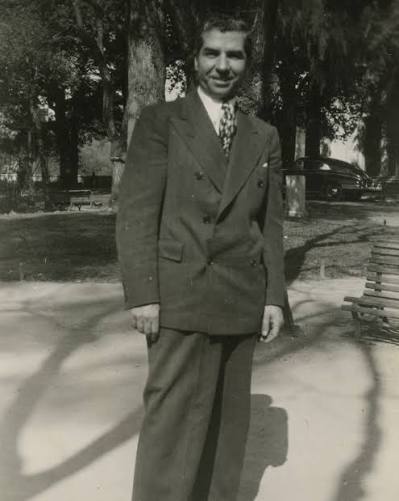
The cut of the jackets was considerably fuller than what we are accustomed to today, with wider, more generous shoulders and a roomier silhouette overall. Trousers also sat much higher at the waist than the typical suit trousers of today. This was usually paired with a tie
or bow tie.
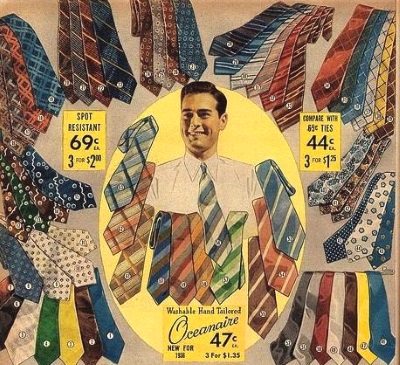
Ties of the period were generally shorter than those worn today and were often untipped. An untipped tie has no traditional lining and is instead constructed with the fabric folded back on itself, resulting in a lighter and more natural feel than many modern ties.
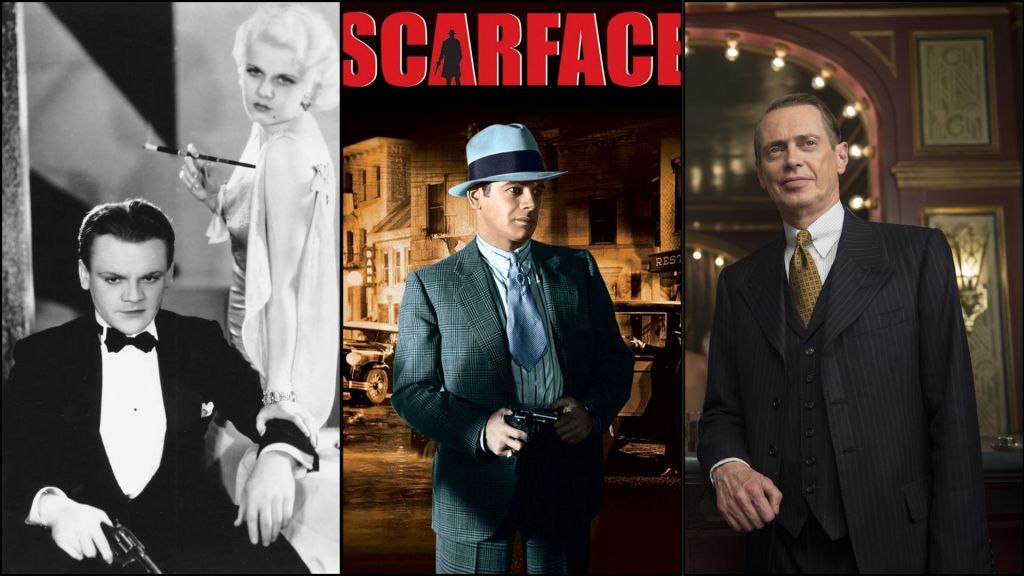
This distinctive style has also been immortalized in beloved mafia films such as The Public Enemy (1931) and Scarface (1932). As well as TV-shows like Boardwalk Empire (2010-2014).
The 1970’s
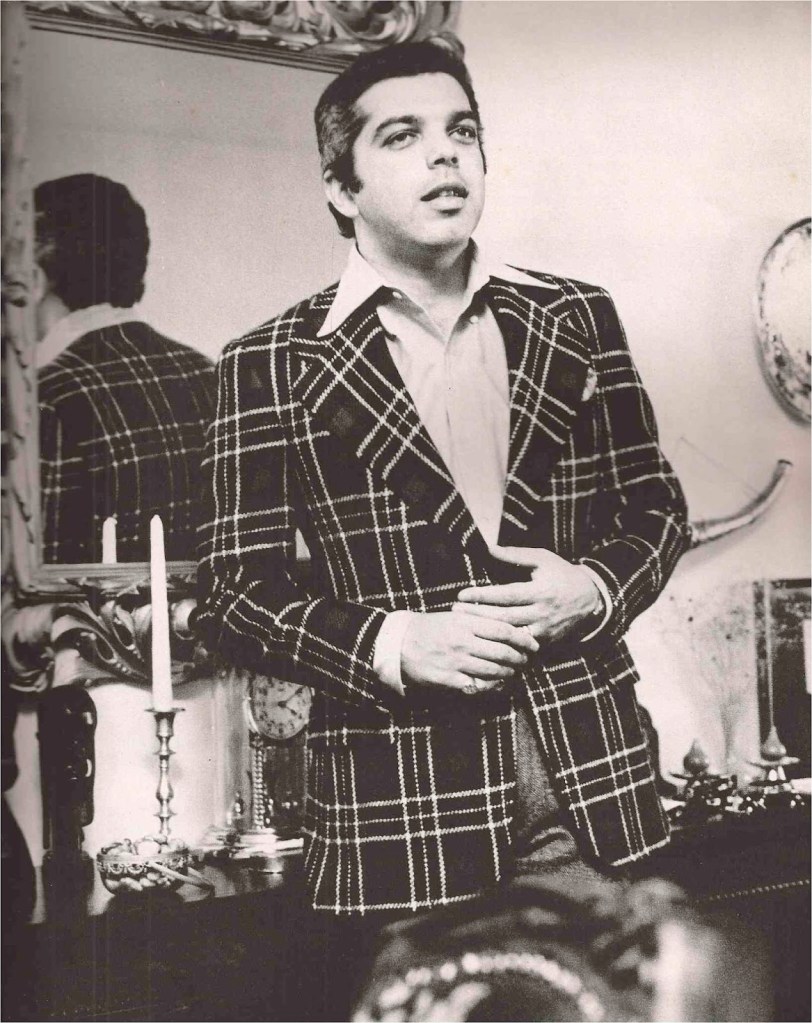
In the 1970s, the American cultural landscape changed dramatically. And with it came a major shift in fashion. The mobsters were not about to get left behind, and they too embraced the more flamboyant style of the decade. Although suits remained a popular choice, it became
increasingly acceptable to dress more casually. The rigid tailoring of the 1930s gave way to wider silhouettes, longer and roomier jackets, and flared trousers. Suits were often made from polyester and featured more vibrant colours and patterns than before.
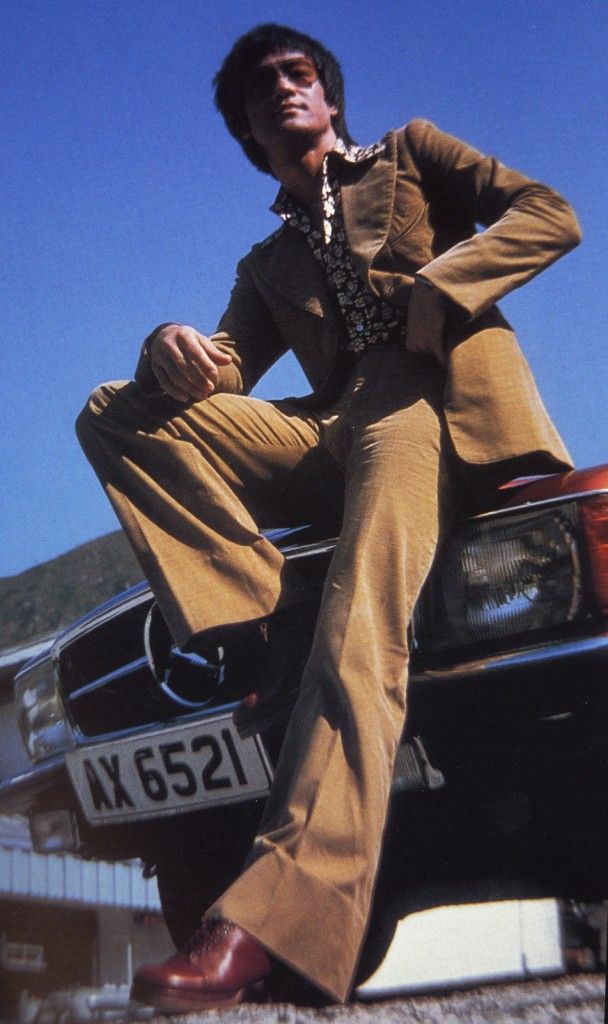
Shirts also became more of a statement piece. They often featured very large spread collars and, much like the suits, were frequently made from polyester and came in vibrant colours and bold patterns.
Even though it does not take place during the 1970s, The Godfather (1972) had a huge impact on how organized crime was perceived in the United States. The film’s two central characters, Don Corleone and his son Michael, can be seen as representing two different generations of
the Mafia: The old world and the new. In the pursuit of authenticity, the filmmakers even brought in real-life mobsters as advisers to the production and actors.
Much of what we now consider the “70s Mafia look” is a mixture of reality and Hollywood mythology.
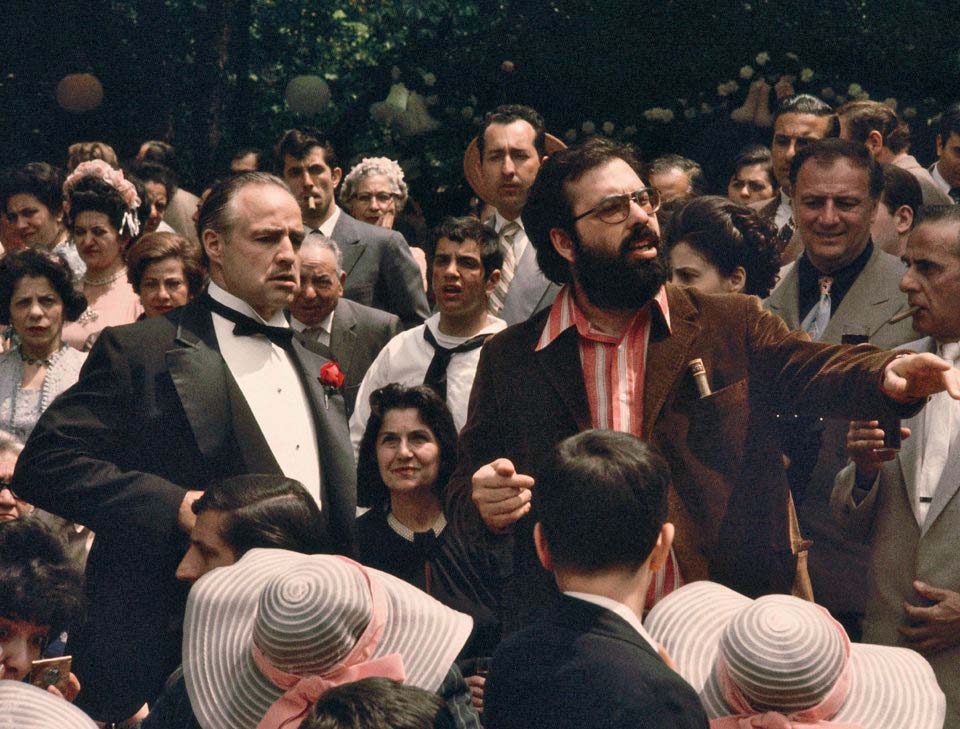
Godfather (1972)
The 1990’s
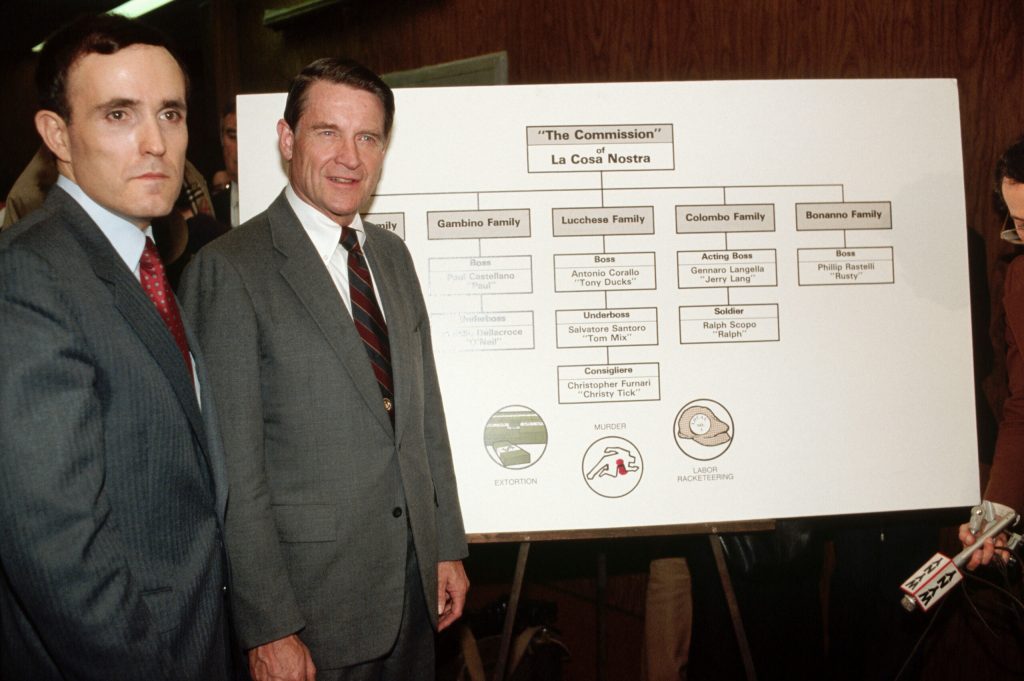
Entering the 1990s, the mobster no longer had to look wealthy or like a businessman. Comfort and keeping a low profile had become increasingly important. The Mafia had suffered a series of major blows during the previous decade, most notably the Mafia Commission Trial of 1985-86, in which eight high-ranking members of New York’s Mafia
families were convicted. Several of the most senior figures received 100-year prison sentences.
The disco era was over, and the days of the flamboyant 1970s mobster were fading. Polyester suits and sharp collars were being replaced by tracksuits, polo shirts, sneakers and leather jackets. Sportswear became increasingly associated with the modern American mobster.
The Influence of The Sopranos
In particular, the tracksuit would become one of the most recognizable pieces of Mafia style. They no longer had to show off or brag. They had already made their mark on American history, and their power was slowly fading. While the tracksuit might have been intended to make them more anonymous, it inadvertently made them iconic — mostly thanks to The Sopranos (1999–2007).
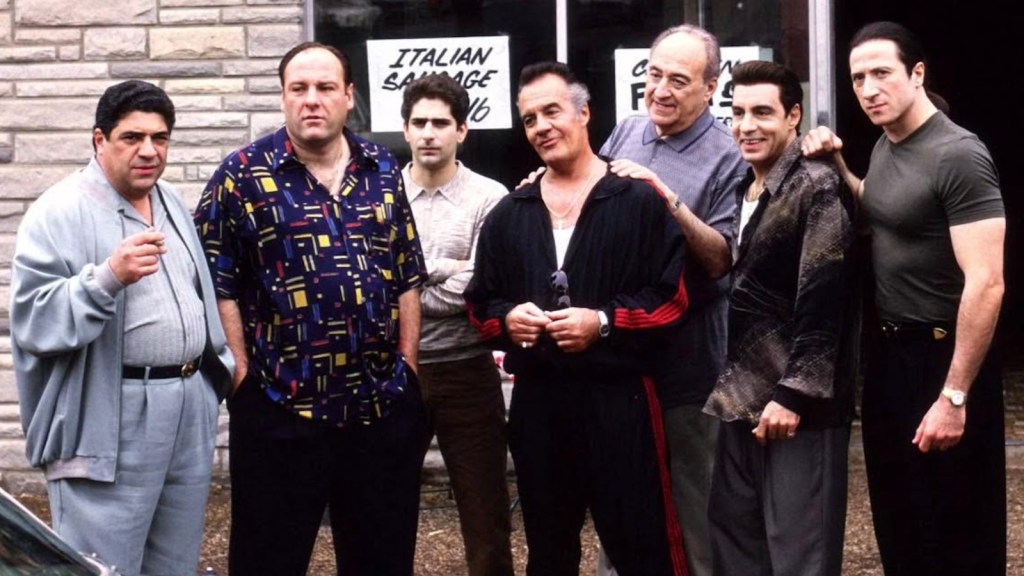
Set in suburban New Jersey, the show presented a very different kind of mobster. Gone were the days of sharply dressed men in three-piece suits and fedoras. Tony Soprano, the titular character, and his crew most often wore tracksuits, polo shirts and bathrobes, reflecting a fading subculture that had become increasingly assimilated into everyday American life.


Leave a Reply