
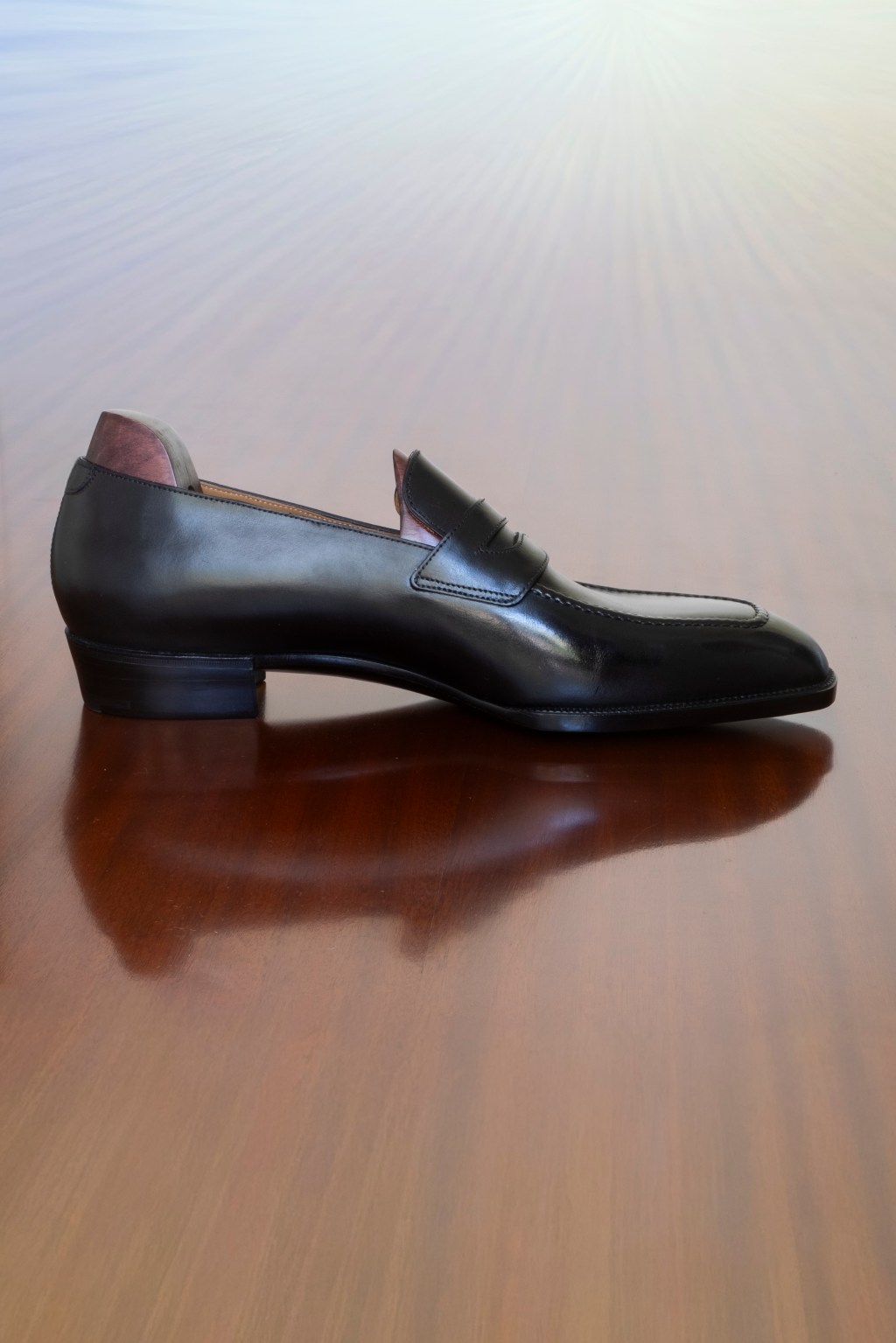
There are many telltale signs of what constitutes a well made shoe, but what are they? And how can you spot them?
The Last
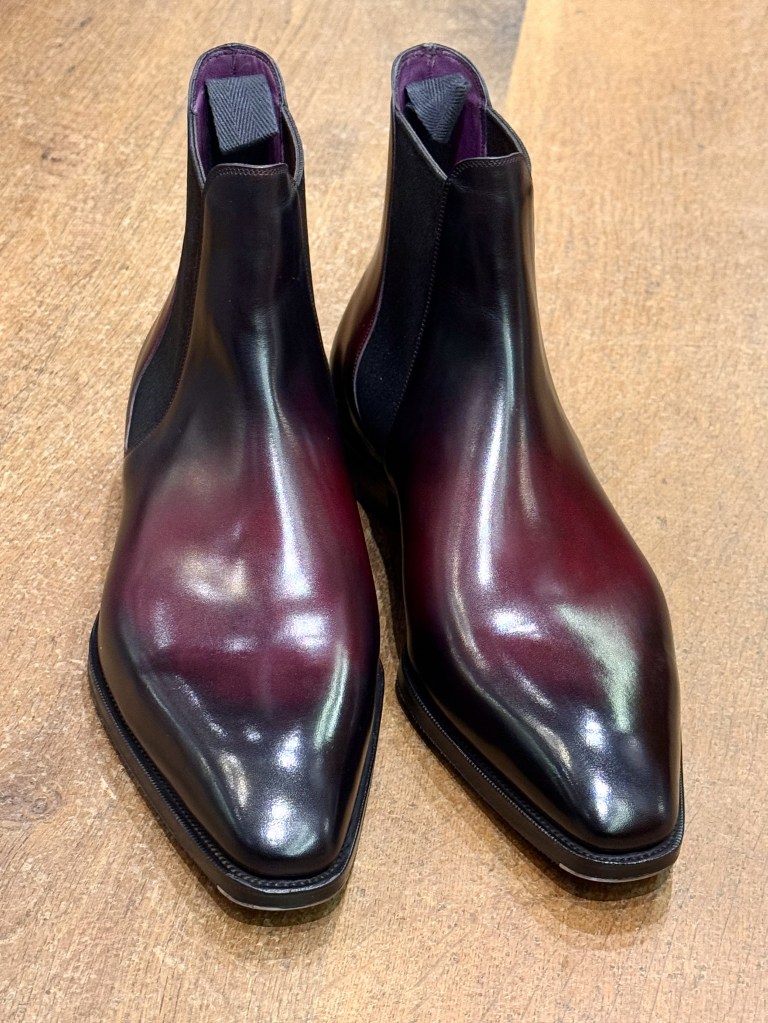
The last is the wooden form that gives a shoe its shape. Of course, the ideal last is one made specifically for you, but even when buying ready-to-wear there are plenty of ways to judge the quality of a last.
Is it well proportioned? That doesn’t necessarily mean chisel-toed or sleek. A robust pair of cordovan derbies from Alden, for example, can also be beautifully proportioned. If you’re unsure what to look for, stick to brands that are known for producing excellent lasts.
Want to know which brands to look for? Check them out at peteandharry.com.peteandharry.com
The Sole
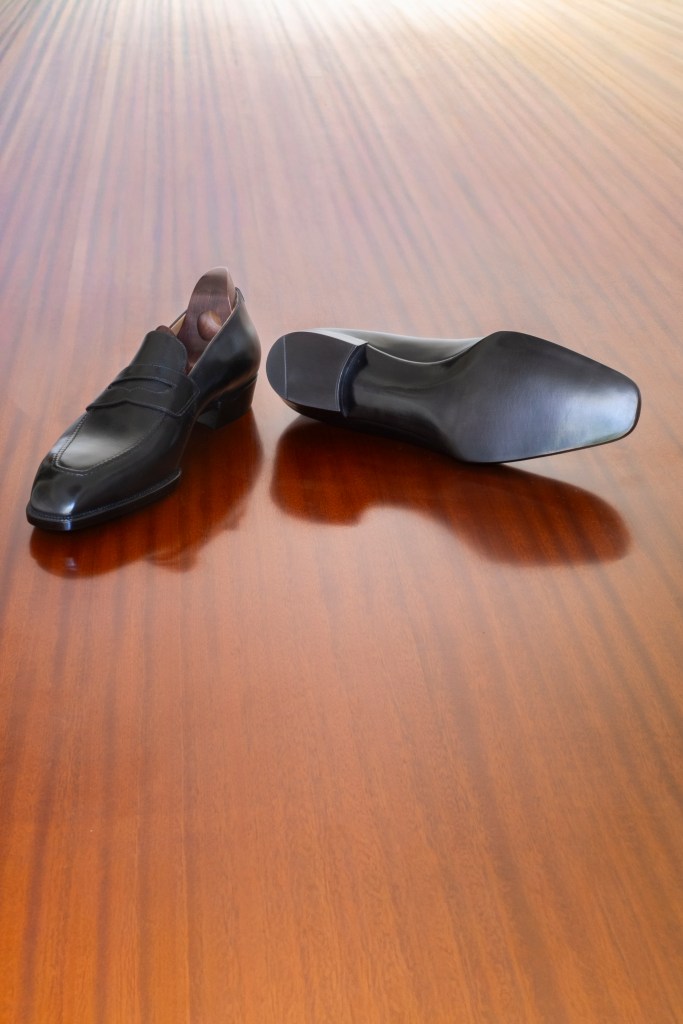
A bevelled, narrow waist is often a sign of a well-made sole, simply because it requires more skill to execute. But it is only one indicator. A rugged commando sole can be just as well made, as can a flatter leather sole.
If you’re looking at rubber soles, it’s worth paying attention to the manufacturer. Vibram, for example, has an excellent reputation. With leather soles, the quality of the leather itself is equally important, as better leather will last considerably longer. In a good shoe shop, the staff should be able to tell you exactly what you’re looking at.
The Welt
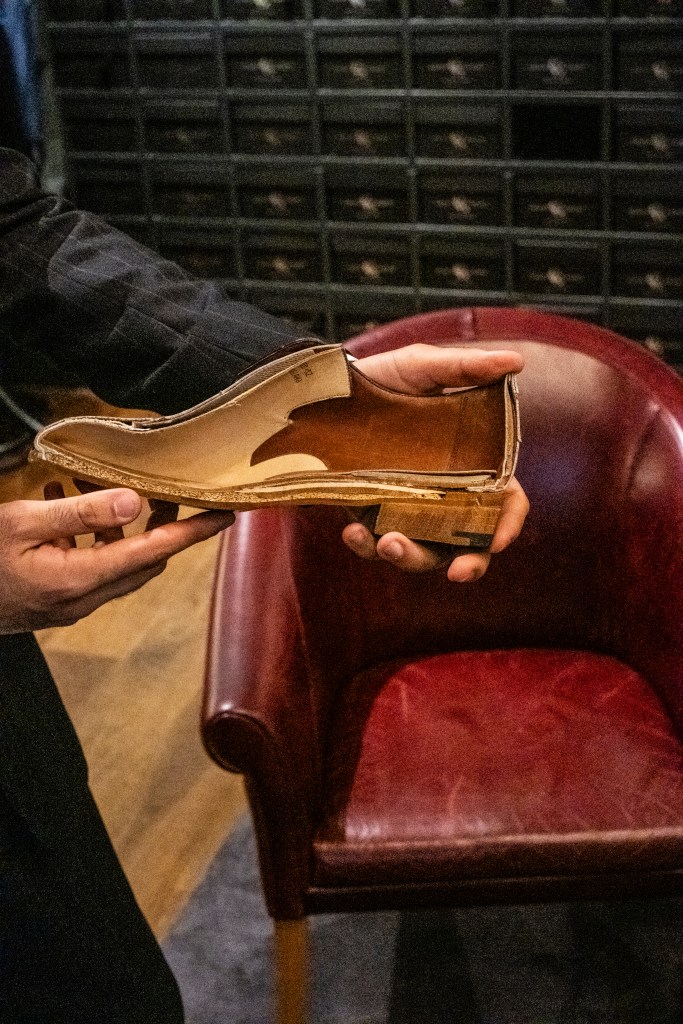
If you’re buying ready-to-wear shoes, it’s worth understanding the different methods of sole construction. A Goodyear-welted shoe has its sole stitched, rather than simply glued, making it far easier to resole once it wears out.
There are other stitched constructions as well, such as Blake stitching. Cemented construction also has its place, particularly for slippers or lightly constructed loafers, but if longevity is your priority, a stitched construction is almost always the better choice.
Leather
This is often where a truly exceptional shoe separates itself from a merely decent one. Two shoes may share a similar construction and even a comparable last, but superior leather will age more gracefully, last longer, and feel noticeably softer.
Naturally, the type of leather should suit its intended use. A sleek Oxford is often best in fine calfskin, while a sturdy derby may benefit from shell cordovan, technically not a leather, but a membrane from the horse’s hindquarters.
A reputable shoe retailer should also be able to tell you which tannery supplied the leather.
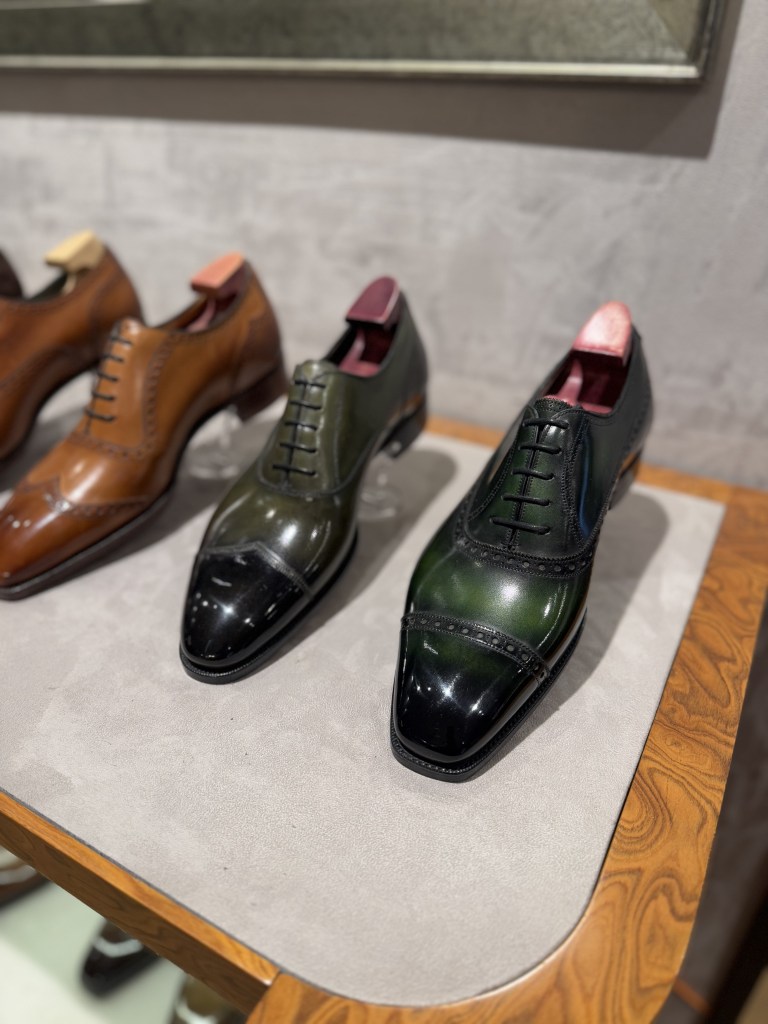
The Stitching
A high stitch count (SPI – stitches per inch) is another strong indicator of quality. It is one of the first places where cheaper manufacturers tend to cut costs.
Eight stitches per inch is generally considered the minimum for a quality shoe, while the very best makers often achieve twice that.
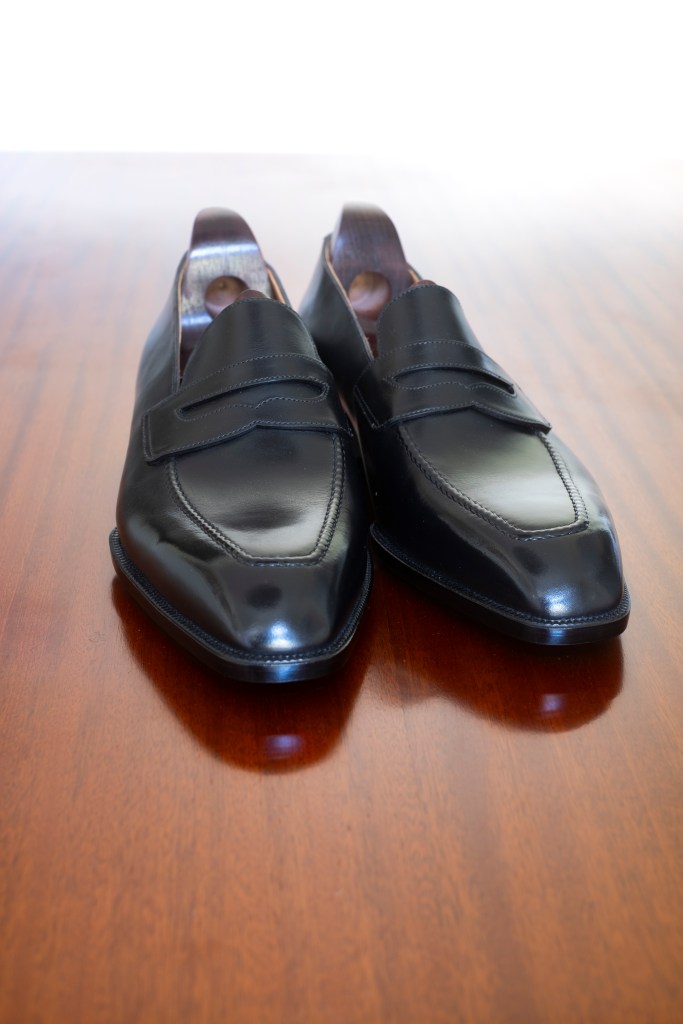
These guidelines are, of course, simplifications. The best way to judge a shoe is to develop an eye, and a feel, for quality. But until then, when in doubt, trust the makers with a proven reputation.


Leave a Reply