
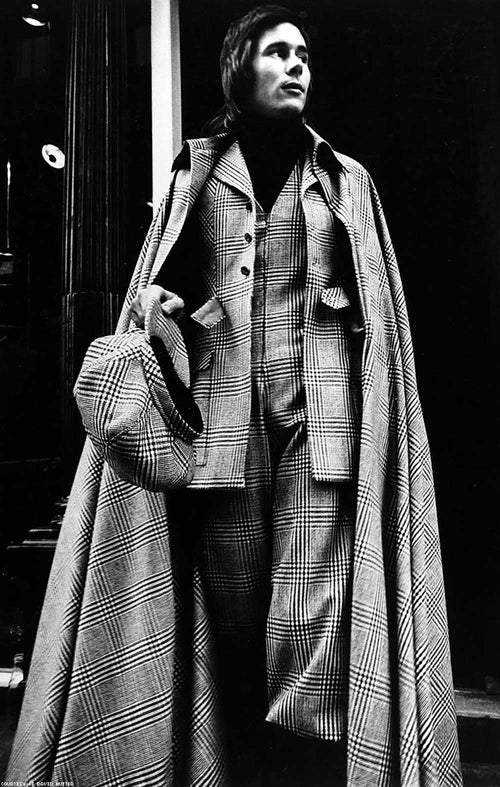
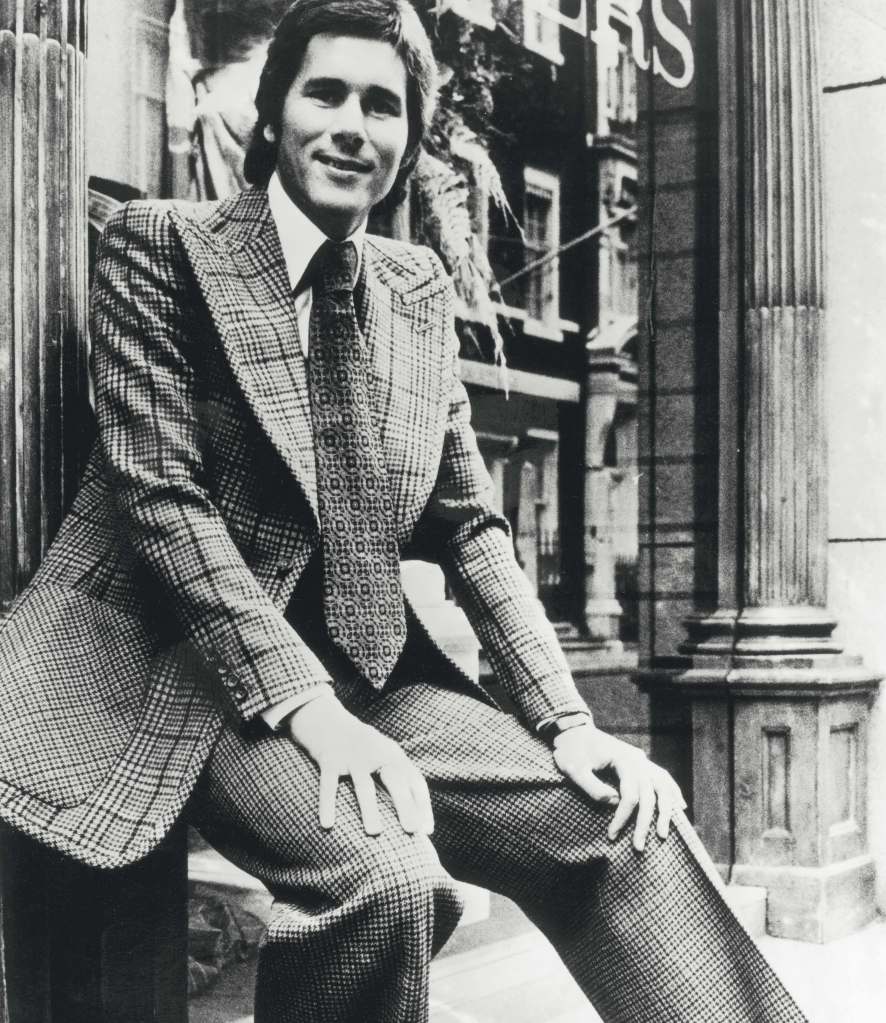
Savile Row’s Own Rockstar
For much of the twentieth century, Savile Row was a world of sartorial conservatism. The tailoring was exceptional, but the atmosphere was restrained, almost secretive. Shopfronts hid behind discreet façades, colours and patterns were conservative, and bespoke suits were designed for businessmen, aristocrats, and military officers.
Then Tommy Nutter arrived.
When Nutter opened Nutters of Savile Row in 1969 alongside master cutter Edward Sexton, he didn’t simply launch another tailoring house, he fundamentally changed the public perception of Savile Row.
Breaking Every Rule
Everything about Nutters challenged convention.
The shop featured enormous plate-glass windows at a time when most Savile Row tailors deliberately concealed their interiors. Displays were theatrical rather than discreet, and the tailoring itself was unlike anything the Row had seen before.
Where traditional British tailoring favoured restrained proportions and military precision, Nutter embraced drama.
The jackets featured sweeping, wide lapels, heavily suppressed waists, broad shoulders, long skirts and generously cut trousers. It was tailoring designed to make a statement without sacrificing craftsmanship. Every garment was still made to Savile Row’s exacting bespoke standards—but it looked unmistakably modern.
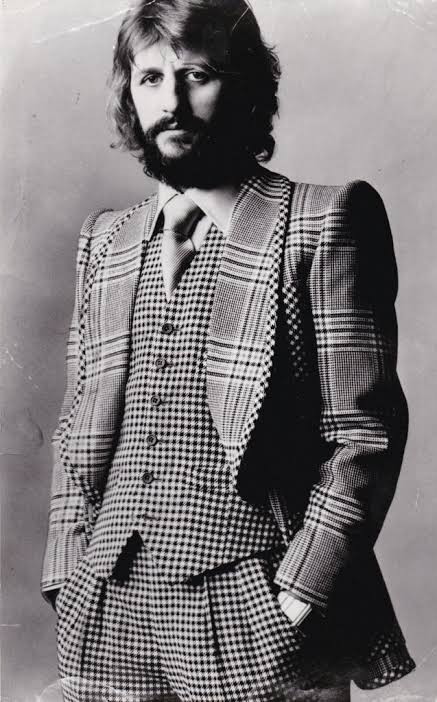
Edward Sexton: The Master Behind the Cut
While Tommy Nutter possessed the charisma, showmanship and ability to attract clients, much of the house style came from Edward Sexton.
Sexton had trained through some of London’s finest tailoring houses before developing his own distinctive approach to cutting. Together, the two formed one of the most influential partnerships in tailoring history: Nutter created the vision, while Sexton translated it into cloth.
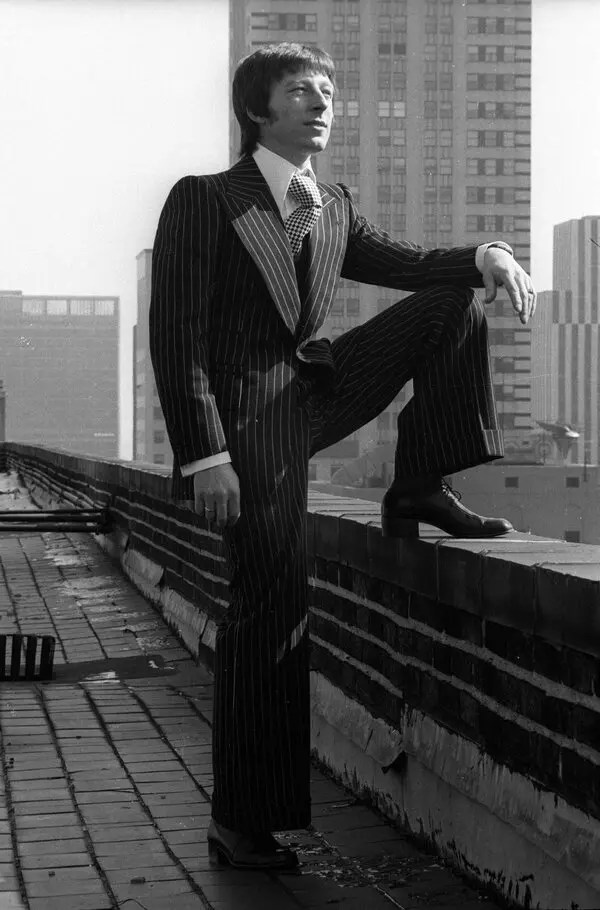
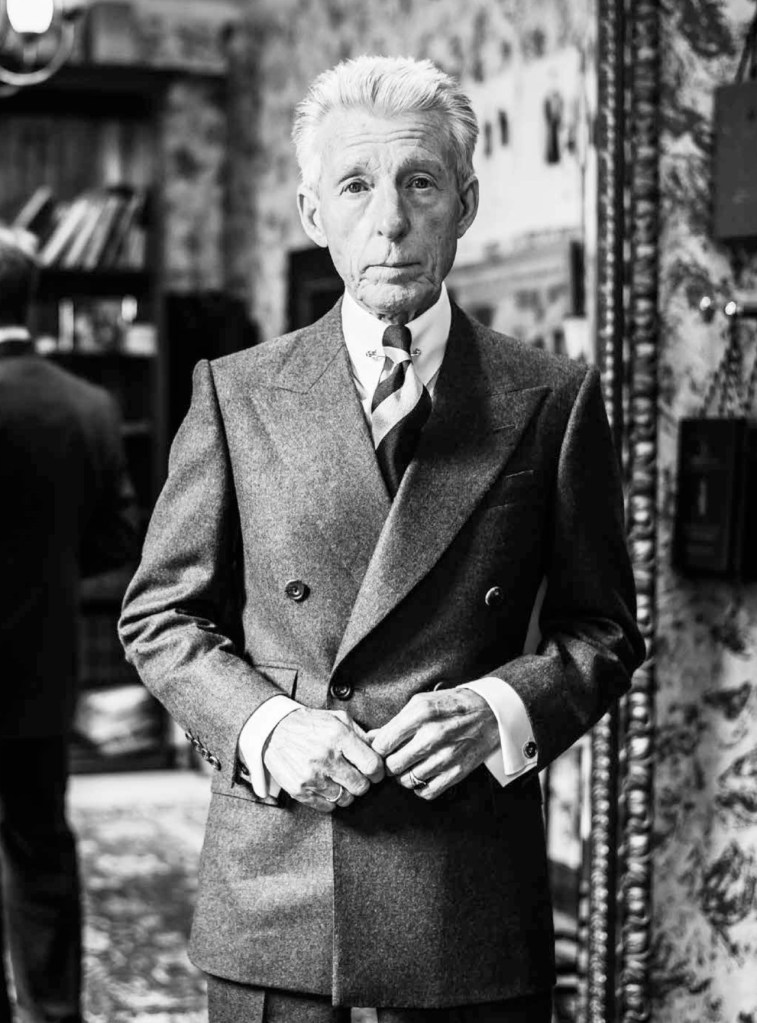
Their silhouette became instantly recognisable.
- Broad, sculpted shoulders
- Dramatic peak lapels
- Strongly suppressed waists
- Long jacket skirts
- High armholes
- Fuller-cut trousers
Despite their theatrical appearance, the garments remained remarkably elegant because the proportions were so carefully balanced. Rather than overwhelming the wearer, they created a powerful silhouette that moved naturally with the body.
Many of these characteristics still define Edward Sexton’s tailoring today, more than fifty years later (the tailoring house lives on, even though the man himself passed away a couple of years ago.)
Dressing the Rock Aristocracy
Tommy Nutter arrived at precisely the right cultural moment.
The late 1960s and early 1970s saw musicians replacing politicians and industrialists as style leaders. Rather than dressing the establishment, Nutter dressed the people reshaping popular culture.
Among his most famous clients were:
- The Beatles
- Mick Jagger
- Bianca Jagger
- Elton John
- Twiggy
- David Bowie
- Eric Clapton
- Elton John became one of his most loyal patrons, commissioning some of the flamboyant stage tailoring for which he became famous.
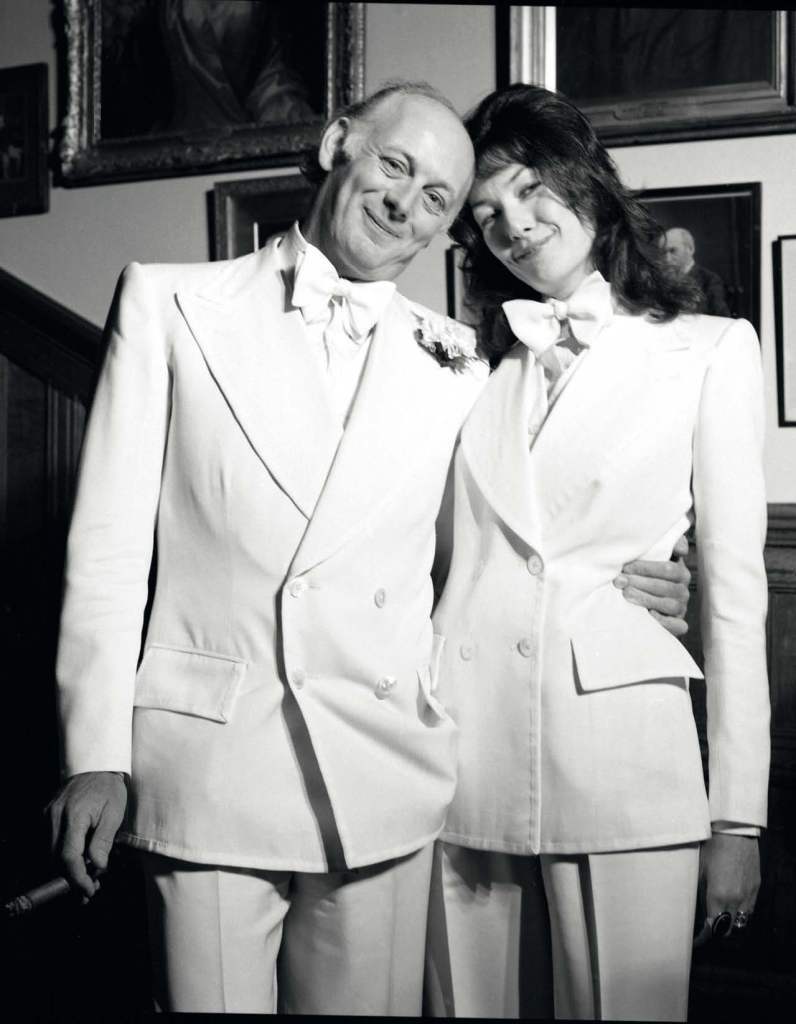
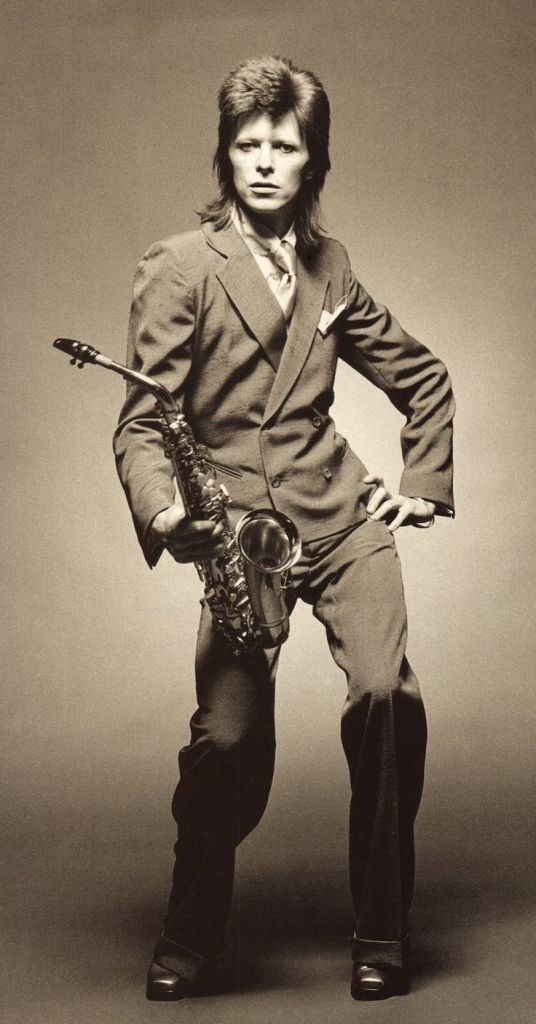
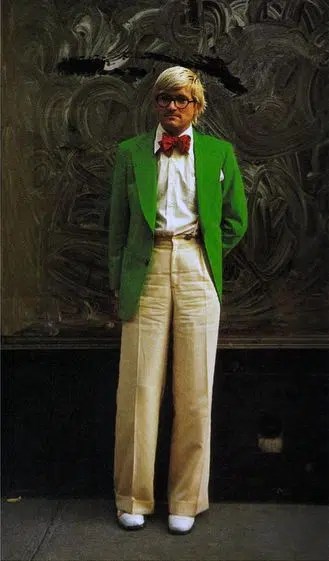

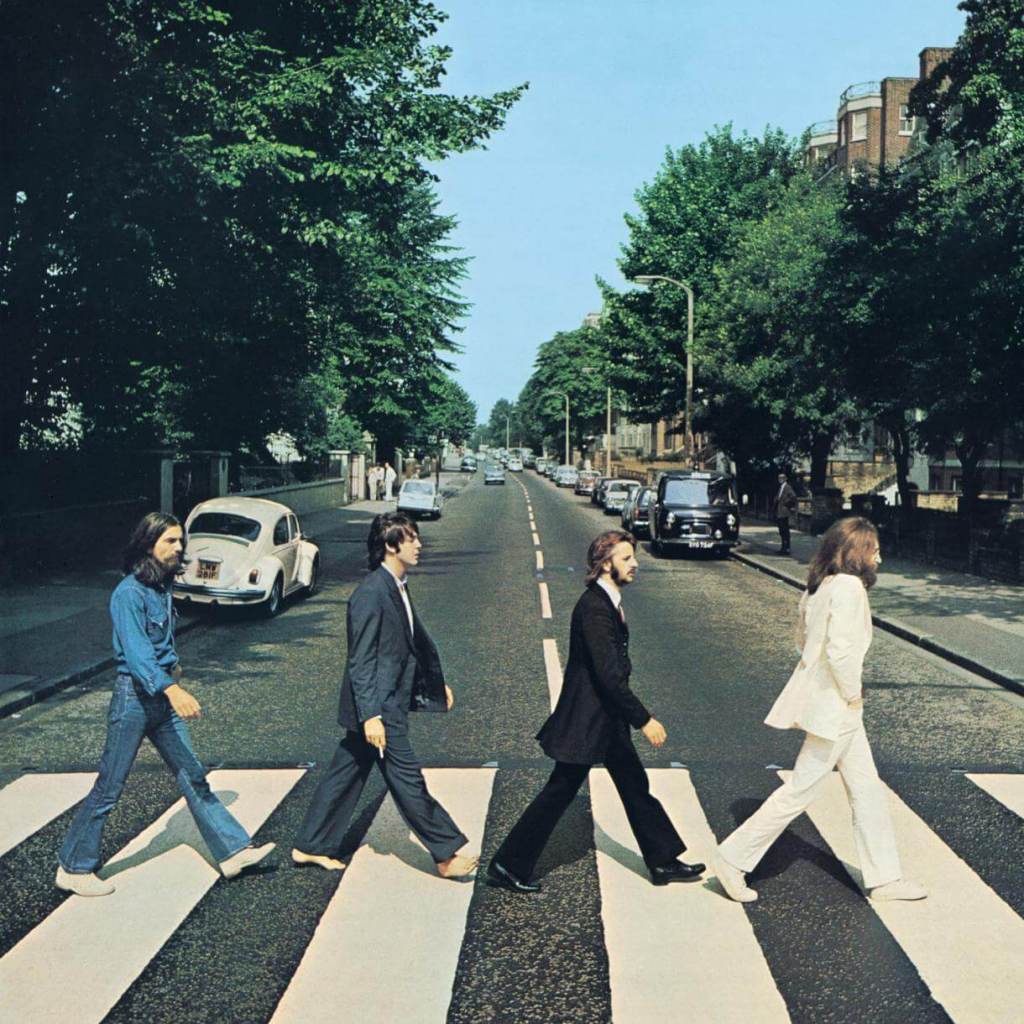
Perhaps no image is more iconic than the cover of Abbey Road, where John Lennon, Paul McCartney and Ringo Starr all wore bespoke Nutters suits. That single photograph introduced Savile Row tailoring to millions who had never previously thought about bespoke clothing.
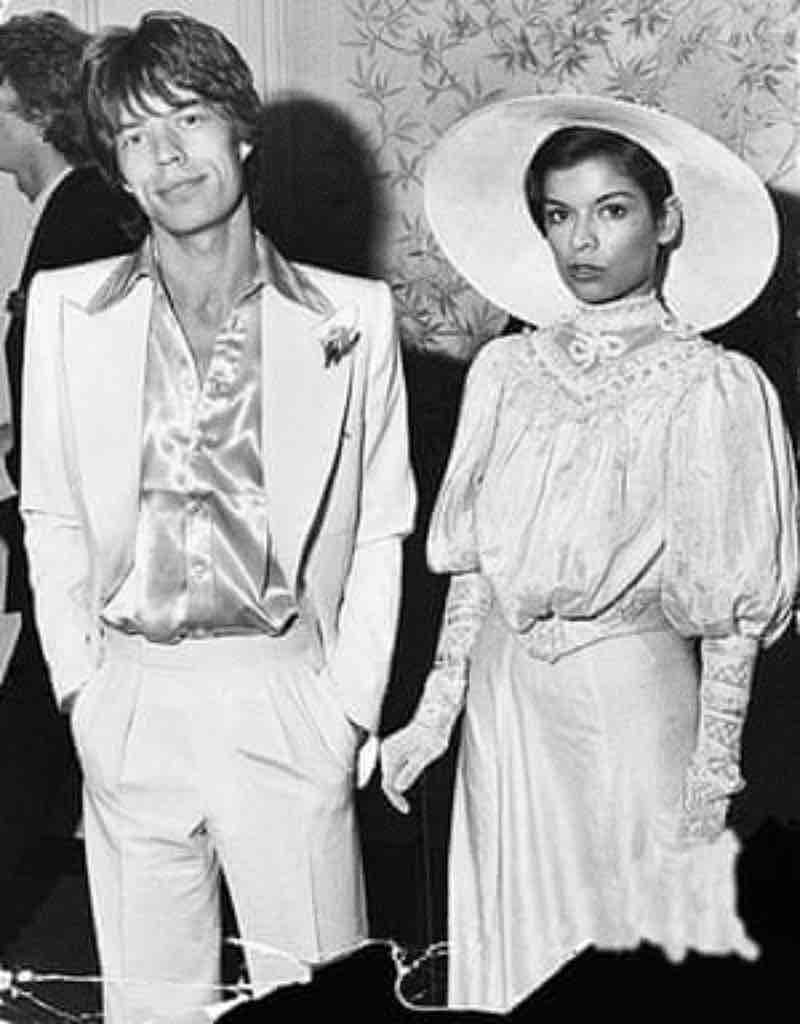
Mick Jagger’s cream wedding suit for his marriage to Bianca Jagger in 1971 remains another defining moment in menswear history.
More Than Fashion
What Tommy Nutter truly changed wasn’t simply the cut of a jacket.
He demonstrated that bespoke tailoring could be fashionable.
Before Nutters, Savile Row largely ignored fashion, preferring timelessness above all else. Nutter proved that exceptional craftsmanship and bold creativity could exist together. His clientele included rock stars and artists, but also dukes, aristocrats and businessmen, all attracted by tailoring that felt alive rather than conservative.
Many of today’s most celebrated tailors, from Edward Sexton himself to later innovators such as Ozwald Boateng, owe something to the path Tommy Nutter opened.
A Lasting Legacy
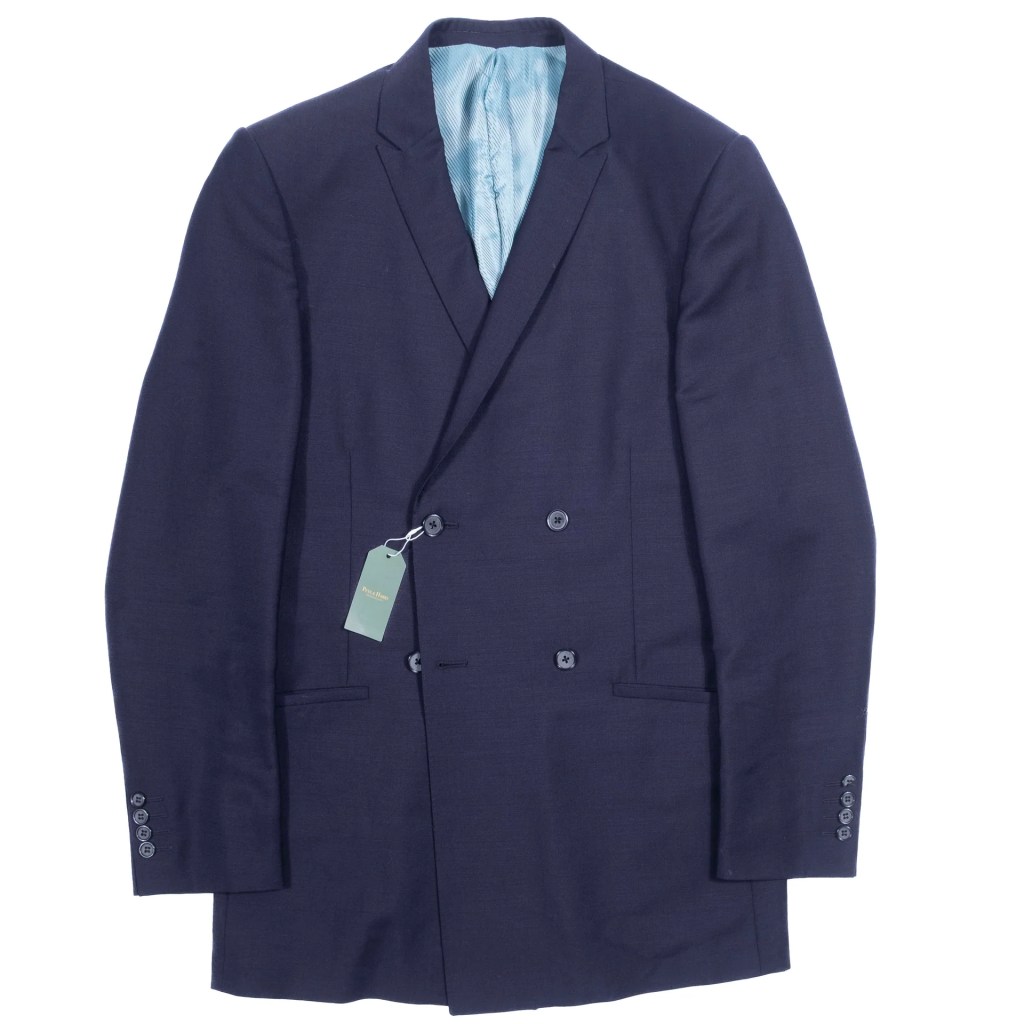
Modern tailoring has largely moved away from the exaggerated proportions of the 1970s, yet Tommy Nutter’s influence remains unmistakable.
Wide lapels have returned. Strong shoulders have become fashionable once again. Tailors increasingly treat bespoke as a creative medium rather than simply a service.
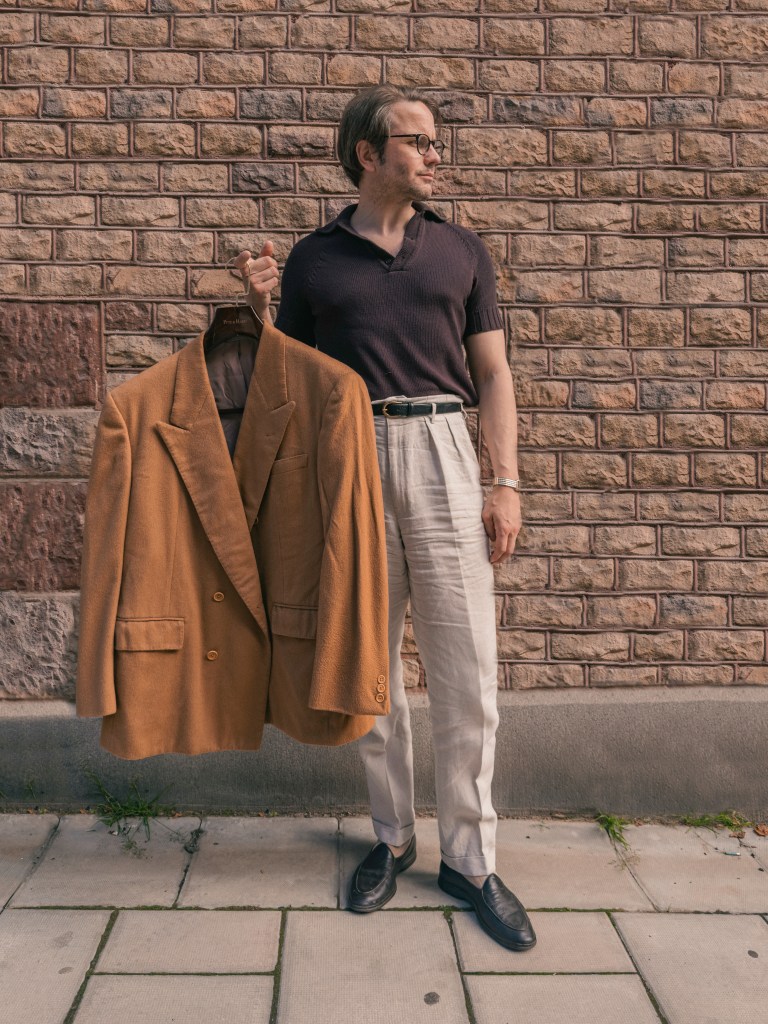
Most importantly, Savile Row is no longer viewed as a place reserved for bankers and aristocrats. It is equally associated with artists, musicians and designers, a shift that began the moment Tommy Nutter decided tailoring could be both impeccably made and unapologetically exciting.
Few individuals have altered the course of classic menswear so profoundly. Savile Row existed long before Tommy Nutter, but modern Savile Row is difficult to imagine without him.


Leave a Reply