

Shoes – Part II – Loafers
If the Oxford shoe sits at the most formal end of the spectrum, the loafer forms the bridge between casual footwear and business-ready shoes. But what exactly is a loafer? Why do so many different styles share the same name?
The common denominator is, of course, the absence of laces. A loafer is a slip-on shoe, originally named after the term loafing—to wander or relax without any particular purpose. The name reflects its inherently casual origins.
As menswear has steadily become more relaxed since the 1970s, however, the loafer has gradually moved up the formality scale. A pair of black leather loafers—particularly understated penny loafers—can pass as business footwear in almost any setting.

The Types of Loafers
Although they all fall under the same umbrella, loafers come in a surprising variety of styles. Their origins differ, as do their traditional uses, but they all share one defining characteristic: they slip on without laces.
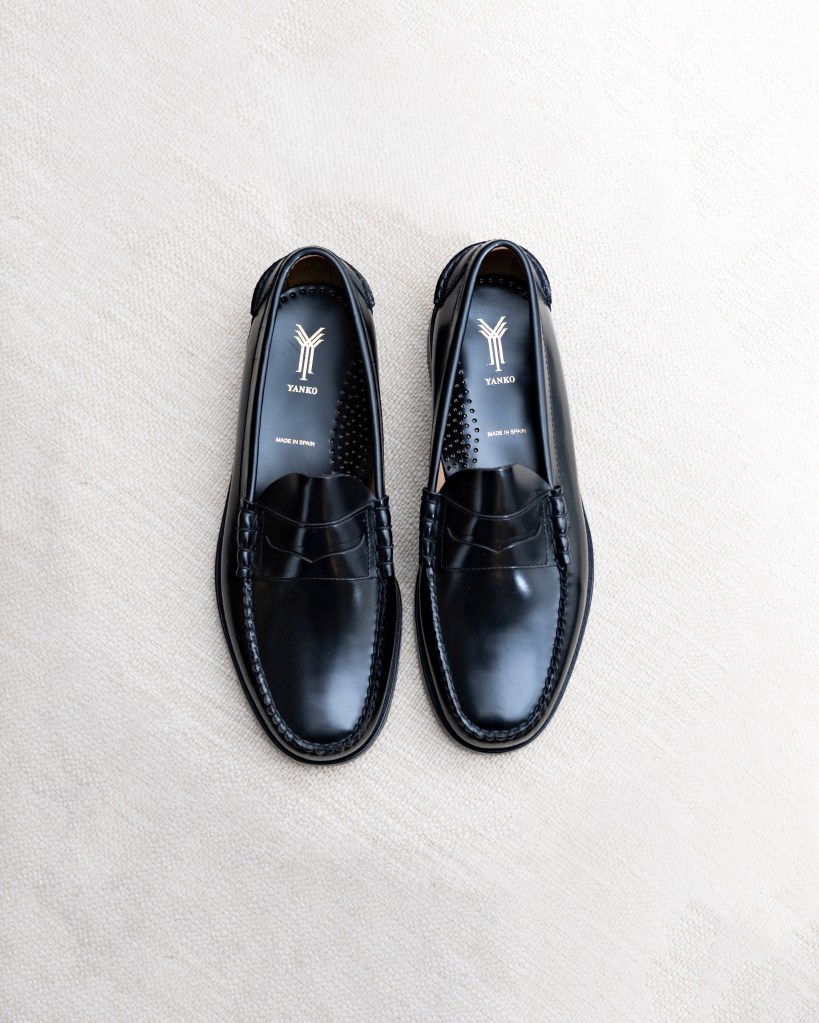
The Penny Loafer
The penny loafer takes its name from the small slit in the leather strap crossing the vamp. The term was coined—pun intended—in the 1950s, when the shoe became popular among American prep school and college students, who supposedly kept a penny in the slot to pay for public telephone calls.
The story begins much earlier, however. The original design was inspired by Norwegian fishermen’s shoes, which in turn had been influenced by Native American moccasins. In a sense, when the loafer became popular in the United States, it had come full circle.
The Tassel Loafer
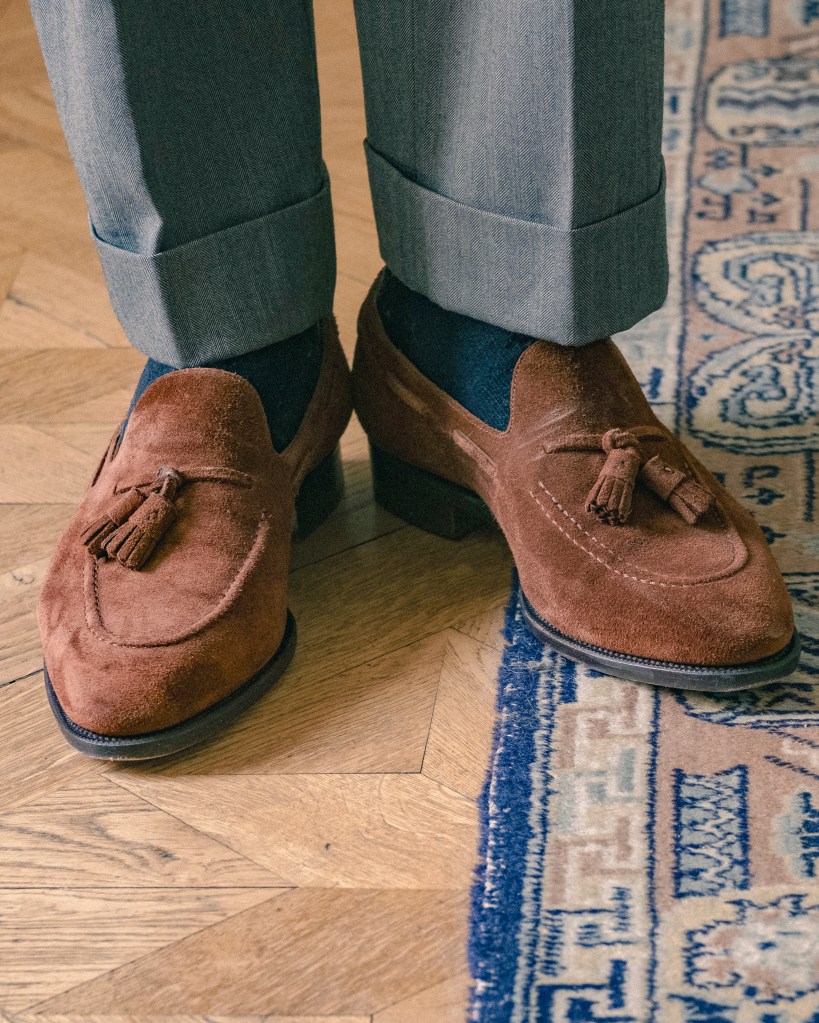
Despite sharing the loafer name, the tassel loafer actually traces its origins to lace-up shoes.
In the 1930s, the Hungarian actor Paul Lukas admired a pair of Oxford shoes finished with tasselled laces but wanted a more relaxed version. After approaching several shoemakers, the request eventually reached Alden, who developed the first tassel loafer.
The design proved an immediate success and remains one of the most elegant casual shoes ever created.
The Bit Loafer
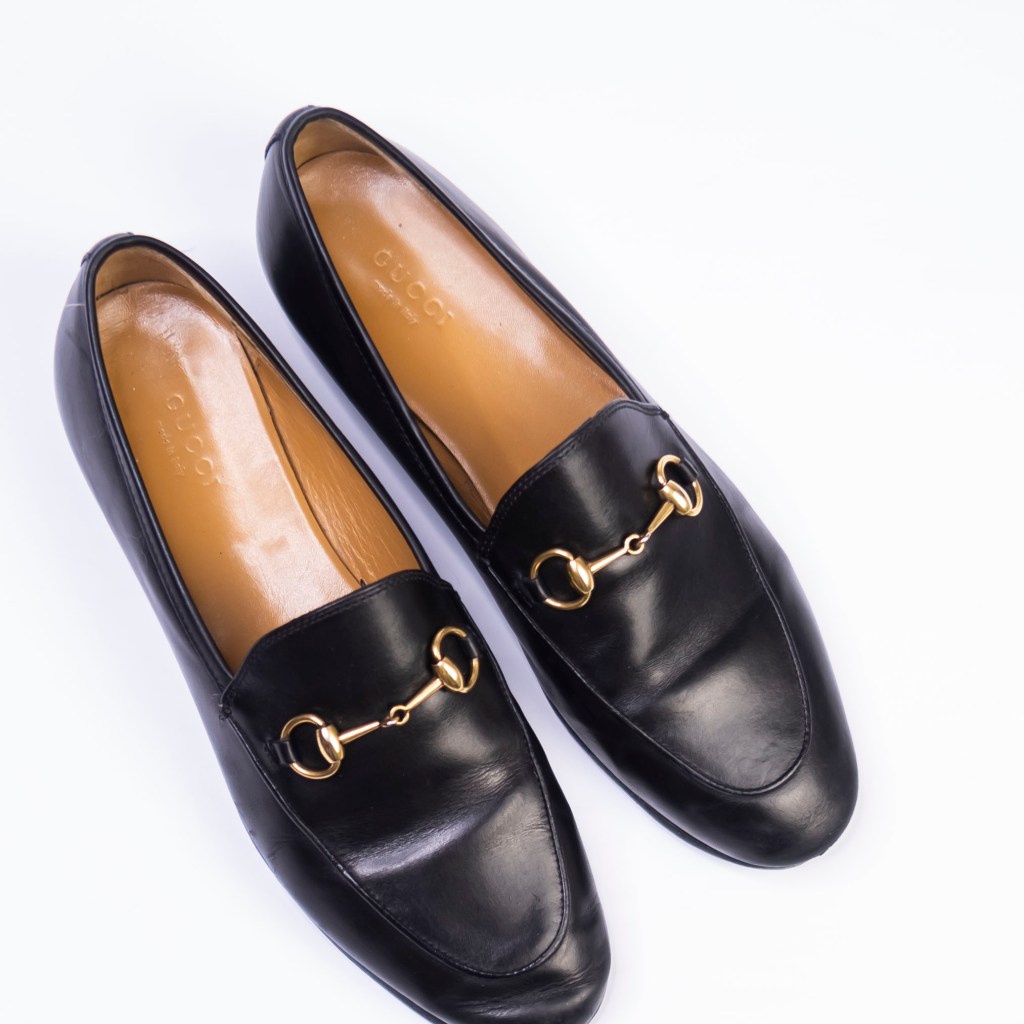
Like the penny loafer, the bit loafer owes much of its shape to the traditional moccasin. Instead of a leather strap, however, Aldo Gucci introduced a metal horse bit across the vamp, drawing inspiration from the equestrian world.
The design has enjoyed several revivals—from Ivy League style in the 1950s to the power dressing of the 1980s and today’s blend of tailoring and casualwear. Few loafers have remained as consistently relevant.

The Belgian Loafer
The Belgian loafer is arguably the most casual member of the loafer family. Unlike traditional Goodyear-welted shoes, it is often made using cemented construction and features little or no lining, giving it an exceptionally lightweight and flexible feel.
Its sleek silhouette is its defining characteristic. Although first developed in Belgium, it gained international recognition through the New York retailer Belgian Shoes, whose name became almost synonymous with the style.

When Should You Wear Loafers?
Almost any time.
The only real exceptions are occasions governed by strict dress codes. For the most formal business environments, a pair of Oxford shoes remains the safest choice, while formal evening dress still calls for pumps.
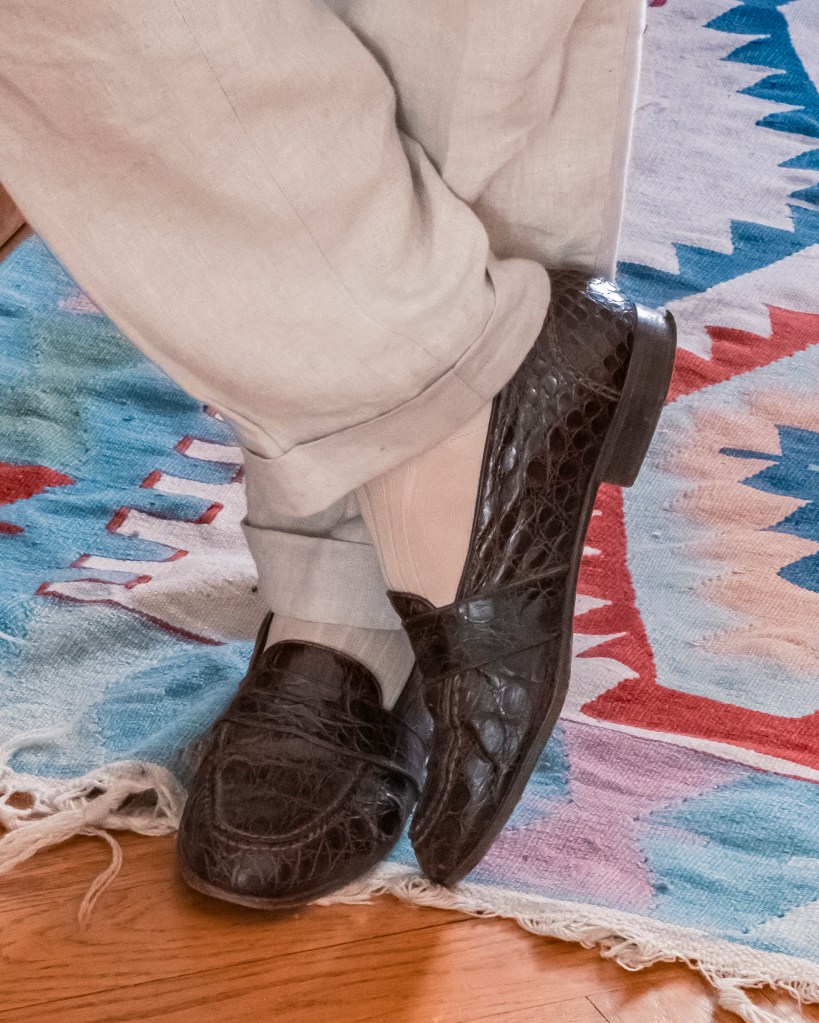
Everywhere else, the loafer feels entirely at home. Whether paired with linen trousers by the sea, flannels in the office, or denim in the city, it remains one of the most versatile shoes a man can own.



Leave a Reply