
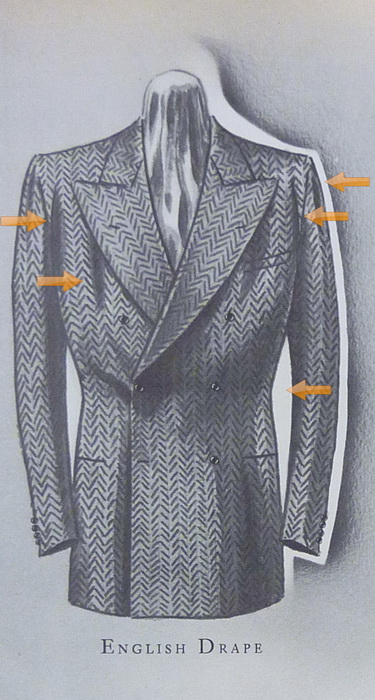
In today’s evolving landscape of men’s tailoring, the quest for comfort, elegance, and structure without rigidity has ushered in a renewed appreciation for full canvass sport coats. These garments strike a rare balance – offering the refinement of traditional craftsmanship while maintaining the relaxed ease necessary for contemporary wear. At the heart of this movement lies a historical touchstone: the drape cut popularized by Frederick Scholte, one of the most influential tailors of the 20th century.
The Anatomy of a Full Canvass Sport Coat
A “full canvass” refers to the method of construction where a canvas interlining, usually made from a blend of horsehair and wool, is sewn into the chest and lapel area of the jacket, rather than fused with glue. This allows the jacket to mold to the wearer’s shape over time, ensuring a superior fit and longevity. The result is a jacket that moves effortlessly with the body and feels like a second skin.
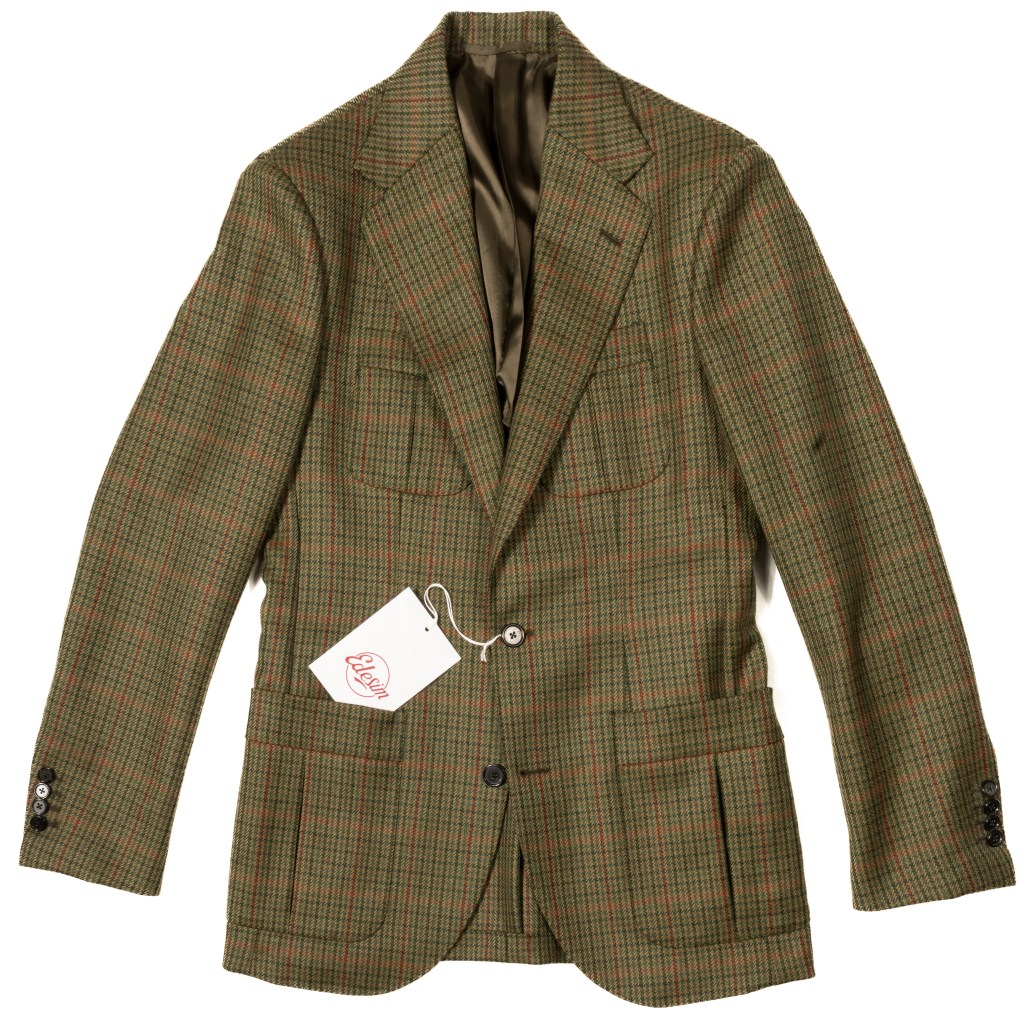
While full canvass suits often evoke thoughts of rigidity and formality, there are several examples of light canvass sport coats that depart from this tradition. They prioritize fluidity and softness, while still maintaining a well-defined silhouette. This balance is not easy to achieve and that’s where Scholte’s legacy becomes relevant.
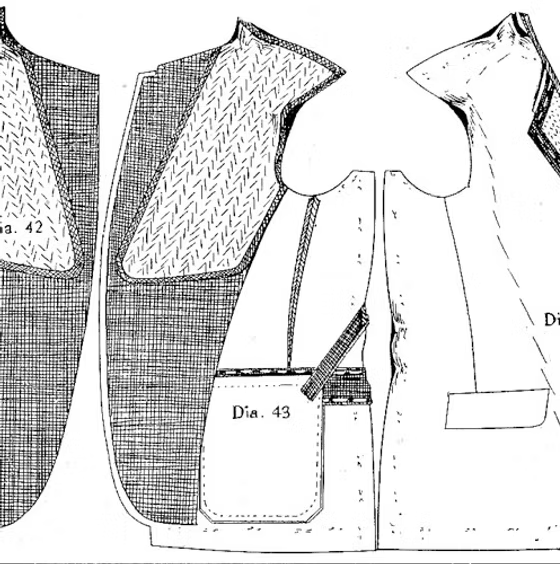
Scholte’s Drape Cut: Elegance Through Ease
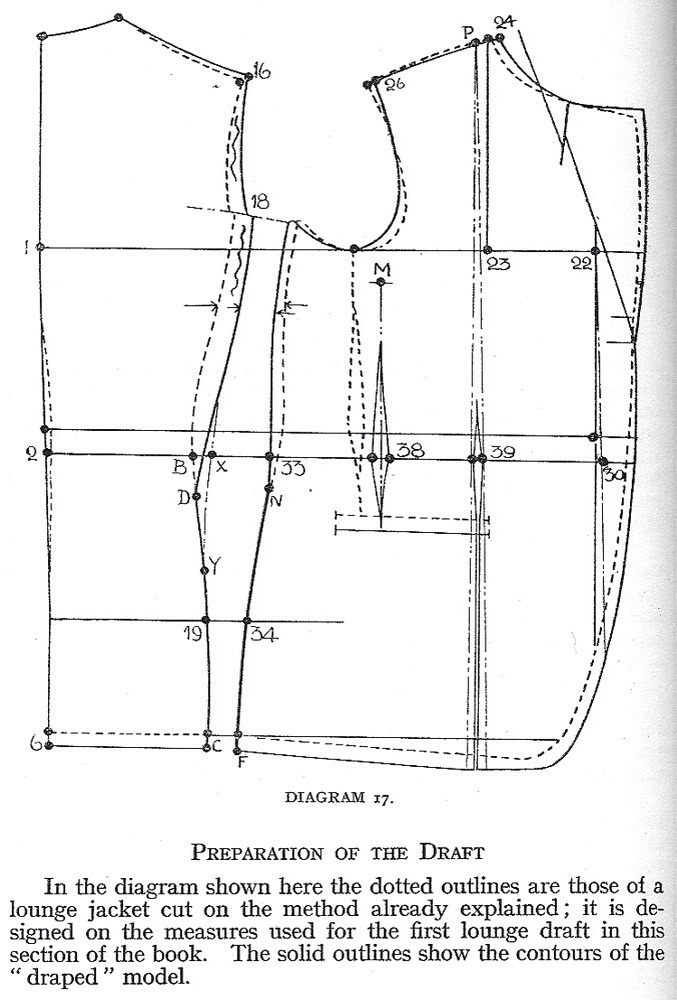
Frederick Scholte, a Dutch-born tailor based in London, is most famously remembered as the tailor to the Duke of Windsor. He pioneered the “drape cut” or “London drape,” a style that featured more fabric across the chest and shoulders to create an impression of masculine vigor while allowing unrestricted movement. The hallmark of this cut is its soft, almost languid structure – achieved through generous drape in the chest and back, subtly forward-pitched sleeves, and a suppressed waist.
This style was a revelation. Unlike the tightly fitted and rigid tailoring of earlier eras, Scholte’s drape cut emphasized comfort, natural posture, and dynamic elegance. Today’s full canvass sport coats often pay homage to this heritage by incorporating gentle drape and a natural shoulder line, an antidote to overbuilt suits with stiff padding and exaggerated silhouettes.
Light Padding: Structure Without the Weight
In the context of sport coats, light padding refers to the minimal use of shoulder pads and internal reinforcements. While traditional tailoring often relied on heavy padding to enhance the wearer’s shape or stature, modern tailors have embraced a more organic approach. Lightly padded shoulders maintain a clean line without altering the natural slope of the shoulder, making them ideal for casual elegance.
Combined with a light full canvass and the drape cut, minimal padding offers a silhouette that is structured yet relaxed, refined yet unstuffy. The shoulder flows seamlessly into the sleevehead, the chest has a soft roll, and the overall effect is one of quiet confidence rather than sartorial bravado.

Why It Matters Today
As dress codes relax and the demand for wearable elegance rises, light full canvass sport coats are having a moment. They are versatile enough to be dressed down with denim or elevated with tailored trousers. The Scholte-inspired drape allows for freedom of movement (perfect for the man on the move) while the minimal padding keeps things cool and contemporary.

For those seeking a coat that speaks of craftsmanship without ostentation, a light full canvass sport coat, informed by Scholte’s drape and constructed with restraint, is the modern gentleman’s answer. It is where tradition meets transformation, proof that true style is not just what you wear, but how well it wears you.
 Journal
Leave a comment