

With its origins in the aspirational Ivy League colleges of America, this style has influenced so many different aesthetics that it could be argued it is the most influential classic style.
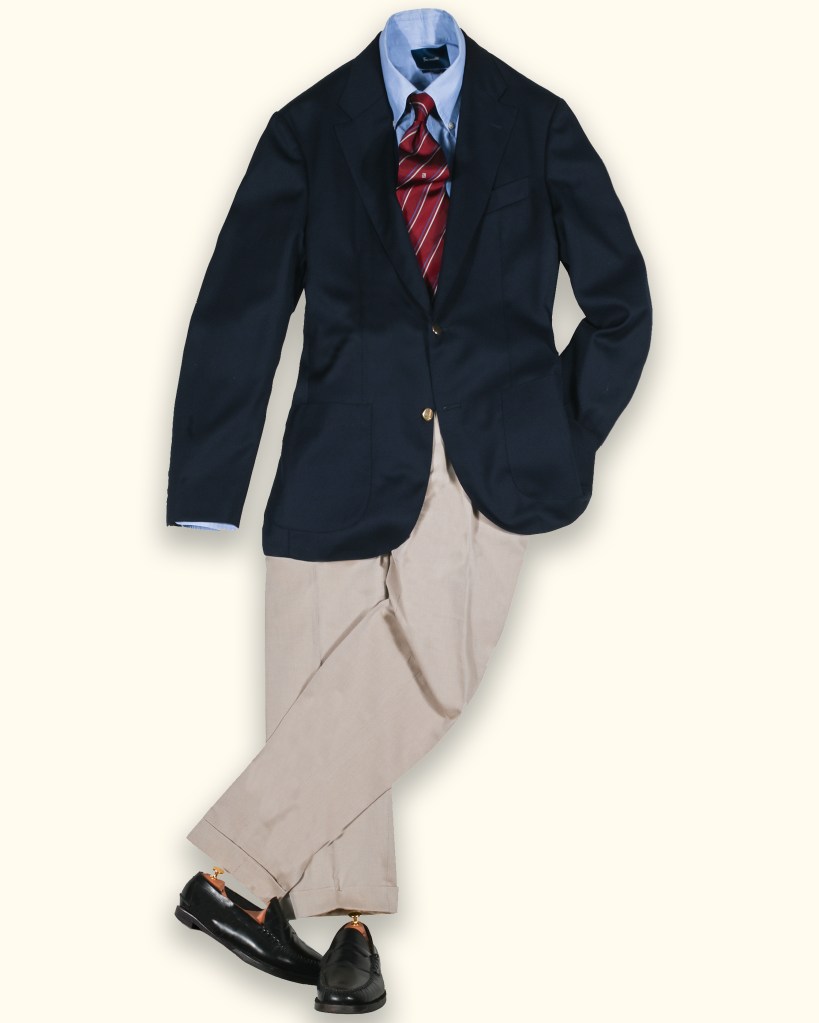
It’s quite funny how style inspiration can sometimes feel like a game of ping pong. Naturally, the (mostly East Coast) colleges known for educating future leaders in American politics and industry drew inspiration from the older, affluent schools of Britain, such as Oxford and Cambridge. The styles worn by students reflected that old, worn-in, perhaps even inherited look, an aesthetic long associated with true old money and sophisticated taste.

This lasted up until the 1950s, when a unique, profoundly American style began to develop – The Ivy Style. Inspiration came from new sources. A whole generation of young men returning from World War II enrolled in colleges and brought with them several garments that would become staples of Ivy style. Perhaps the most prominent among these was the chino: an inherently casual type of trouser originally created for soldiers stationed in more tropical climates.

Other major influences on Ivy style included sports, especially gentlemanly ones like tennis, polo, rowing, and the like. Historically, these sports were played in attire that we would now consider rather formal. Rowers wore striped rowing blazers with gold-colored buttons; tennis players wore high-waisted white trousers and short-sleeved shirts; polo players wore what would later be known as button-down shirts, designed that way to prevent the collars from flapping in the wind.
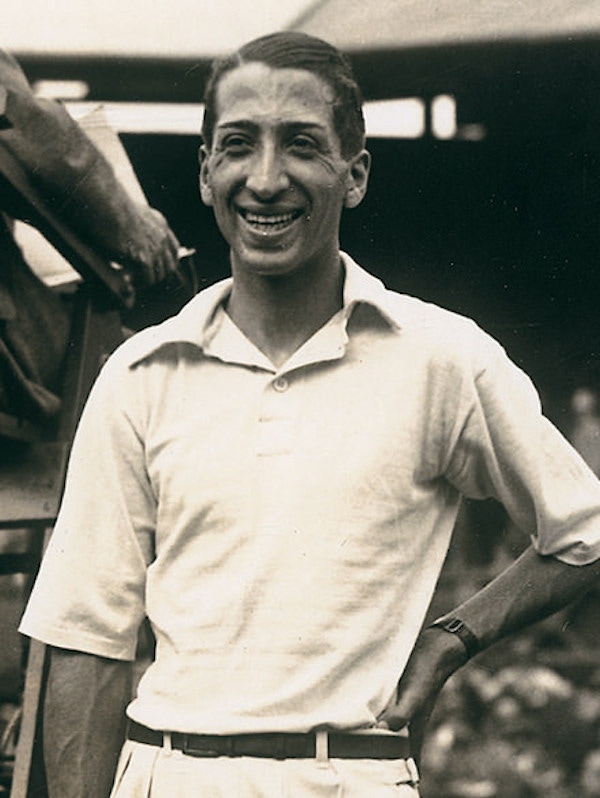
All of these elements contributed to Ivy style. The polo shirts developed by René Lacoste, what came to be known as tennis shirts, were adopted into the wardrobe, as was the button-down shirt. From rowing and private gentlemen’s clubs came the club blazer; from the Southern states, the seersucker jacket.


Ivy style sport coats, sack jackets, share many traits with various Italian jackets, but also differ in important ways. These jackets were more influenced by sports and an active, youthful lifestyle than by the Old World. The shoulders are natural, meaning they follow the wearer’s shoulder line—, and the jackets lack front darts (similar to Florentine tailoring), yet are cut quite wide, hence the name sack jackets. They typically feature three front buttons, where the top button is concealed by the lapel, giving rise to the term 3-roll-2 (also found in Neapolitan tailoring).
On their feet, they wore, and still wear, footwear suited to a dressy yet casual lifestyle. Penny loafers are especially iconic within this style, as are boat shoes, deck shoes, and white buck derbies with red soles.

Ivy style later inspired jazz musicians, who introduced it to entirely new audiences. It resonated with English mods (see, I told you there was a sartorial ping-pong game going on). Mods adopted many Ivy elements and blended them with classic British tailoring and Italian influences.

Perhaps the most impressive feat of Ivy style is that it has remained popular and influential in menswear to this day. A mix of streetwear, workwear, Italian tailoring, and Ivy staples can be seen in contemporary brands like Drake’s. The style is often blended with other aesthetics to create something new yet still recognizably Ivy-influenced. Plaid patterns (like bleeding madras), seersucker, penny loafers, chinos, button-downs, polo shirts, white tennis socks, deck shoes, and several other elements are now often mixed with Japanese denim, sashiko fabrics, French workwear jackets, English shoes, and many other garments, continuing to evolve the Ivy heritage and ensuring its ongoing relevance.

 Journal
Leave a comment