
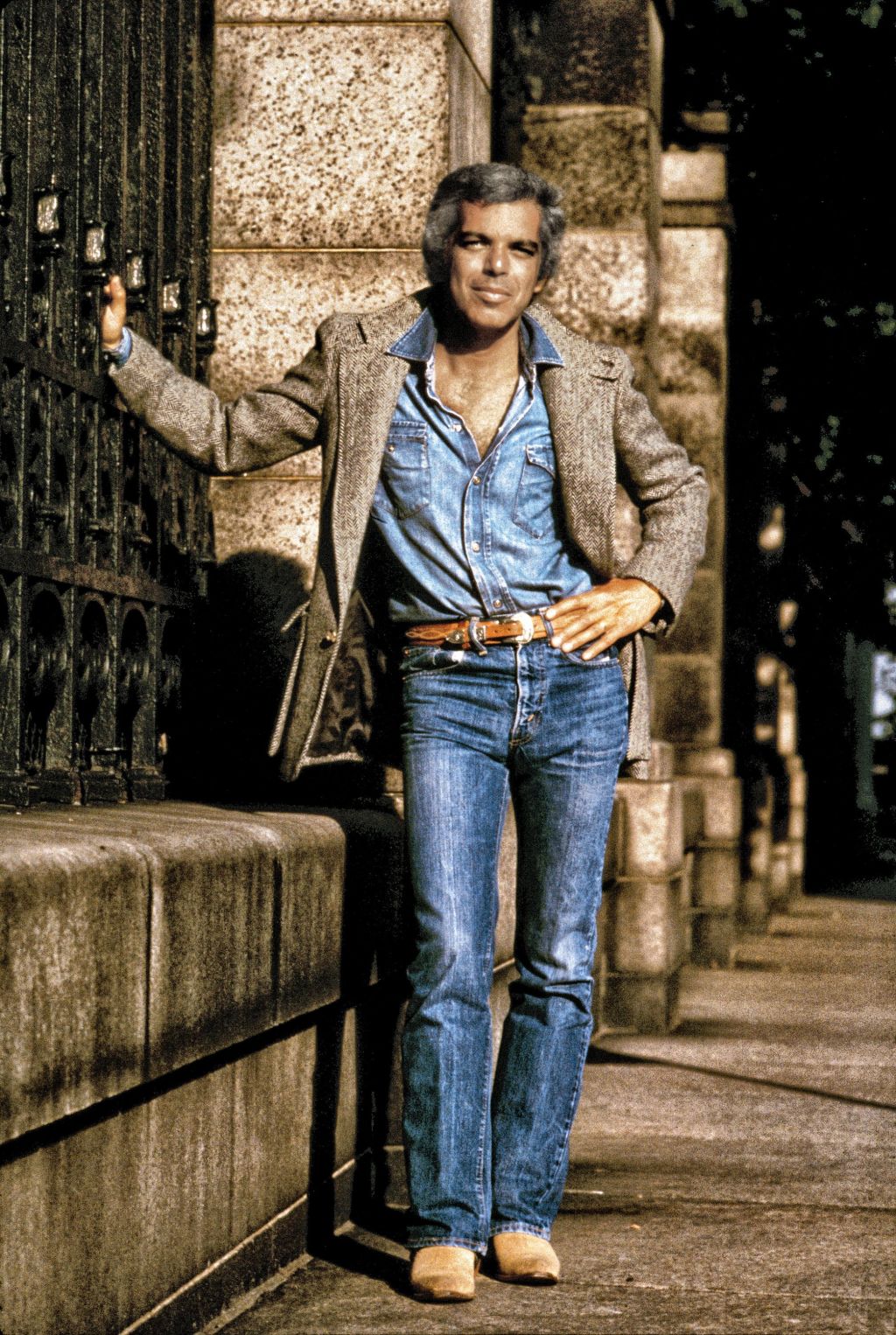
Before Kanye West completely lost touch with reality (or, let’s be honest, perhaps he never was entirely connected), he famously declared: “It ain’t Ralph though.” For once, Mr. West wasn’t wrong. Only Ralph is Ralph. Ralph Lauren – the man, the myth, and the eponymous brand with its sprawling universe of diffusion lines – has earned every superlative thrown his way over the decades.
So, what can be said about Mr. Lauren that hasn’t already filled countless articles, essays, even entire books? Probably nothing, except our own perspective on the man we argue is the greatest American designer of all time.
Does that greatness stem from a technical mastery of pattern-making or an exhaustive academic background in design?
Hardly. It stems from something much rarer: a vision. An uncanny eye for the codes and aspirations woven into the American psyche.

Who is Ralph?
Born Ralph Lifshitz in the Bronx, into a Jewish family, he grew up under a name that, as you can imagine, didn’t exactly make school easy. It wasn’t Ralph himself who changed it to “Lauren”; it was his brother, Jerry. Ralph simply followed suit. “Lauren” was a blank canvas, a name with no built-in prestige or aspiration. Ralph would change that.
The mythology of the American Dream is often peddled as a tale of limitless opportunity. More often, it feels like a cruel joke, a goalpost designed to exhaust rather than reward. But if anyone embodies that dream, and reshaped it, it’s Ralph Lauren. Whether by careful planning or sheer instinct, he didn’t just live an American Dream; he helped define one.
He did it with grit, yes, but more importantly, with an unparalleled understanding of the signifiers of White Anglo-Saxon Protestant (WASP) style: prestige, restraint, and timeless elegance.
How did a Jewish kid from the Bronx not only decode but refine the sartorial language of America’s upper crust?
The Road to Building the Brand
Ralph Lauren didn’t arrive armed with trust funds or Ivy League connections. He started humbly, selling shirts at Brooks Brothers before moving on to design ties at Beau Brummel, an American tie maker named after England’s original dandy. There, he convinced the company to let him launch a line of his own designs—and the rest is textbook brand building.
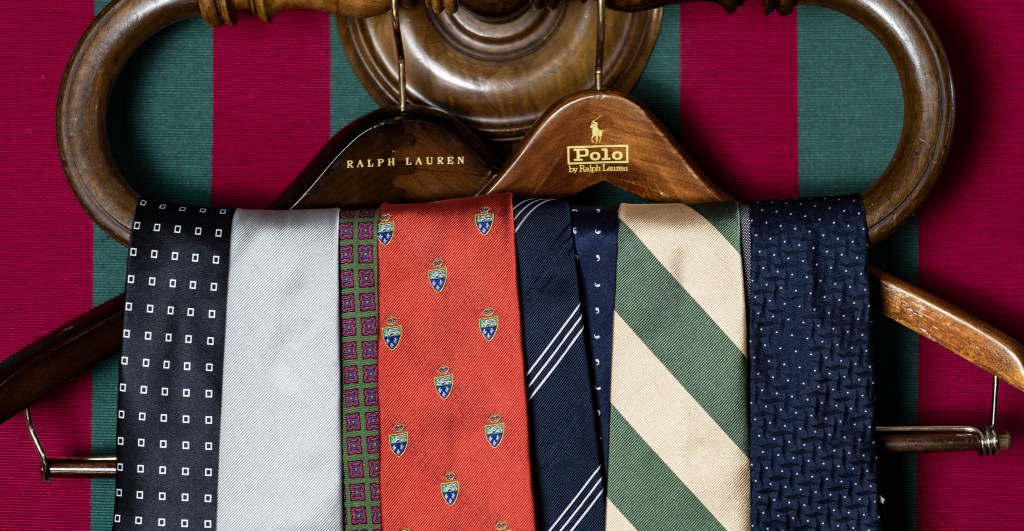
Today, countless designers attempt to replicate what Ralph pioneered, but he was so far ahead of his time that success almost felt inevitable.
After launching Ralph Lauren Corporation in 1967, he quickly expanded into full men’s and women’s collections. By 1971, he introduced the now-iconic polo player embroidered on tailored shirts – a logo as recognizable today as any in fashion history.
There are plenty of accounts that trace the journey from those early, hands-on days to the multibillion-dollar empire Ralph Lauren commands today.
Selling the American Dream
Lauren’s genius was clear: he took the world of prep school blazers, seersucker suits, and tweed jackets—and reimagined it with sharper cuts, richer colours, and a polish that even old-money sceptics couldn’t ignore.

Some early critics dismissed his clothes as “too perfect,” too refined for a culture that prized effortless nonchalance. True WASP style was supposed to be slightly unkempt – clothes inherited, rumpled, worn without thought. Ralph didn’t just ignore that rule; he rewrote it. As older generations faded, the new ones – aspirational and eager – embraced his polished take on their heritage.
He had pulled off the ultimate coup: taking their tradition, reimagining it, and then selling it back to them.
But Ralph’s real target audience wasn’t the old guard. It was everyone else – aspirational men and women yearning for a world of garden parties in the Hamptons, box seats at polo matches, and leisurely afternoons racing horses across private ranches.
His clothes didn’t just dress people; they transported them. A ticket to a life filled with country estates, vintage sports cars, and glamorous friends was sewn into every button and every seam.
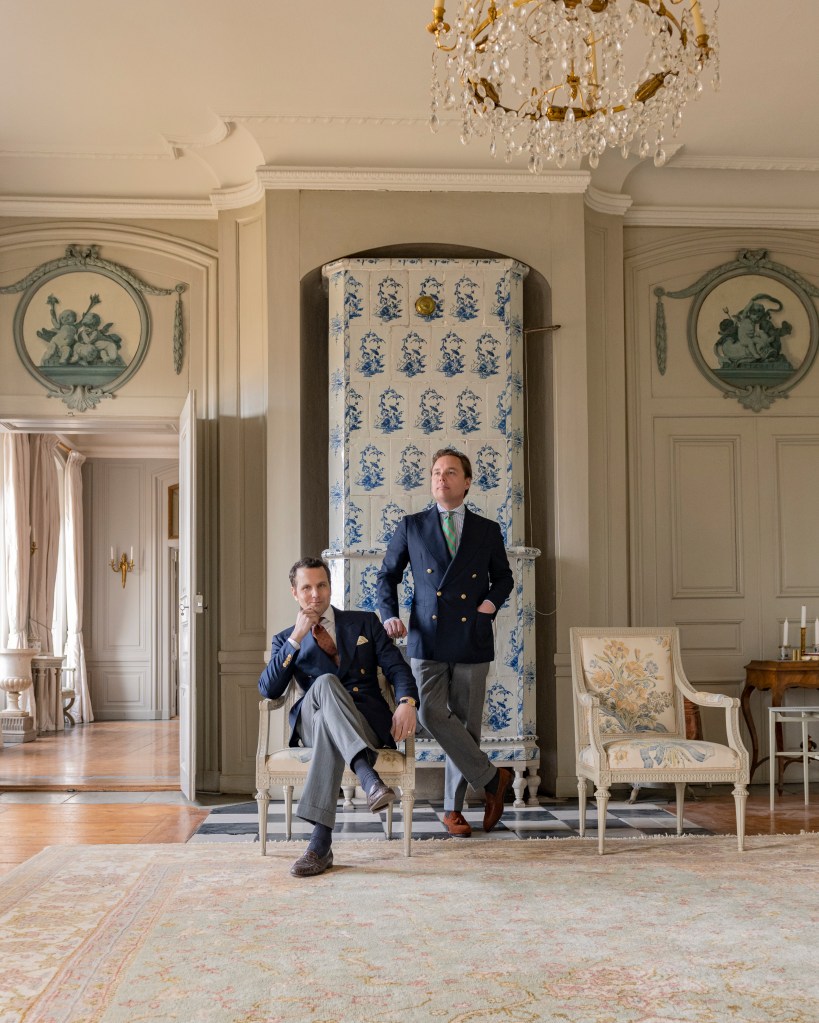
Unlike countless gaudy imitators, Lauren’s vision never slipped into parody. His designs weren’t hollow symbols of luxury; they were exquisite – expertly crafted with the finest materials, imbued with authenticity. He didn’t just sell clothes. He sold a lifestyle. Later, he would extend that vision into fragrances, home furnishings, restaurants – all tied together by a singular, romantic ideal of how life should look.
Beyond the polished prep aesthetic, Lauren also mined the richness of Americana itself. Through lines like RRL, Denim & Supply, and Polo Sport, he offered rugged denim, sportswear, and even Western and Native American-inspired collections.
Even as the brand diversified, it never lost its soul.
Purple Label offered the height of luxury tailoring; RRL captured the spirit of rugged, lived-in cool; Polo provided both relaxed weekend wear and classic business attire. Different lines, yes—but always unified by one vision: dressing aspirational individuals at every stage of their lives.
A vision not unlike Ralph Lauren himself: aspirational, relentless, timeless.
 Journal
Leave a comment