
Shoes – Part I – Oxfords
The perfect outfit can be undone by the wrong choice of footwear, but the right pair of shoes can elevate an ensemble to unprecedented heights. A well-dressed man’s wardrobe should include at least a few different shoe styles, ranging from formal to casual. We’ll begin at the top of the ladder by introducing the most essential shoes – those that work in a variety of settings and never look out of place, except in the most casual of environments: the Oxford.
What Signifies an Oxford?
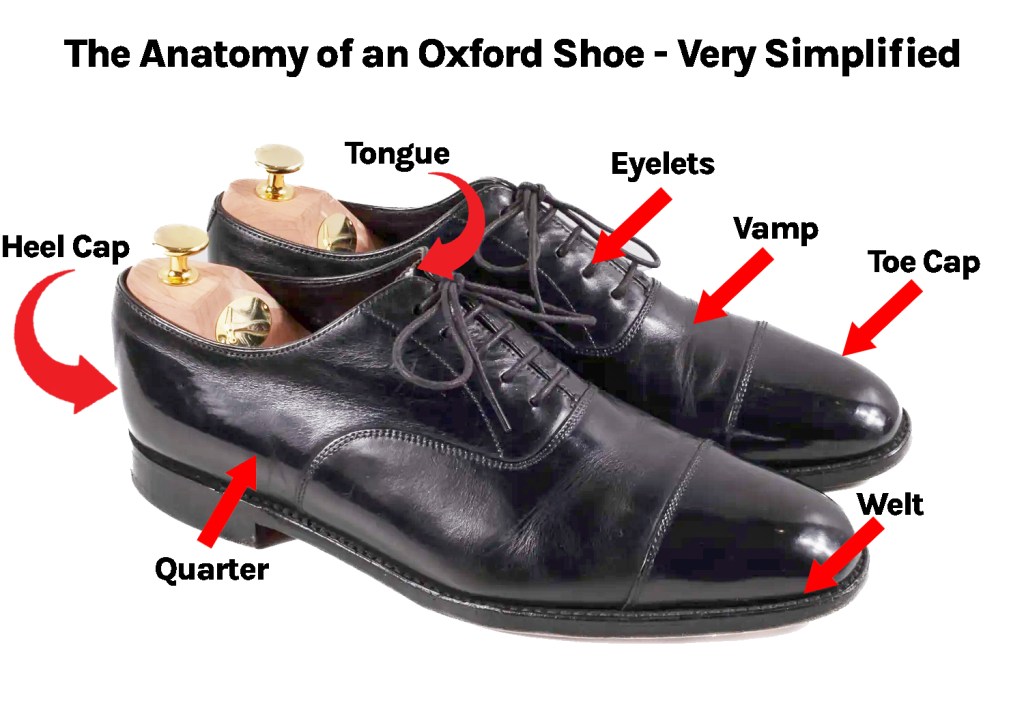
This is perhaps the most straightforward question. It all comes down to how the lacing is constructed. An Oxford shoe has its eyelets sewn directly onto the vamp, thereby closing over the tongue and creating a sleek, clean look.
To keep things clear, we’ve put together a simplified map of an Oxford shoe’s anatomy.
The Many Faces of an Oxford
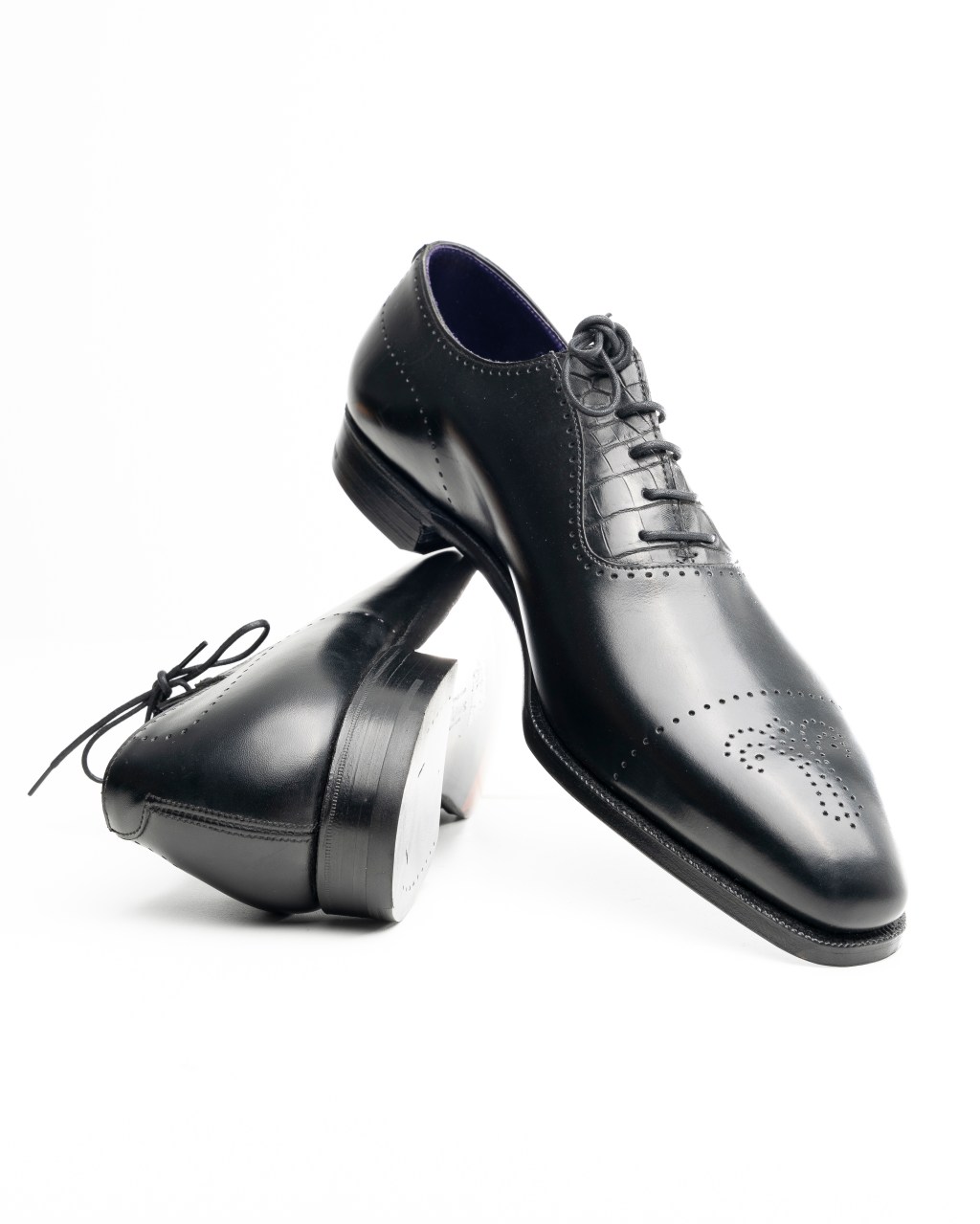
Now this is where things get interesting. To many men, the term “Oxford shoes” is most closely associated with the black, cap-toe leather version (like the one pictured above).
But there are countless alternatives suited to different dress codes. When it comes to design, the imagination sets the limits. Oxfords can be made from nearly any shoe material, feature brogue patterns, and come in a variety of toe shapes—almond, chiselled, round, etc. They even exist in boot form, though in that shape they’re called Balmoral boots.
Areas of usage
The black leather cap-toe Oxford is the most formal shoe in a man’s business wardrobe. It’s acceptable to wear highly polished leather Oxfords with evening dress, though they’re generally considered slightly less formal than patent leather shoes or opera pumps.
Black leather Oxfords pair excellently with any business suit, as well as with a navy blazer and grey trousers combination.
Of course, black leather Oxfords aren’t limited to the cap-toe style. There’s a wide range of models – wingtip brogues, Adelaides, wholecuts, and more. As long as the silhouette remains sleek, these styles are appropriate for most business settings.

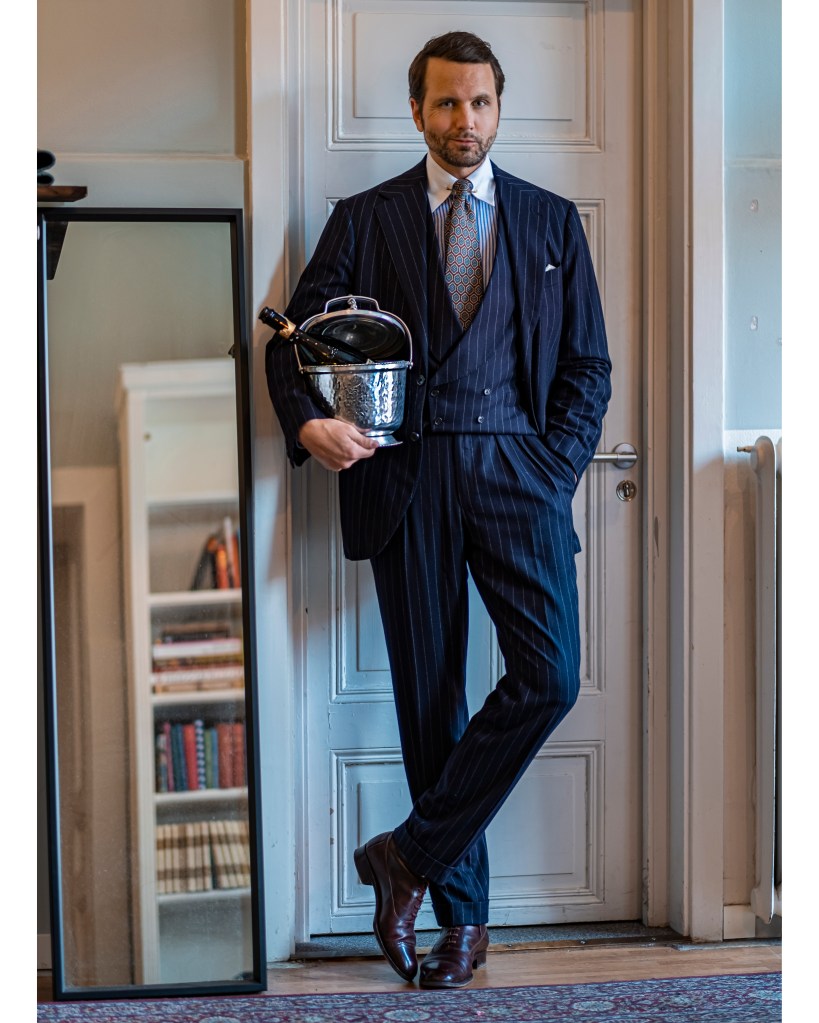
Step down one level in formality, and you find dark brown, oxblood, and burgundy Oxfords. These colours are still dark enough to complement most suits but might be slightly too informal for certain settings. That said, they make outfit colours pop in a way that black doesn’t.

You can continue down the formality scale by varying the leather colour. A general rule of thumb: the more texture, ornamentation, and embellishment a shoe has, the more casual it becomes. This makes such shoes versatile with materials like corduroy or moleskin – though not denim. At least, not until you get to the next variety: suede and nubuck.
Suede and nubuck expand your styling options even further. While the most traditional dressers may frown on pairing Oxfords with jeans, we say: go for it if it feels right.
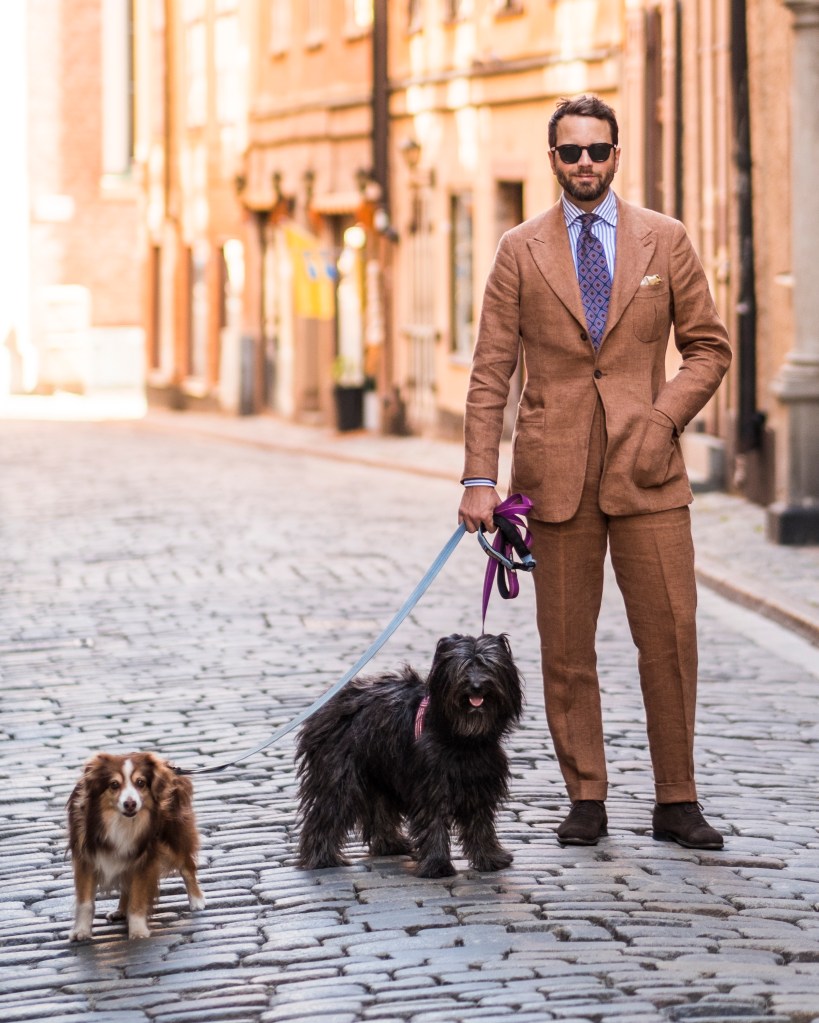
Just like leather Oxfords, colour and ornamentation in suede Oxfords push the shoes toward casual wear. It might seem logical that black suede ranks highest in suede formality, but it’s something of an oxymoron, placing it in a category of its own. Still, it pairs well with semi-casual monochrome outfits.
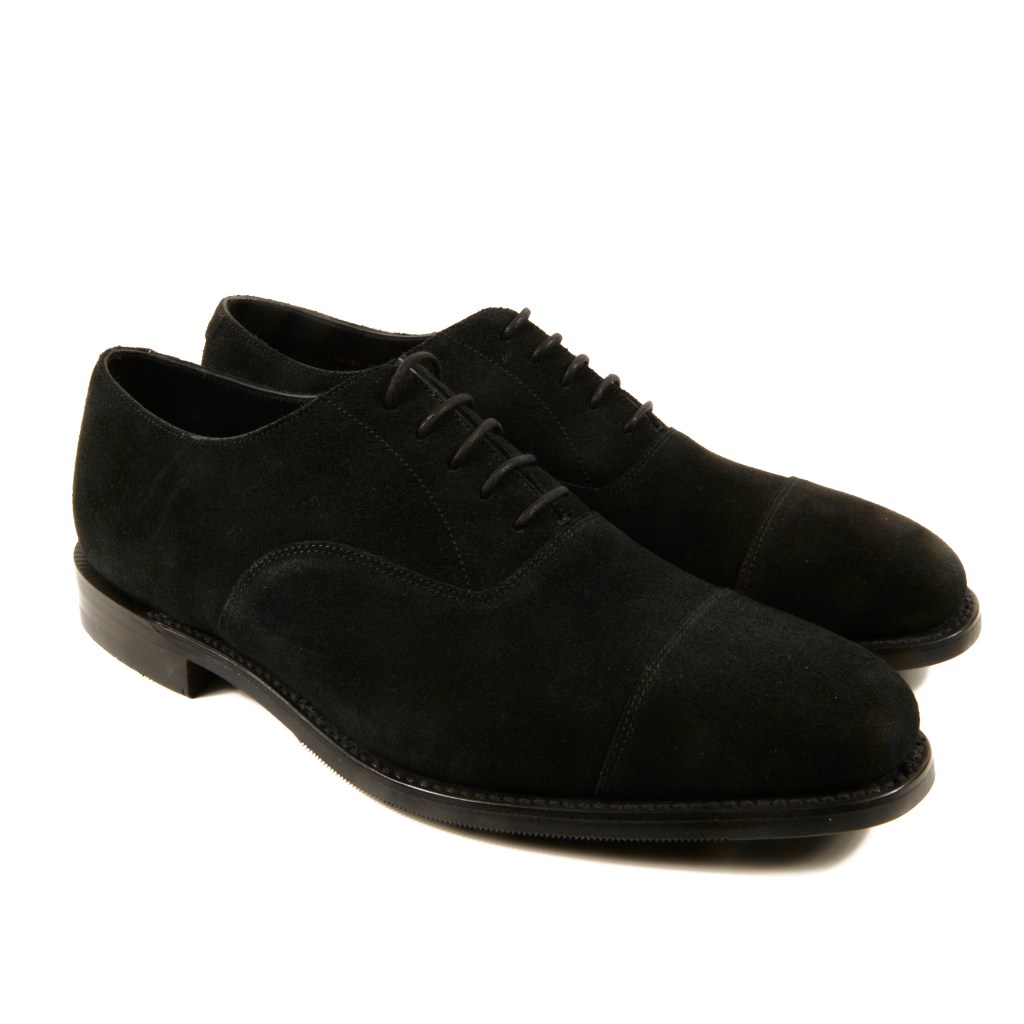
We’re also leaving out several other materials – cordovan, Chromexcel, etc. – which fall just below leather Oxfords in formality and are excellent for semi-casual settings. Other materials, such as canvas, take the Oxford into territory more closely related to sneakers than classic dress shoes.
We will go further into details of construction and discussions of quality levels in future articles, but hope that this short introduction to the Oxford will help you on your way towards a complete wardrobe.
 Journal
Leave a comment