

Deflecting Sun Light & Reflecting Personality
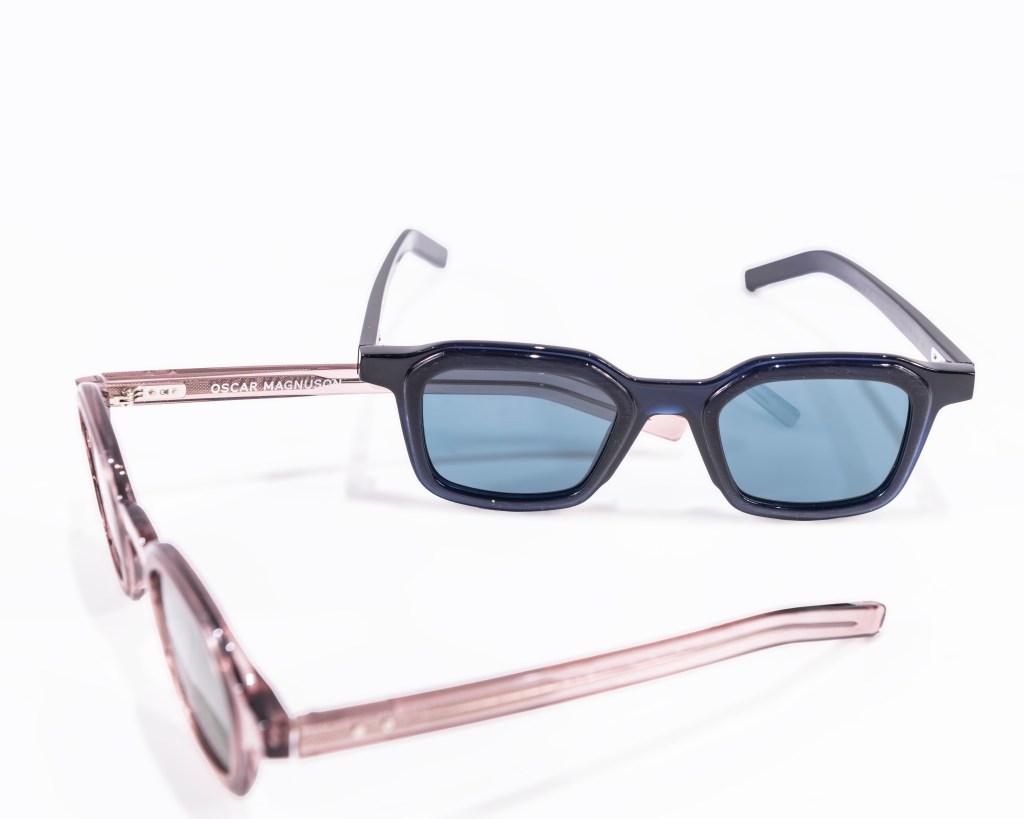
We touched upon this subject in our article on Vacation Wear, but since we will be dropping a selection of finely crafted sunglasses at Pete & Harry this Thursday, we thought it was as good a time as any to discuss this timeless accessory. The fact is, sunglasses might just be the most important accessory you will ever wear.
The How and When
Reducing this very prominent piece of eyewear to merely a tool to protect your eyes from UV rays would be a great mistake. As many men who wear spectacles daily can surely tell you—especially those with an interest in design—different shapes of glasses suit different facial structures. This is perhaps the most basic lesson you will want to learn.

The Round Face
The Oval Face

The Square Face
The Rectangular Face

The Triangular Face
The Materials
Sunglasses are one of the few accessories where processed materials are often preferable. While frames have been made from real horn, vintage tortoiseshell (illegal since the 1970s), and other natural materials, the highest quality and most low-maintenance option is acetate. This type of polymer plastic is made by processing the cellulose naturally found in trees and wood pulp.
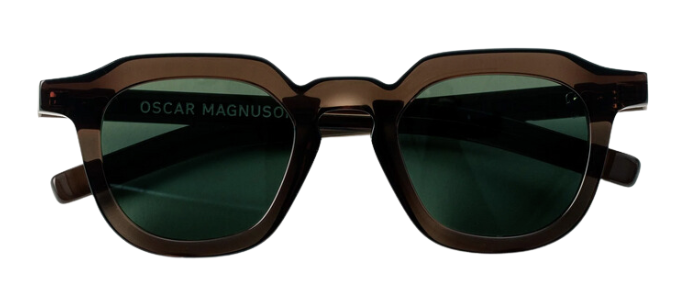
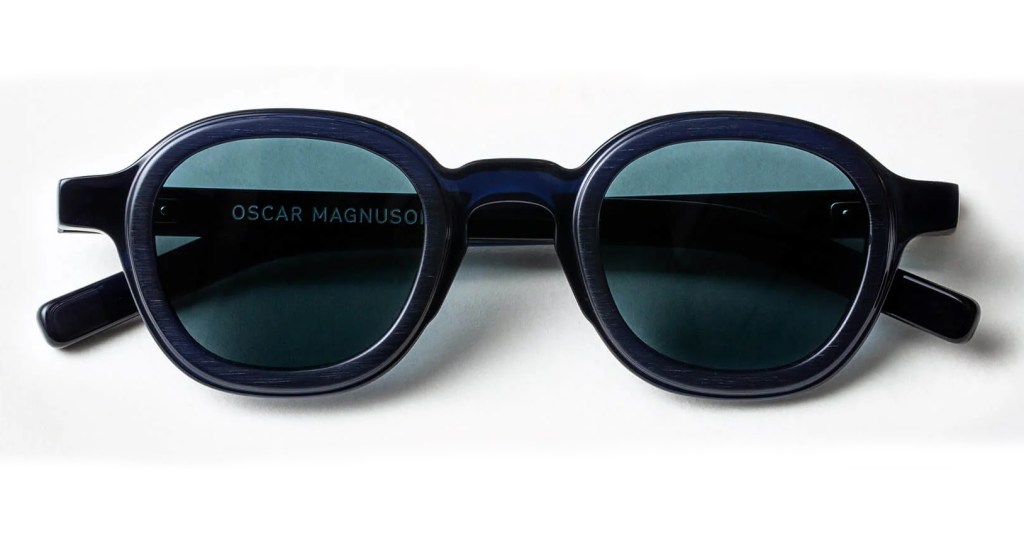
Quality makers, like those mentioned above, may also use specialized materials. For instance, Oscar Magnuson uses bio-acetate, which is derived from wood and cotton fibers.
The lenses in high-quality glasses are typically made from proper glass or polycarbonate—a lightweight, thin, and scratch-resistant material.
When it comes to metals used in temples, hinges, and certain frames, premium manufacturers opt for higher-grade materials than those found in cheap sunglasses. While steel is common, top-tier brands often use titanium for its durability and lightweight properties.

The Make
There is a great level of craftsmanship involved in making high-quality sunglasses. Two countries renowned for their production standards are Italy and Japan—both of which are also famous for their expertise in tailoring.
Frames are often handcrafted from blocks of acetate that are cut and finished to their preferred shape, followed by hand-polishing, or tumbling. This meticulous process is far superior to the form-pressed frames from cheaper manufacturers. It ensures that the different parts of the glasses fit together seamlessly, resulting in a more refined look and a more durable product (for example, hinges won’t loosen as easily).

The Colours – Frames
This is, of course, a subject of its own, but here are a few colors we particularly like. These shades pair well with various outfits and can complement different complexions beautifully:
Black is always a cool choice. It suits anyone and can be worn with styles ranging from punk rock to three-piece suits.

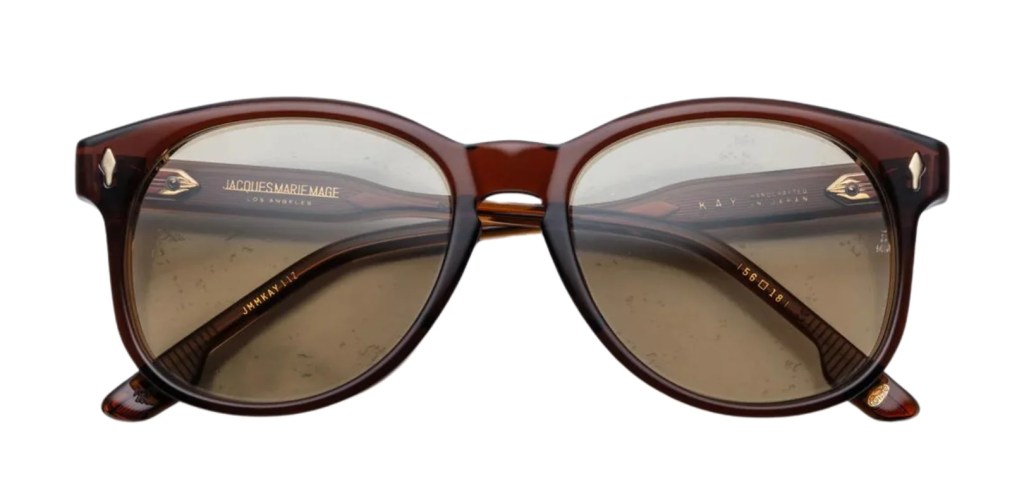
Tortoiseshell frames are no longer made from real tortoise shell but remain a classic. The brown melange pattern works well with all shapes of glasses. Want to look intellectual? Choose a round shape. Want to channel JFK? Well, none of us will be JFK, but we can certainly take some style tips.

Solid unicoloured frames are excellent for complementing your complexion. The same principles apply as when choosing clothing colours that suit your skin tone and hair colour.

Transparent frames have been around for a long time but have gained renewed popularity over the past decade. They come in a variety of colors, though we generally suggest opting for more subdued hues. Green, blue, pink, brown, gray—anything goes, as long as you keep it classy!

The Colours – Lenses
Just as frames come in various colours, so do lenses. The choice of lens hue influences both how you perceive the world and how the world perceives you.
A warmer yellow or brown hue will make the world around you look warmer.
A blue-coloured lens will make you look effortlessly cool while giving your surroundings a colder tint.
A myriad of other colours and tints exist, and the trend of tinted lenses—hugely popular in the 1970s—continues to make comebacks every so often.
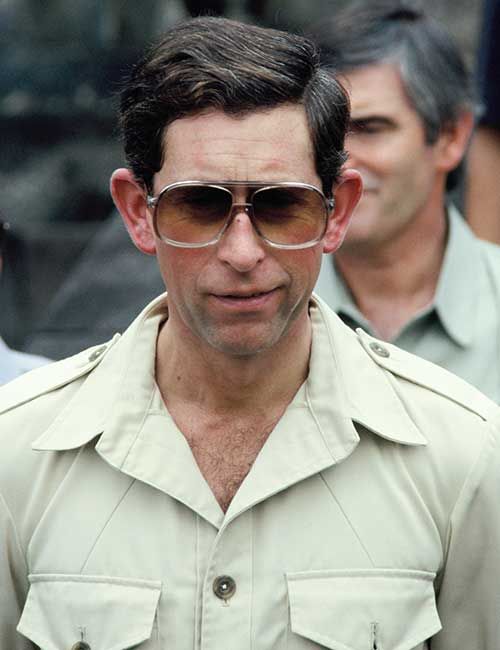
As is often the case when we delve into any given subject, this list could go on indefinitely—touching on attributes, iconic models, and legendary wearers. But we have to stop somewhere, so why not with this brilliant photo of our friend Simon Berg?

 Journal
Leave a comment